As winter sets in, pet owners face a recurring question: how to keep their dogs warm without compromising comfort or mobility. Two popular options—dog turtlenecks and dog hoodies—often appear side by side in online stores and pet boutiques. While both serve the purpose of insulation, they differ significantly in design, coverage, and thermal efficiency. Understanding these differences is essential for making an informed decision based on your dog’s breed, size, coat type, and climate exposure.
Understanding the Design Differences
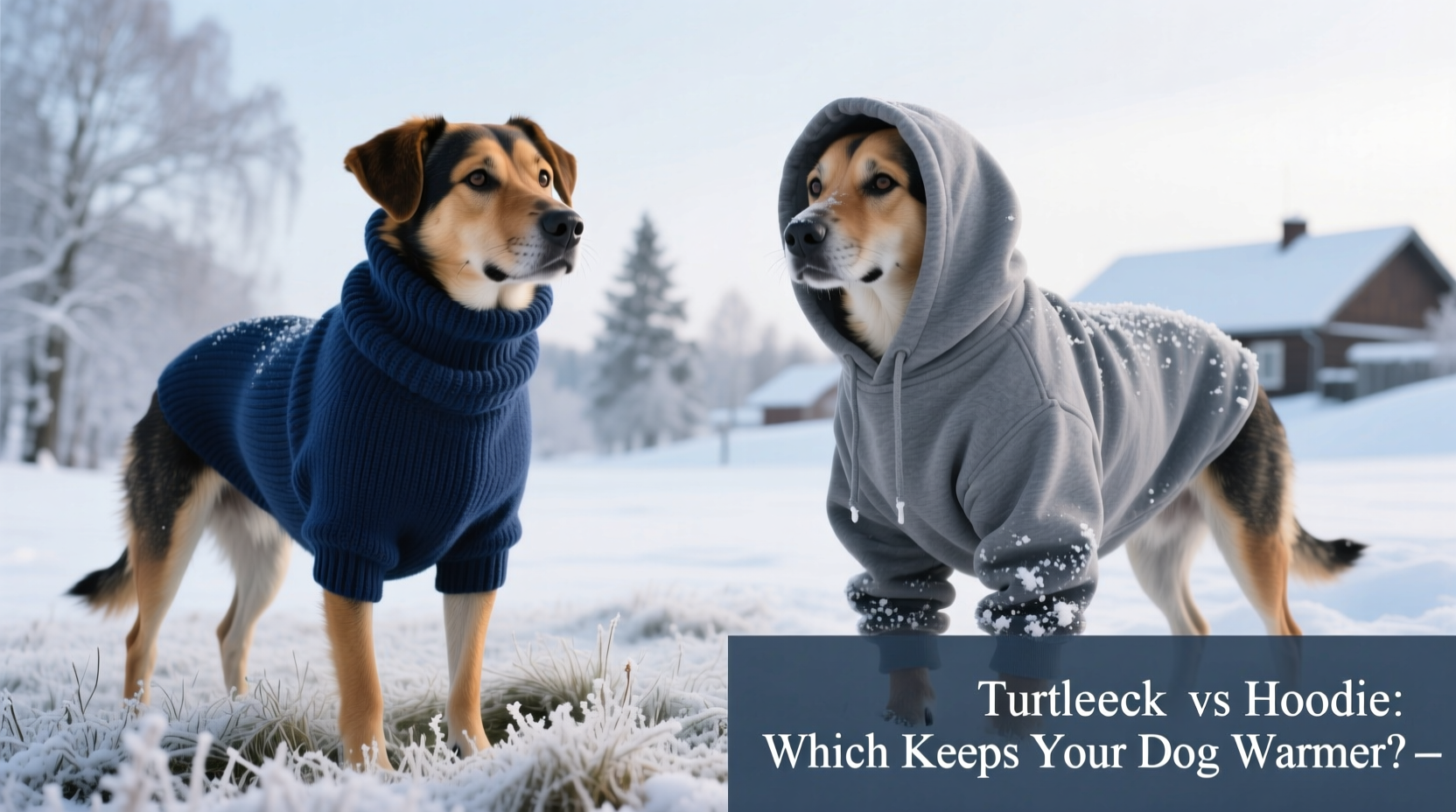
The fundamental distinction between a dog turtleneck and a hoodie lies in structure and coverage. A turtleneck is typically a close-fitting garment that extends up around the neck, resembling a human thermal base layer. It's often made from stretchy, insulating materials like fleece, merino wool blends, or thermal knits. Its primary function is to retain body heat by minimizing air gaps around the torso and neck.
In contrast, a dog hoodie includes a loose-fitting body with an attached hood that covers the head and sometimes the ears. Hoodies are generally bulkier and may feature zippers, drawstrings, and front pockets. While they offer more surface coverage, the looser fit can allow cold air to infiltrate, especially around the neck and underarms.
Tip: For maximum warmth, choose snug-fitting garments that don’t restrict movement but minimize airflow underneath.Material Matters: What Each Garment Is Made Of
Warmth isn’t just about coverage—it’s also about fabric. Most dog turtlenecks use high-loft synthetics or natural fibers engineered for moisture-wicking and thermal retention. Common materials include:
- Polar fleece: Lightweight, soft, and excellent at trapping heat even when damp.
- Merino wool blends: Naturally temperature-regulating and odor-resistant, ideal for sensitive skin.
- Thermal knits: Tight weaves that reduce convection and hold body heat close to the skin.
Dog hoodies, while often made from similar fabrics, tend to prioritize style over function. Many mass-market hoodies use thin cotton-polyester blends that offer minimal insulation. The hood itself is frequently lined with plush material, but unless it fits snugly, heat escapes rapidly through the opening.
“Base layers like turtlenecks are far more effective at maintaining core temperature than outerwear-style hoodies, especially in windy conditions.” — Dr. Lena Patel, Veterinary Dermatologist & Pet Apparel Consultant
Comparative Warmth: Turtleneck vs Hoodie
To determine which garment provides superior warmth, consider three key factors: coverage, fit, and environmental resistance.
| Feature | Dog Turtleneck | Dog Hoodie |
|---|---|---|
| Neck Coverage | High – wraps tightly around the neck, reducing heat loss | Low to Medium – hood may gap, allowing cold air entry |
| Fit | Slim, form-fitting – minimizes air circulation | Loose – prone to drafts and shifting during movement |
| Insulation Efficiency | High – functions as a thermal base layer | Moderate – depends heavily on material thickness |
| Wind Resistance | Good – tight knit reduces wind penetration | Fair – loose seams and hoods create weak points |
| Mobility Impact | Minimal – flexible materials allow full range of motion | Moderate – bulkiness can restrict shoulder movement |
Based on this analysis, turtlenecks consistently outperform hoodies in thermal retention. Their design aligns with principles used in human outdoor apparel: start with a warm base layer. Hoodies, while visually appealing, often act more like fashion statements than functional winter gear.
When a Hoodie Might Be the Better Choice
That said, there are specific scenarios where a hoodie makes sense—even if it’s not the warmest option. Dogs with short muzzles (like Pugs or French Bulldogs) may benefit from a hood that protects their ears and eyes from snow and wind. In light rain or drizzle, a water-resistant hoodie can double as a light shell, especially if layered over a turtleneck.
Hoodies also tend to be easier to put on for dogs resistant to clothing. The open front and forgiving fit reduce anxiety compared to the tighter pull-over style of many turtlenecks. For brief walks in mild cold (above 40°F / 4°C), a hoodie may provide adequate warmth with added comfort.
Tip: Layering is key. Combine a thermal turtleneck with a lightweight hoodie for optimal warmth and protection in freezing temperatures.Real-World Example: Winter Walks in Chicago
Consider Max, a 30-pound mixed-breed rescue living in Chicago, where winter temperatures regularly drop below 25°F (-4°C). His owner, Sarah, initially dressed him in a stylish blue hoodie with a fluffy interior. During early morning walks, Max would shiver despite the garment, tucking his head down and lifting his paws quickly off the snow.
After consulting her vet, Sarah switched to a merino-blend turtleneck designed for small-to-medium dogs. The difference was immediate. Max stood taller, moved freely, and showed no signs of discomfort even during 20-minute walks in 20°F (-6°C) weather. The turtleneck retained heat along his chest and back, areas critical for core temperature regulation.
For extra protection during snowstorms, Sarah now adds a windproof vest over the turtleneck—proving that strategic layering beats single-piece solutions every time.
Step-by-Step Guide to Choosing the Right Winter Wear
- Evaluate your dog’s coat type: Double-coated breeds (e.g., Huskies, Golden Retrievers) may need less insulation than short-haired dogs (e.g., Chihuahuas, Dachshunds).
- Assess your local climate: Wind chill and humidity affect perceived temperature more than the thermometer reading.
- Measure your dog accurately: Use a soft tape measure around the neck, chest, and length from base of neck to tail.
- Choose the right base layer: Start with a well-fitted turtleneck in cold climates.
- Add outer protection if needed: Use a hoodie or vest only as a secondary layer for wind or light rain.
- Monitor your dog’s behavior: Shivering, reluctance to walk, or tucked tails indicate insufficient warmth.
- Wash and maintain regularly: Dirty or compressed fabric loses insulating properties over time.
Common Myths About Dog Clothing and Warmth
- Myth: If it looks thick, it must be warm.
Reality: Bulk doesn’t equal insulation. Trapped air within the fabric matters more than thickness. - Myth: All dogs need clothes in winter.
Reality: Many healthy, well-coated dogs regulate temperature naturally. Clothing is most beneficial for puppies, seniors, or medically compromised pets. - Myth: A hood always means more warmth.
Reality: An ill-fitting hood creates drafts. Ears are less critical for heat retention than the torso and neck.
FAQ
Can I leave a turtleneck on my dog all day?
It’s safe to do so if the garment is breathable, non-restrictive, and monitored. Remove it during sleep or unsupervised periods to prevent overheating or chewing.
Are hoodies bad for dogs in cold weather?
Not inherently, but they’re less effective than turtlenecks for pure warmth. Use them in mild conditions or as outer layers over thermal base garments.
How do I know if my dog is too hot in a sweater?
Signs include excessive panting, restlessness, sweating (on paw pads), or seeking cool surfaces. Always provide breaks from clothing indoors.
Final Recommendation: Prioritize Function Over Fashion
While hoodies win in the style department, turtlenecks are the clear winner when it comes to keeping dogs genuinely warmer. Their snug fit, superior materials, and targeted coverage make them ideal for cold-weather protection. For pet owners in regions with harsh winters, investing in a high-quality thermal turtleneck—and reserving the hoodie for casual, mild-weather use—is the most practical approach.
Ultimately, the goal is your dog’s comfort and safety. By understanding the science behind insulation and observing how your pet responds to different garments, you can make choices that go beyond trends and deliver real results.
💬 Have you noticed a difference between turtlenecks and hoodies on your dog? Share your experience in the comments and help other pet owners make smarter winter choices!








