
Dog owners often notice small, fleshy growths on their pets and immediately worry—especially when they appear suddenly or in large numbers. One of the most common skin growths seen in dogs is the skin tag, medically known as a cutaneous papilloma or fibrovascular papilloma. While usually harmless, understanding their causes, identifying when they might be problematic, and knowing the right course of action can make all the difference in your dog’s comfort and long-term health.
Skin tags are soft, benign tumors that extend from the surface of the skin on a thin stalk. They’re typically flesh-colored or slightly darker and can appear anywhere on the body, though they’re frequently found on the chest, legs, underarms, and around the eyes or mouth. While not painful or dangerous in most cases, they can become irritated if located in high-friction areas like under collars or between legs.
What Causes Skin Tags in Dogs?
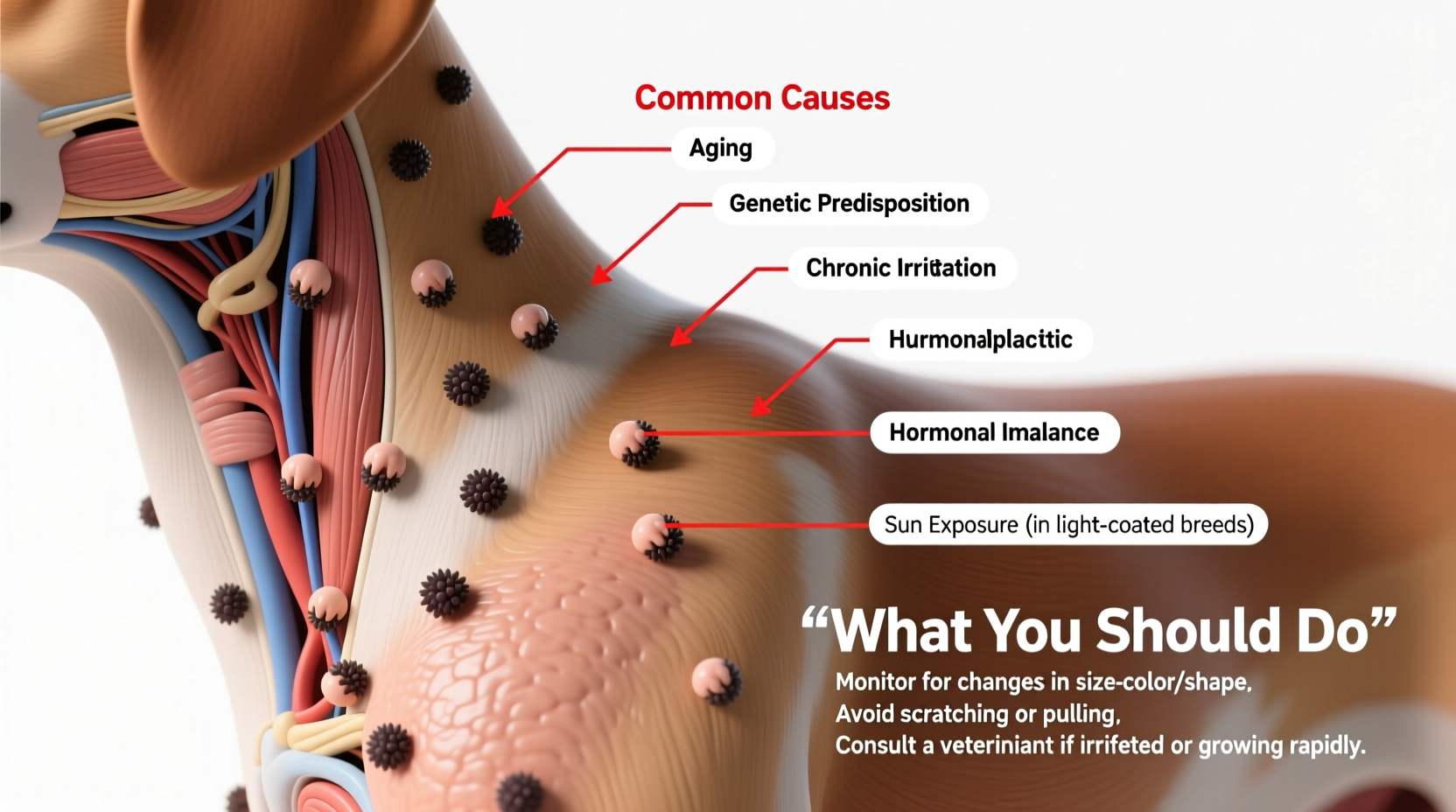
The exact cause of skin tags in dogs isn’t always clear, but several contributing factors have been identified through veterinary research and clinical observation. Unlike in humans, where obesity and friction are primary drivers, canine skin tags are influenced by a combination of genetic, environmental, and physiological elements.
- Genetics: Certain breeds are more predisposed to developing skin tags. Boxers, Cocker Spaniels, Basset Hounds, and Labrador Retrievers show higher incidence rates, suggesting a hereditary component.
- Aging: As dogs grow older, their skin undergoes changes similar to human aging. Collagen breakdown and reduced elasticity may encourage the development of benign growths.
- Skin Irritation: Chronic rubbing from collars, harnesses, or even grooming tools can lead to localized tissue overgrowth, forming skin tags over time.
- Obesity: Overweight dogs may develop more skin folds, increasing areas of friction where tags commonly form.
- Viral Infections: Canine papillomavirus (CPV) can cause wart-like growths, particularly in younger dogs. These are often mistaken for skin tags but differ in appearance and origin.
How to Tell If It’s a Skin Tag or Something More Serious
Not every bump on your dog’s skin is a harmless tag. Some growths can mimic skin tags but may actually be malignant tumors such as mast cell tumors, histiocytomas, or squamous cell carcinomas. Distinguishing between benign and concerning lesions is crucial.
Benign skin tags typically have these characteristics:
- Soft, movable texture
- Same color as surrounding skin or slightly pigmented
- Attached by a narrow stalk (pedunculated)
- No signs of bleeding, oozing, or ulceration
- Stable size over weeks or months
In contrast, potentially dangerous growths may exhibit:
- Rapid growth within days or weeks
- Firmness or attachment deep into the skin
- Irregular borders or surface crusting
- Pain when touched
- Bleeding or discharge
“Any new or changing skin mass in a dog should be evaluated by a veterinarian. A fine needle aspirate can quickly determine whether further action is needed.” — Dr. Laura Simmons, DVM, Veterinary Dermatology Specialist
When Should You See a Veterinarian?
While many skin tags require no treatment, there are specific situations where professional evaluation is essential. Waiting too long could mean missing an early warning sign of cancer or allowing a minor issue to escalate due to infection.
| Scenario | Action Required |
|---|---|
| New growth appears | Schedule a vet check to confirm diagnosis |
| Growth changes in size, color, or texture | Seek immediate evaluation |
| Tag is located near eyes, mouth, or genitals | Monitor closely; consider removal if interfering with function |
| Tag becomes inflamed, red, or starts bleeding | Consult vet—possible irritation or infection |
| Dog shows discomfort or tries to bite/scratch the area | Remove or treat to prevent self-trauma |
Real-Life Example: Bella the Beagle
Bella, a 9-year-old Beagle, developed a small skin tag behind her front leg. Her owner initially dismissed it, but after two months, the tag doubled in size and began bleeding when she scratched. A visit to the vet revealed it was not a simple skin tag but a low-grade mast cell tumor. Thanks to early surgical removal, Bella made a full recovery. This case underscores why monitoring and timely vet visits matter—even seemingly minor growths deserve attention.
Safe Management and Treatment Options
If your vet confirms the growth is a benign skin tag, treatment may not be necessary unless it causes discomfort. However, if removal is recommended, several safe methods are available.
Common Removal Techniques
- Surgical Excision: The most reliable method, especially for larger or problematic tags. Performed under local or general anesthesia, it allows for complete removal and biopsy.
- Cryosurgery: Freezing the tag with liquid nitrogen. Effective for smaller growths and minimally invasive.
- Ligation: Tying off the base of the tag with suture material to cut off blood supply, causing it to fall off in days. Must be done by a vet to avoid infection.
- Laser Removal: Precise and clean, ideal for facial or sensitive-area tags.
Post-Removal Care
After removal, keep the site clean and dry. Prevent your dog from licking or scratching using an Elizabethan collar if needed. Follow your vet’s instructions for wound care and watch for signs of infection such as swelling, pus, or increased redness.
Prevention and Ongoing Skin Health
While you can't completely prevent skin tags, especially in genetically prone dogs, you can minimize risk factors and maintain overall skin integrity.
Preventive Checklist
- Use soft, well-fitted collars and harnesses to reduce friction
- Maintain a healthy weight through diet and exercise
- Brush regularly to improve circulation and detect issues early
- Wipe paws and belly after walks to remove allergens and irritants
- Schedule annual vet checkups, including dermatological exams
- Feed a balanced diet rich in omega-3 fatty acids for skin support
Additionally, avoid exposing your dog to secondhand smoke or harsh chemicals, which may contribute to abnormal cell growth. Indoor air quality and grooming product choices play subtle but meaningful roles in skin health.
Frequently Asked Questions
Can skin tags in dogs turn into cancer?
No, true skin tags are benign and do not become malignant. However, some cancerous growths resemble skin tags, so any suspicious change warrants a vet visit to rule out malignancy.
Are skin tags contagious to other dogs or humans?
Typical fibrovascular skin tags are not contagious. However, viral warts caused by canine papillomavirus can spread between dogs through direct contact. These look different—often cauliflower-like—and usually appear in clusters.
My dog has multiple skin tags. Should I be worried?
Multiple tags are common in older dogs and certain breeds. As long as they remain stable and don’t bother your pet, they’re generally not a concern. Still, periodic vet checks ensure nothing changes beneath the surface.
Take Action for Your Dog’s Skin Health
Your dog relies on you to notice the subtle changes that could signal bigger problems. Skin tags may seem trivial, but they’re part of a broader picture of wellness. By staying informed, conducting regular touch-and-look inspections, and partnering with your veterinarian, you’re giving your pet the best chance at a long, comfortable life.
Don’t wait for a growth to become problematic before acting. Schedule a skin check during your next vet visit—even if everything looks normal. Prevention, vigilance, and prompt care are the cornerstones of responsible pet ownership.
💬 Have you noticed skin tags on your dog? Share your experience or questions in the comments below—your story might help another pet owner feel more confident about their pet’s care.








