
Finding blood in your dog’s stool is alarming—there’s no way around it. As a pet owner, seeing bright red streaks or dark, tarry feces can trigger immediate concern. While some causes are mild and resolve quickly, others may indicate serious underlying conditions. Understanding what might be causing the bleeding, how to interpret the symptoms, and knowing the right steps to take can make all the difference in your dog’s recovery.
Blood in a dog’s feces—medically referred to as hematochezia (bright red blood) or melena (dark, digested blood)—can stem from a range of issues, from dietary indiscretions to life-threatening diseases. This article breaks down the most common causes, explains how veterinarians diagnose the issue, and provides clear guidance on what you should do if your dog is pooping blood.
Common Causes of Blood in Dog Stool
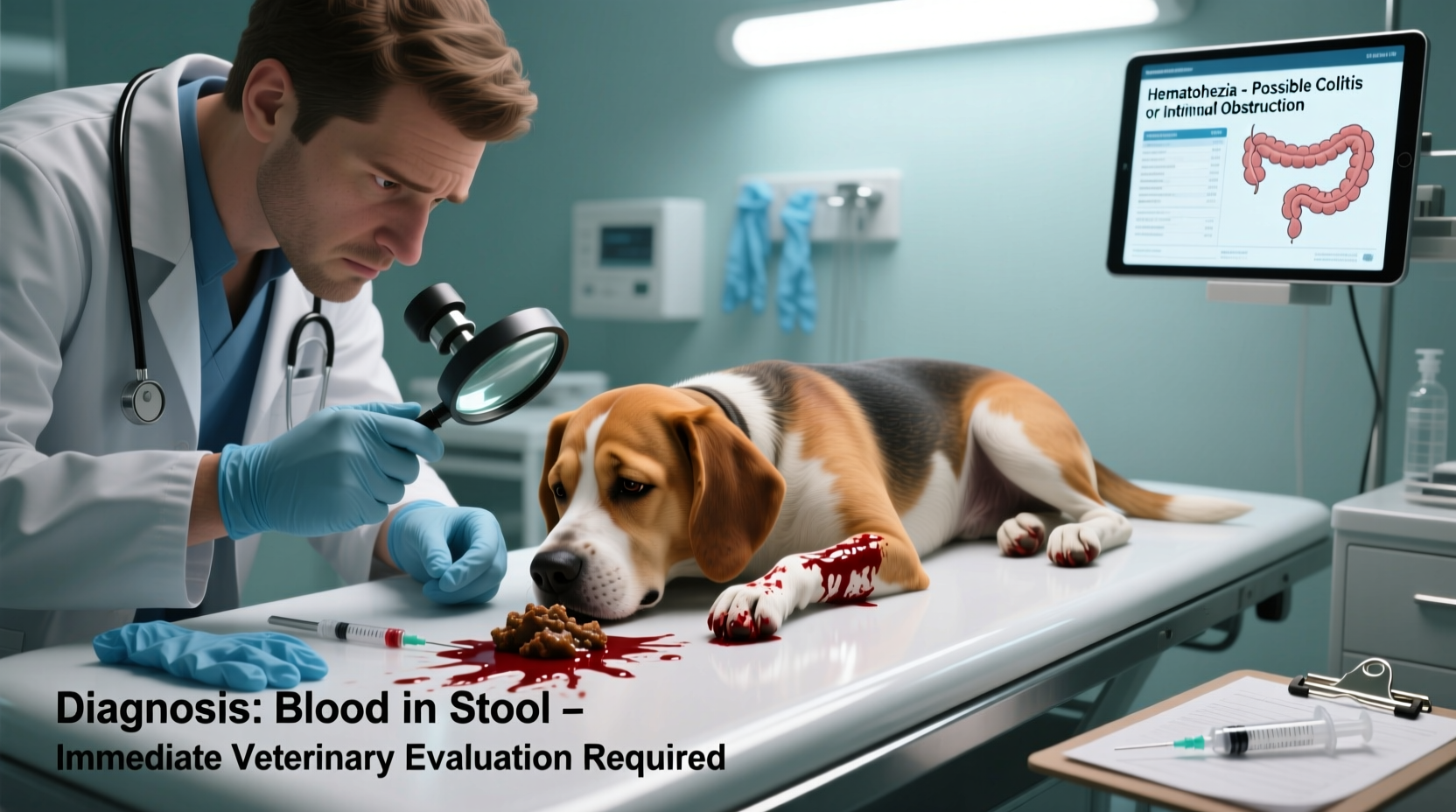
Blood in your dog’s poop doesn’t always point to one specific illness. The location and appearance of the blood often hint at where the problem lies in the digestive tract. Below are the most frequent causes grouped by origin:
- Colitis: Inflammation of the colon is a leading cause of fresh blood in stool. It can result from stress, sudden diet changes, parasites, or infections.
- Parasites: Whipworms, hookworms, and coccidia irritate the intestinal lining, leading to bloody diarrhea.
- Dietary Indiscretion: Eating spoiled food, garbage, or non-food items can cause gastrointestinal irritation and bleeding.
- Bacterial Infections: Pathogens like *Salmonella*, *E. coli*, or *Campylobacter* can lead to hemorrhagic gastroenteritis (HGE), a severe condition marked by profuse bloody diarrhea.
- Intestinal Obstructions: Foreign bodies such as toys, bones, or fabric can tear the intestinal wall, causing internal bleeding.
- Hemorrhagic Gastroenteritis (HGE): A sudden, intense condition primarily seen in small breeds, characterized by vomiting and large volumes of bloody diarrhea.
- Anal Gland Issues: Infected or ruptured anal glands may produce blood that coats the stool.
- Cancer: Tumors in the colon or rectum, especially in older dogs, can bleed during defecation.
- Coagulation Disorders: Conditions affecting blood clotting, such as rodenticide poisoning or immune-mediated thrombocytopenia, may manifest as gastrointestinal bleeding.
How Veterinarians Diagnose the Cause
When you bring your dog to the vet with bloody stool, the diagnostic process begins with a thorough history and physical exam. Your veterinarian will ask about recent diet changes, exposure to toxins, travel, vaccination status, and any other symptoms like vomiting, lethargy, or appetite loss.
Diagnostic tools commonly used include:
- Fecal Examination: To detect parasites or bacterial overgrowth.
- Complete Blood Count (CBC) and Chemistry Panel: Assesses organ function, hydration, and signs of infection or anemia.
- Abdominal X-rays or Ultrasound: Helps identify obstructions, tumors, or structural abnormalities.
- PCR Testing: Identifies specific pathogens like *Clostridium perfringens* or parvovirus.
- Endoscopy or Biopsy: Used in chronic cases to examine intestinal tissue directly.
“Early diagnostics are critical. In cases like HGE or parvovirus, delaying treatment by even 12 hours can drastically reduce survival rates.” — Dr. Laura Simmons, DVM, Small Animal Internal Medicine Specialist
What You Should Do: Immediate Action Steps
If your dog passes bloody stool, your response should depend on severity and accompanying symptoms. Follow this step-by-step guide:
- Stay Calm and Observe: Note the amount, color, and frequency of blood. Check for straining, pain, or changes in behavior.
- Withhold Food Temporarily: For mild cases, withhold food for 12–24 hours (water should still be available) to rest the gut. Do not fast puppies, seniors, or small breeds without vet approval.
- Review Recent Changes: Think about new foods, treats, table scraps, or access to garbage.
- Contact Your Veterinarian Immediately if your dog shows:
- Vomiting (especially repeated episodes)
- Lethargy or weakness
- Pale gums
- Abdominal pain or bloating
- Blood in multiple bowel movements
- Collect a Fresh Stool Sample: Bring it to the vet for testing. If possible, note whether the blood is mixed in or just on the surface.
- Follow Veterinary Instructions: Whether it’s fluid therapy, antibiotics, or hospitalization, prompt compliance improves outcomes.
Do’s and Don’ts When Your Dog Has Bloody Stool
| Do’s | Don’ts |
|---|---|
| Monitor your dog closely for worsening symptoms | Ignore persistent or increasing bleeding |
| Provide fresh water at all times | Give over-the-counter medications like Pepto-Bismol without vet approval |
| Feed a bland diet (boiled chicken and rice) after fasting, if advised | Feed rich, fatty, or spicy human food |
| Keep your dog calm and rested | Allow excessive exercise or stress |
| Follow up with your vet as recommended | Assume the issue has resolved without professional confirmation |
Real-World Example: Max the Beagle
Max, a 3-year-old beagle, developed sudden bloody diarrhea one evening after rummaging through the trash. His owner noticed bright red blood coating soft stools, two episodes within three hours. Max was alert but refused his dinner. The owner withheld food, provided water, and called the vet first thing in the morning.
The vet performed a fecal test, which revealed *Giardia*, a common parasite. Max was prescribed metronidazole and a probiotic. Within 48 hours, his stool normalized. A follow-up test confirmed clearance of the infection. This case highlights how a seemingly scary symptom can have a treatable cause—but only with timely veterinary care.
Prevention Checklist
While not all causes of bloody stool can be prevented, many common triggers can be minimized. Use this checklist to protect your dog:
- ✅ Keep garbage and toxic substances securely out of reach
- ✅ Stick to a consistent, high-quality diet
- ✅ Avoid giving bones or chew toys that splinter
- ✅ Administer monthly parasite preventatives (including for heartworm and intestinal worms)
- ✅ Schedule annual wellness exams, including fecal testing
- ✅ Minimize stress during travel or routine changes
- ✅ Vaccinate against parvovirus and other preventable diseases
Frequently Asked Questions
Is a little blood in my dog’s stool an emergency?
Not always, but it should never be ignored. One episode with no other symptoms may resolve on its own, especially after dietary indiscretion. However, repeat bleeding, lethargy, vomiting, or pale gums require urgent veterinary attention.
Can food allergies cause bloody stool?
Yes. Chronic food sensitivities can lead to inflammatory bowel disease (IBD), which may present with intermittent bloody diarrhea. An elimination diet under veterinary supervision can help diagnose and manage this condition.
My dog is straining and passing jelly-like mucus with blood. What does that mean?
This is often a sign of colitis—colon inflammation. Stress, infections, or parasites are common culprits. While not always severe, it warrants a vet visit to rule out serious causes and begin appropriate treatment.
Conclusion: Act Fast, Stay Informed
Blood in your dog’s stool is a symptom, not a diagnosis—and it demands attention. While some causes are easily managed, others progress rapidly without intervention. Recognizing the warning signs, knowing when to act, and partnering with your veterinarian are essential steps in safeguarding your dog’s health.
Don’t wait for symptoms to worsen. Early action saves lives, reduces treatment costs, and minimizes your pet’s discomfort. If you’ve noticed blood in your dog’s poop, use this guide to assess the situation and take informed steps toward recovery.
💬 Has your dog experienced bloody stool? Share your experience or questions below—your story could help another pet owner in need.








