
Noticing blood in your dog’s urine is alarming—there’s no denying it. Hematuria, the medical term for blood in urine, can range from a minor irritation to a sign of a serious underlying condition. While occasional discoloration might not always signal an emergency, persistent or severe symptoms require immediate attention. Understanding the potential causes, recognizing warning signs, and knowing how to respond can make all the difference in your dog’s health outcome.
Common Causes of Blood in Dog Urine
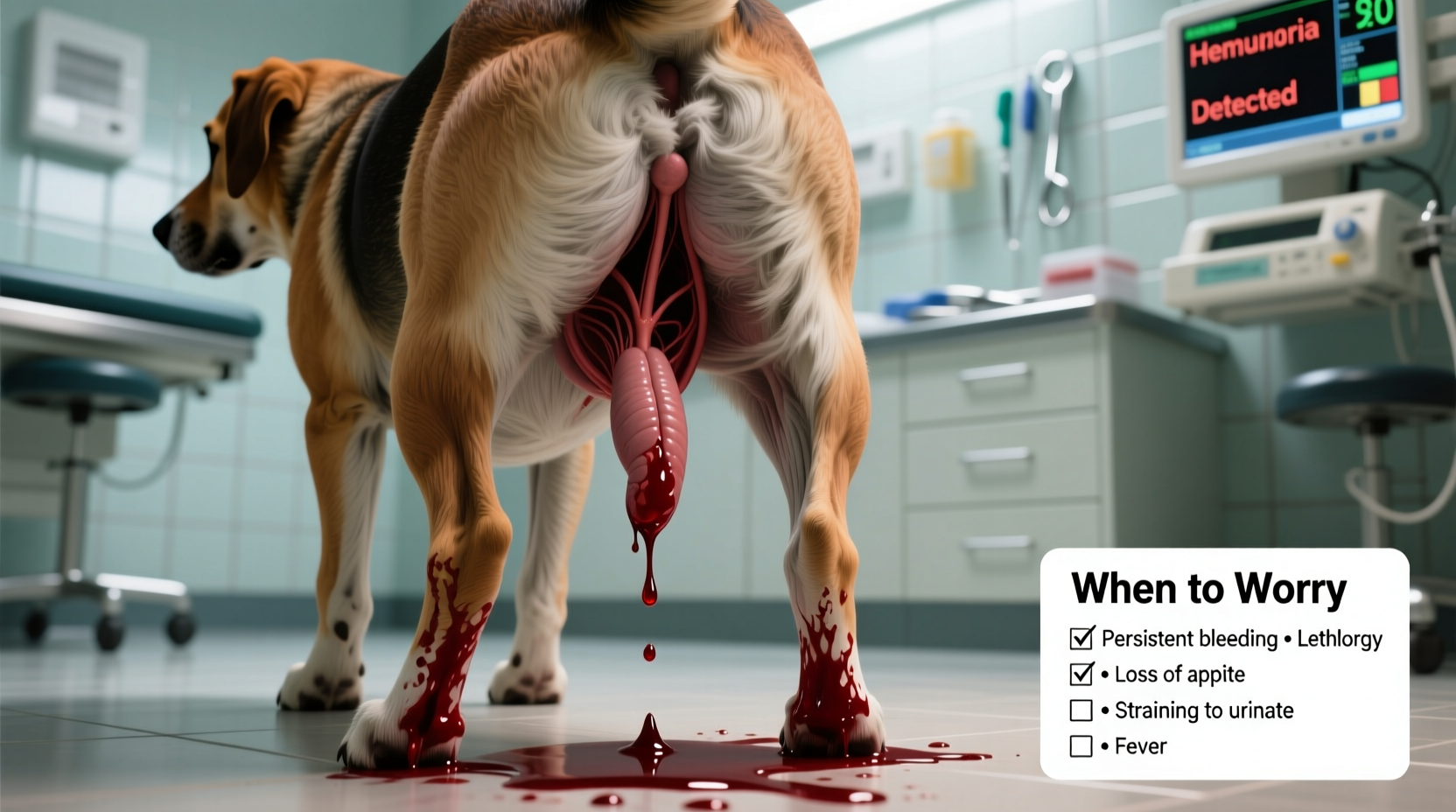
Blood in a dog’s urine isn’t a disease itself but a symptom of an underlying issue. Several conditions can lead to hematuria, some more urgent than others.
- Urinary Tract Infections (UTIs): One of the most frequent causes, especially in female dogs. Bacteria invade the bladder or urethra, causing inflammation and bleeding.
- Bladder or Kidney Stones: Mineral deposits can form stones that irritate the urinary tract lining, leading to bleeding and painful urination.
- Prostate Issues (in males): Enlarged or infected prostates can cause blood to appear in the urine or after ejaculation.
- Bladder Tumors or Cancer: Older dogs are at higher risk for transitional cell carcinoma, a type of bladder cancer that often presents with hematuria.
- Coagulation Disorders: Conditions like von Willebrand’s disease impair blood clotting and may result in bleeding anywhere, including the urinary tract.
- Trauma: Injury to the abdomen or pelvic region can damage the bladder or urethra.
- Medications or Toxins: Certain drugs (e.g., cyclophosphamide) or ingestion of toxic substances like rat poison can cause hemorrhagic cystitis.
When to Worry: Red Flags That Demand Immediate Action
Not every instance of bloody urine requires a late-night ER visit, but certain symptoms should never be ignored. Delaying care can turn a treatable infection into a life-threatening condition.
“Hematuria combined with straining, lethargy, or inability to urinate is a veterinary emergency. I’ve seen dogs deteriorate within hours due to urinary blockages.” — Dr. Rachel Nguyen, DVM, Small Animal Internal Medicine Specialist
Symptoms That Require Immediate Veterinary Care
- Straining to urinate with little or no output
- Frequent attempts to urinate without success
- Crying or whining during urination
- Abdominal pain or bloating
- Lethargy, vomiting, or loss of appetite
- Discolored gums (pale or yellow)
- Complete inability to pass urine—especially in male dogs
A complete urinary blockage is particularly dangerous in male dogs due to their narrower urethra. Without prompt treatment, it can lead to kidney failure, bladder rupture, or death within 24–48 hours.
What to Do If Your Dog Is Peeing Blood
Your response should depend on severity, but swift action is always recommended. Here’s a step-by-step approach:
- Stay Calm and Observe: Note the color of the urine (pink, red, brown), frequency of urination, and any behavioral changes.
- Check for Other Symptoms: Look for fever, discomfort, excessive licking of the genital area, or changes in water intake.
- Prevent Access to Toxins: Ensure your dog hasn’t ingested antifreeze, rodenticides, or human medications.
- Contact Your Veterinarian Immediately: Even if symptoms seem mild, schedule an appointment within 24 hours.
- Prepare for the Visit: Bring a urine sample if possible, along with notes on behavior, diet, and recent activities.
Diagnostic Process at the Vet
Veterinarians typically use a combination of tests to identify the root cause:
- Urinalysis (to check for infection, crystals, or cells)
- Blood work (assess kidney function and clotting ability)
- Ultrasound or X-rays (detect stones, tumors, or structural issues)
- Bacterial culture (if infection is suspected)
Do’s and Don’ts When Dealing with Hematuria
| Do’s | Don’ts |
|---|---|
| Monitor your dog’s urination habits closely | Ignore repeated episodes of bloody urine |
| Encourage water intake to flush the urinary tract | Delay veterinary care hoping it will resolve on its own |
| Keep your dog comfortable and stress-free | Give over-the-counter medications without vet approval |
| Follow prescribed treatment plans completely | Assume it’s just a UTI without proper testing |
Real-Life Example: Bella the Beagle
Bella, a 7-year-old female beagle, began urinating small amounts frequently and left pink-tinged spots in the yard. Her owner initially thought she had a simple UTI. Over two days, Bella became increasingly lethargic and started crying when trying to pee. Rushed to the emergency clinic, an ultrasound revealed large bladder stones obstructing her urethra. After surgical removal and antibiotics, Bella recovered fully—but only because her owner acted quickly. Had she waited another day, the outcome could have been fatal.
This case underscores the importance of not dismissing early signs. What appears mild can escalate rapidly.
Prevention and Long-Term Management
While not all causes of hematuria are preventable, you can reduce risks through proactive care:
- Regular Vet Checkups: Annual exams help catch issues early, especially in senior dogs.
- Diet Management: Specialized diets can prevent stone recurrence in predisposed breeds.
- Hydration: Always provide fresh water. Consider a pet fountain to encourage drinking.
- Avoid Toxins: Keep household chemicals and rodent poisons securely stored.
- Spay Female Dogs: Spaying reduces the risk of pyometra (uterine infection), which can mimic urinary symptoms.
Checklist: What to Monitor at Home
- Frequency and volume of urination
- Color and consistency of urine
- Pain or straining during urination
- Excessive genital licking
- Changes in energy level or appetite
- Drinking more or less than usual
Frequently Asked Questions
Can dehydration cause blood in my dog’s urine?
Dehydration alone doesn’t directly cause hematuria, but it concentrates the urine, which can worsen irritation from infections or stones. Chronic dehydration increases the risk of crystal formation and bladder issues.
Is it normal for older dogs to pee blood occasionally?
No. While older dogs are more prone to conditions like cancer or kidney disease, any sign of blood in urine is abnormal and warrants investigation. Age is not an excuse to delay diagnosis.
My dog is peeing blood but acting fine—should I still see a vet?
Yes. Dogs often mask pain until they’re severely ill. Even if your dog seems normal, blood in the urine indicates internal disruption that needs professional evaluation.
Conclusion: Act Fast, Stay Informed
Blood in your dog’s urine is a warning sign your pet cannot verbalize—but you can act on it. Whether it's a simple infection or something more complex, timely intervention improves outcomes dramatically. Never assume it will go away on its own. By understanding the causes, recognizing danger signs, and responding promptly, you protect not just your dog’s comfort but their very life.
💬 Has your dog experienced urinary issues? Share your story or questions below. Your experience could help another pet owner recognize the signs before it's too late.








