When a dog stops eating, it can be one of the most alarming signs for pet owners. Unlike humans, dogs typically maintain consistent eating habits, so a sudden loss of appetite often signals an underlying issue—ranging from mild stress to serious illness. While skipping a single meal isn't always cause for alarm, prolonged refusal to eat requires attention. Understanding the root causes and knowing how to respond can make all the difference in restoring your dog’s health and well-being.
Common Reasons Why Dogs Stop Eating
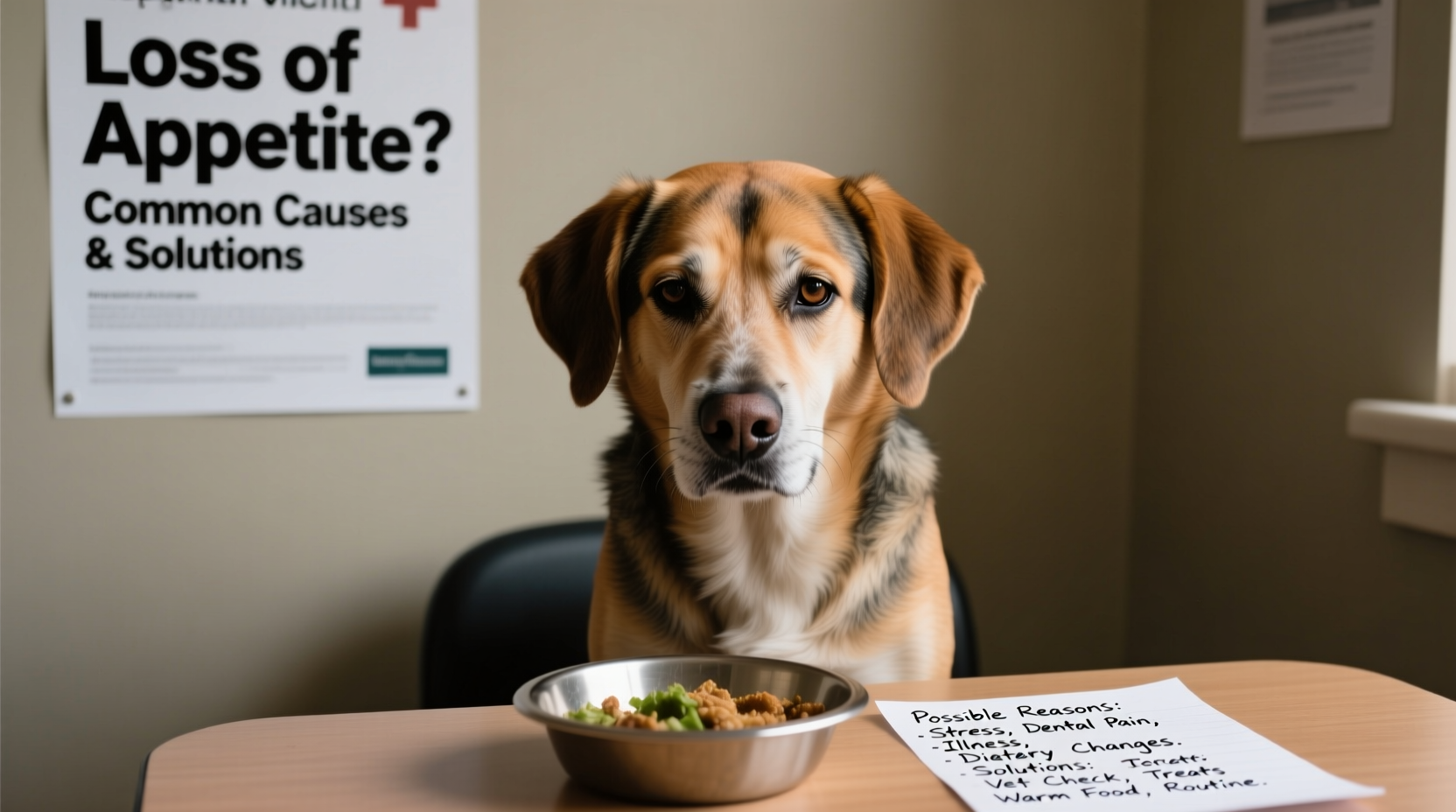
Dogs may refuse food for a variety of reasons, both physical and psychological. Identifying the cause is the first step toward effective intervention.
- Dental or oral pain: Broken teeth, gum disease, or mouth ulcers can make chewing painful.
- Gastrointestinal issues: Nausea, constipation, or intestinal blockages reduce appetite.
- Infections or systemic illness: Conditions like kidney disease, liver problems, or cancer often suppress hunger.
- Medication side effects: Some drugs alter taste or cause nausea as a side effect.
- Environmental changes: Moving homes, new pets, or loud noises can trigger stress-related fasting.
- Picky eating habits: Especially common in small breeds or dogs fed varied human foods.
- Aging: Older dogs often experience reduced sense of smell and slower digestion, affecting interest in food.
When to Seek Veterinary Help
Not every skipped meal demands an emergency vet visit, but certain red flags should never be ignored. The American Veterinary Medical Association (AVMA) emphasizes that prolonged anorexia—defined as not eating for more than 24 hours in adult dogs or 12 hours in puppies—warrants professional evaluation.
“Anorexia in dogs is not a diagnosis—it’s a symptom. Uncovering the underlying cause is critical to effective treatment.” — Dr. Laura Bennett, DVM, Internal Medicine Specialist
Seek immediate veterinary care if your dog exhibits any of the following:
- Vomiting or diarrhea lasting over 24 hours
- Lethargy or weakness
- Abdominal swelling or pain
- Excessive drooling or pawing at the mouth
- Weight loss over consecutive days
- Signs of pain when moving or being touched
Solutions to Regain Your Dog’s Appetite
Once serious medical conditions are ruled out or managed, several practical strategies can help stimulate your dog’s desire to eat. These approaches combine nutritional adjustments, environmental modifications, and behavioral encouragement.
1. Enhance Food Palatability
Warming your dog’s food slightly (to body temperature) releases aroma, which can entice picky or elderly dogs with diminished smell sensitivity. Adding low-sodium broth, plain cooked chicken, or a spoonful of canned pumpkin (not pie filling) can also increase appeal.
2. Establish a Consistent Feeding Routine
Dogs thrive on predictability. Feed meals at the same times each day in a quiet, distraction-free area. Avoid leaving food out all day (free-feeding), as this reduces hunger cues. Instead, offer meals for 20–30 minutes, then remove uneaten portions.
3. Reduce Stress Triggers
If anxiety is suspected, identify and minimize stressors. This might include separating nervous dogs from dominant pets during mealtimes, using calming pheromone diffusers, or creating a dedicated feeding zone away from household traffic.
4. Try a Short Fast (Under Supervision)
For otherwise healthy adult dogs, a 12- to 24-hour fast—followed by reintroduction of a bland diet—can reset the digestive system. Always consult your vet before fasting, especially for puppies, seniors, or medically compromised dogs.
Tip: A bland diet of boiled white rice and lean ground turkey (in a 2:1 ratio) is gentle on the stomach and often palatable.Step-by-Step Guide to Reviving Your Dog’s Appetite
- Assess overall behavior: Check for vomiting, diarrhea, lethargy, or pain.
- Contact your veterinarian: Rule out medical causes if fasting exceeds 24 hours.
- Switch to high-value foods: Offer strong-smelling options like grilled chicken, sardines (in water), or baby food (ensure no onion or garlic).
- Hand-feed small portions: Build positive associations with eating through gentle encouragement.
- Monitor response: Track food intake, energy levels, and bathroom habits daily.
- Gradually transition back: Once eating resumes, slowly return to regular food over 3–5 days.
Do’s and Don’ts When Your Dog Won’t Eat
| Do’s | Don’ts |
|---|---|
| Offer fresh water at all times | Force-feed aggressively |
| Warm food slightly to enhance smell | Give excessive treats or table scraps |
| Use puzzle feeders to stimulate interest | Ignore symptoms lasting over 48 hours |
| Keep a food diary (what, when, how much) | Introduce multiple new foods at once |
| Follow vet-prescribed diets strictly | Administer human medications without approval |
Real-Life Example: Bella the Beagle
Bella, a 7-year-old beagle, stopped eating after her family returned from a two-week vacation, leaving her with a pet sitter. Though physically healthy, she became withdrawn and ignored her kibble. Her owner consulted a vet, who ruled out illness and suggested environmental stress as the culprit. Following a plan that included hand-feeding warm chicken-and-rice meals, using a food puzzle toy, and reintroducing her regular diet gradually, Bella resumed normal eating within five days. The case highlights how emotional disruption—even temporary—can manifest as appetite loss.
Frequently Asked Questions
Why is my dog eating treats but not meals?
This often indicates that the dog feels unwell but still responds to high-value flavors. It could signal gastrointestinal discomfort, dental pain, or food aversion. While encouraging that they’ll eat something, this behavior warrants monitoring and possible veterinary consultation if it persists beyond a day or two.
Can changing dog food cause loss of appetite?
Yes. Sudden dietary changes can lead to refusal or digestive upset. Always transition over 7–10 days by mixing increasing amounts of new food with the old. Abrupt switches may cause nausea or rejection due to unfamiliar smell and texture.
How long can a dog go without eating?
Healthy adult dogs can survive up to five days without food—but not without risk. After 48 hours without eating, energy levels drop, muscle wasting begins, and liver function may be compromised. Never allow a puppy, senior, or chronically ill dog to go more than 12–24 hours without nutrition.
Final Checklist: Action Steps for Immediate Use
- Check for signs of illness (vomiting, diarrhea, lethargy).
- Contact your veterinarian if fasting lasts over 24 hours.
- Try warming the food or adding low-sodium broth.
- Feed in a quiet, familiar space without competition.
- Introduce high-palatability options like boiled chicken or canned food.
- Keep a log of food intake and symptoms.
- Reintroduce regular diet gradually once appetite returns.
Conclusion: Take Action with Confidence
A dog not eating is a signal—not just a problem. Whether the cause is medical, emotional, or dietary, timely and informed action can restore health and prevent complications. By combining veterinary guidance with thoughtful feeding practices, most dogs regain their appetite within days. Don’t wait for symptoms to worsen. Observe closely, act early, and trust your instincts as a caregiver. Your proactive response today could make all the difference in your dog’s recovery tomorrow.
💬 Have you helped your dog regain their appetite? Share your experience or questions below—your story might help another pet owner in need.








