The idea that a dog’s mouth is cleaner than a human’s is one of the most persistent myths in pet care. You’ve probably heard someone say, “Don’t worry, a dog’s mouth is cleaner than a human’s,” after their pet licked a wound or shared a spoon. But is there any scientific truth to this claim? The answer isn’t as simple as yes or no—it depends on how you define “clean.” When we compare the microbial ecosystems, disease transmission risks, and oral hygiene practices between species, a more nuanced picture emerges.
Dogs and humans both host hundreds of bacterial species in their mouths. While some overlap exists, the vast majority are species-specific, meaning they don’t transfer easily—or cause illness—across species lines. However, that doesn’t mean all licks are harmless. Understanding the real differences can help pet owners make informed decisions about hygiene, affection, and safety.
Bacterial Composition: A Scientific Comparison
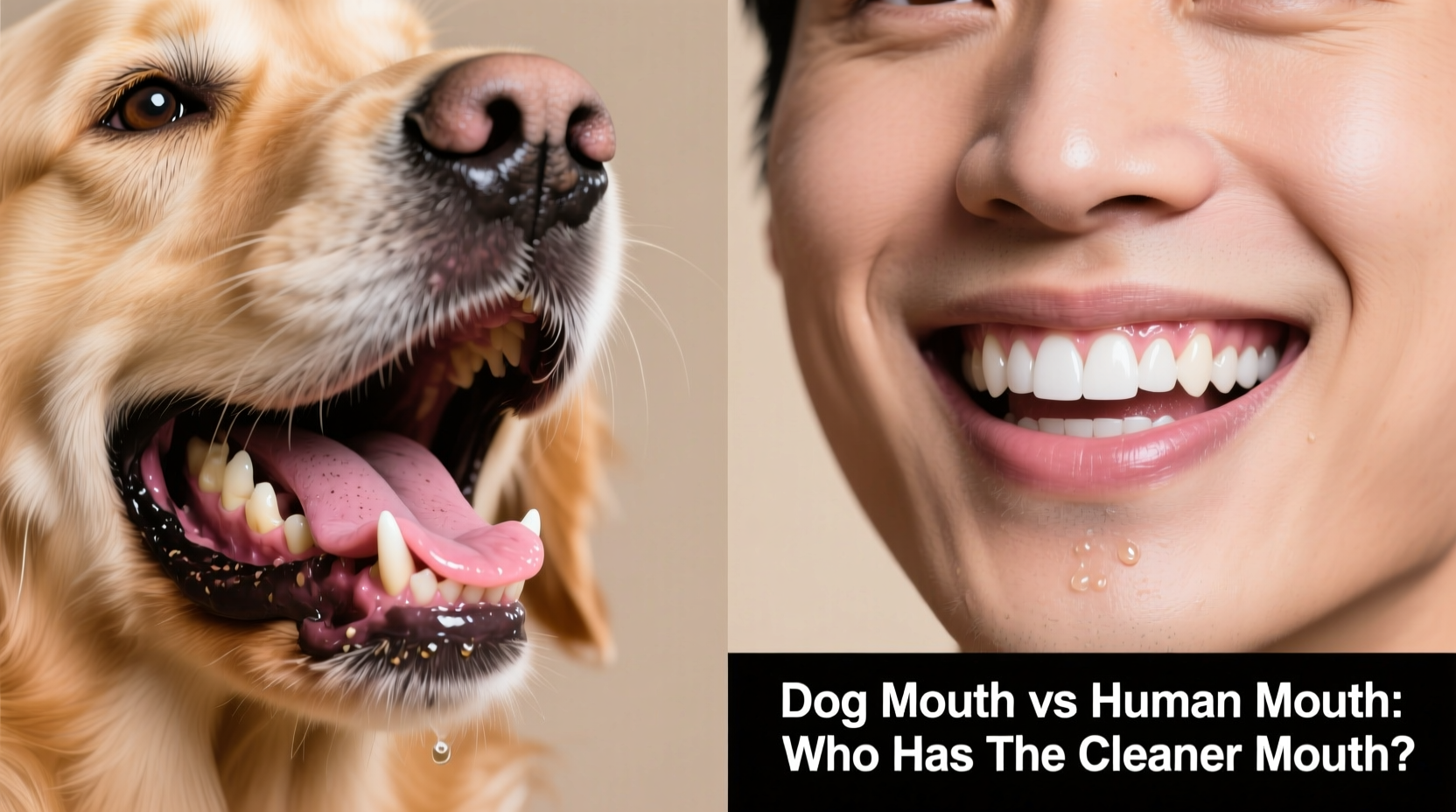
The human mouth typically harbors between 600 and 700 different species of bacteria, though not all are present in every individual. Common genera include Streptococcus, Actinomyces, and Prevotella. Many of these microbes are commensal—meaning they live harmlessly alongside us—but under certain conditions, such as poor hygiene or weakened immunity, they can contribute to cavities, gingivitis, and periodontal disease.
Dog mouths contain a similarly diverse microbiome, with over 500 identified bacterial species. The dominant types differ significantly from those in humans. For example, Porphyromonas gulae and Capnocytophaga canimorsus are common in dogs but rare in humans. These bacteria are adapted to thrive in a carnivorous/omnivorous diet and a different pH environment.
One key difference lies in oral pH. Human saliva tends to be neutral (around pH 6.5–7.5), while dog saliva is slightly more alkaline (pH 7.5–8.0). This affects which bacteria flourish. Alkaline environments can inhibit some acid-loving pathogens but may encourage others associated with tartar buildup.
“While dogs have fewer cavity-causing bacteria due to lower sugar exposure, their mouths are far from sterile. They explore the world with their tongues—from dirty floors to animal waste—and introduce a wide range of microbes.” — Dr. Laura Thompson, Veterinary Dental Specialist
Myth vs. Reality: Debunking the 'Cleaner Mouth' Claim
The myth that a dog’s mouth is cleaner likely originated from early observations that dogs seemed to heal minor wounds faster when licking them. In reality, dog saliva does contain mild antibacterial enzymes like lysozyme and lactoferrin, which can help break down bacterial cell walls. However, these compounds are not strong enough to prevent infection from harmful pathogens.
In fact, allowing a dog to lick open wounds increases the risk of infection, especially in immunocompromised individuals. Cases have been documented where Capnocytophaga canimorsus, normally harmless in dogs, caused severe sepsis in humans after a lick or bite.
Moreover, “clean” is subjective. If cleanliness means fewer disease-causing bacteria for humans, then neither mouth wins outright. Humans may carry more bacteria linked to dental decay, but dogs often carry zoonotic pathogens—organisms that can jump from animals to people.
Tip: Never let your dog lick open cuts, surgical sites, or the faces of infants and elderly individuals with weakened immune systems.Comparative Oral Hygiene Practices
Humans generally engage in daily oral care: brushing, flossing, using mouthwash, and visiting dentists regularly. These habits reduce plaque, control bad breath, and lower the risk of systemic diseases linked to poor oral health, such as heart disease and diabetes.
Dogs rarely receive such care unless their owners actively provide it. According to the American Veterinary Medical Association, only about 2% of dogs receive daily tooth brushing. Most rely on chew toys and dry food to reduce plaque mechanically—but these are not substitutes for proper cleaning.
As a result, many adult dogs develop periodontal disease by age three. This leads to inflamed gums, tooth loss, and increased bacterial load in the mouth. So while a dog’s natural diet limits sugar-related decay, lack of hygiene allows other harmful bacteria to proliferate.
Oral Health Comparison Table
| Factor | Human Mouth | Dog Mouth |
|---|---|---|
| Number of Bacterial Species | 600–700 | 500+ |
| Common Pathogens | Streptococcus mutans, Porphyromonas gingivalis | Porphyromonas gulae, Capnocytophaga canimorsus |
| Typical pH Level | 6.5–7.5 | 7.5–8.0 |
| Regular Oral Care | Common (brushing, flossing) | Rare (only ~2% brushed daily) |
| Zoonotic Risk | Low (rarely transmits to animals) | Moderate (can transmit to humans) |
| Caries (Cavity) Prevalence | High without care | Low due to low sugar intake |
Real-World Case: When Licking Led to Hospitalization
In 2018, a 63-year-old man in Wisconsin was hospitalized with septic shock after his dog licked a small cut on his hand. He had underlying liver disease, which compromised his immune system. Blood cultures identified Capnocytophaga canimorsus, a bacterium found naturally in dog saliva. Despite prompt treatment, he spent two weeks in intensive care and required amputation of parts of several fingers due to tissue necrosis.
This case, reported in the journal *Open Forum Infectious Diseases*, highlights that while rare, zoonotic infections from dog saliva are possible and potentially life-threatening. It underscores the importance of treating animal contact with caution, especially among vulnerable populations.
Practical Guidelines for Safe Interaction
You don’t need to stop letting your dog show affection, but being informed helps you minimize risks. Consider the following checklist to maintain hygiene without sacrificing companionship.
Dog-Human Interaction Safety Checklist
- ✅ Avoid letting dogs lick your face, especially near the mouth, nose, or eyes.
- ✅ Wash hands after handling your dog’s toys, bowls, or mouth area.
- ✅ Prevent dogs from licking wounds, rashes, or broken skin.
- ✅ Brush your dog’s teeth at least 2–3 times per week.
- ✅ Schedule annual veterinary dental checkups.
- ✅ Use vet-approved dental chews or water additives.
- ✅ Keep your own oral hygiene routine consistent—healthy mouths are less hospitable to foreign bacteria.
Step-by-Step: Introducing Tooth Brushing to Your Dog
- Start by letting your dog sniff and taste pet-safe toothpaste (never use human toothpaste).
- Gradually rub the paste on their gums with your finger for 10–15 seconds.
- Introduce a soft-bristled toothbrush or finger brush designed for dogs.
- Brush gently along the gum line, focusing on the outer surfaces of the teeth.
- Aim for 30 seconds per side, building up duration over time.
- Repeat at least 2–3 times weekly for effective plaque control.
Frequently Asked Questions
Can I get sick from my dog licking me?
Yes, though it's uncommon in healthy individuals. Dogs can carry bacteria like Salmonella, E. coli, and Capnocytophaga that may cause illness if transferred through broken skin or mucous membranes. Immunocompromised people are at higher risk.
Is dog saliva healing for wounds?
No. While saliva contains mild antimicrobial properties, the risk of introducing harmful bacteria far outweighs any potential benefit. Modern wound care relies on sterile techniques—not licking.
Do dogs have cleaner mouths than cats?
Not necessarily. Cats also host hundreds of oral bacteria, including Bartonella henselae, which causes cat-scratch fever. Both species require proper dental care, and neither mouth is “clean” by human medical standards.
Conclusion: Rethinking Cleanliness Across Species
So, who has the cleaner mouth—dogs or humans? Based on bacterial diversity, hygiene habits, and health risks, humans generally maintain cleaner mouths due to consistent oral care routines. Dogs may have fewer cavity-causing microbes, but their mouths harbor unique pathogens and are exposed to far more environmental contaminants.
The takeaway isn’t to fear your dog’s affection, but to practice smart hygiene. Love your pet, but set boundaries where health is concerned. Regular dental care for both you and your dog reduces risks and supports long-term well-being.
💬 Have a story about pet hygiene or a question about safe interactions? Share your experience below and join the conversation on responsible pet ownership.








