
Dogs communicate in subtle ways, and one behavior that often puzzles owners is when their dog repeatedly opens and closes its mouth. While this action can be completely normal in certain contexts, it may also signal discomfort, anxiety, or an underlying medical issue. Understanding the context and accompanying behaviors is essential to determine whether intervention is needed. This article explores the possible reasons behind this behavior, how to interpret it, and when to seek veterinary advice.
Common Reasons for Repeated Mouth Opening and Closing
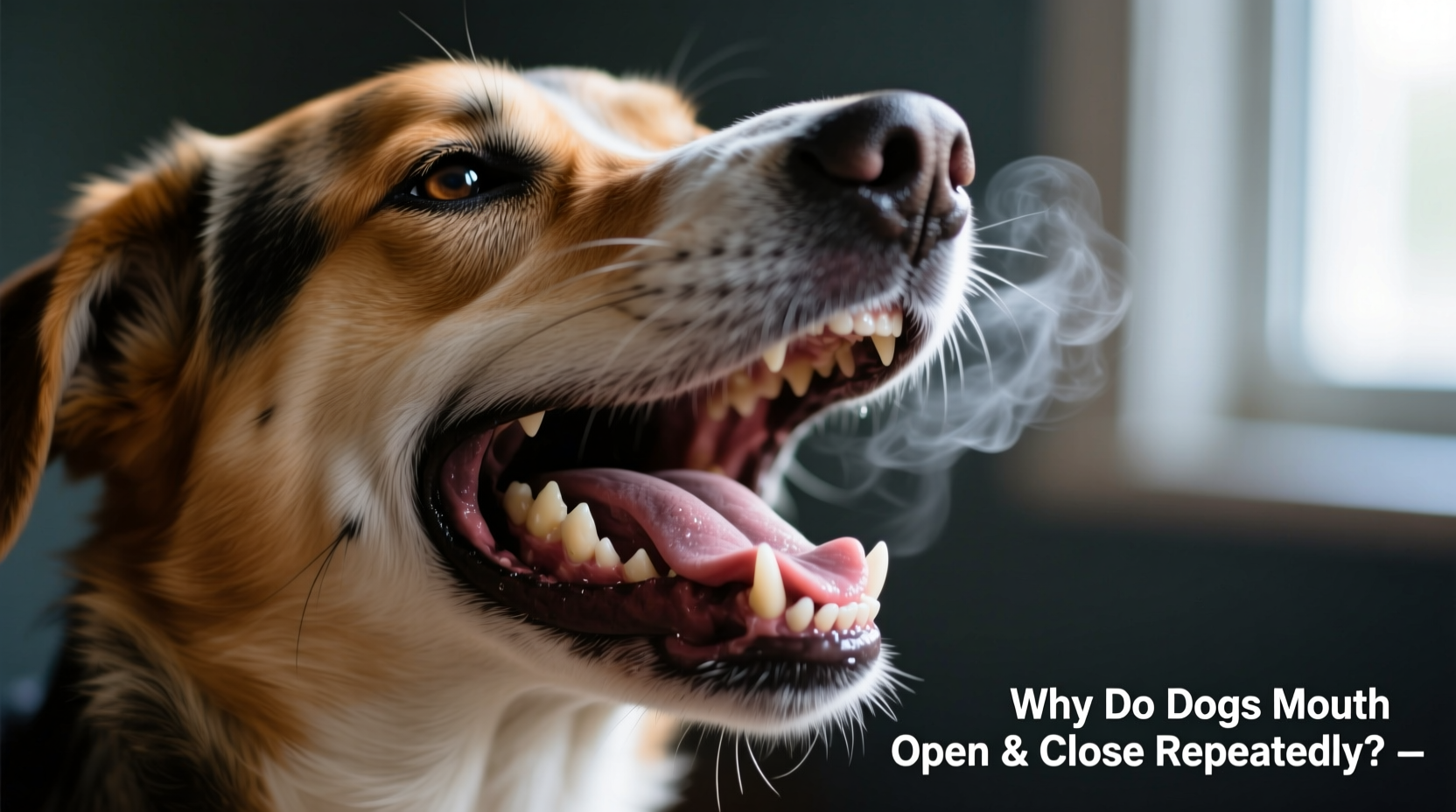
Dogs use their mouths not only for eating and vocalizing but also as part of complex communication and physiological regulation. Repetitive jaw movements can stem from a variety of causes—some benign, others requiring attention.
- Smacking or licking lips: Often a calming signal used to defuse tension in stressful situations.
- Chewing motion without food: May indicate nausea or gastrointestinal discomfort.
- Jaw chattering: Can occur in cold temperatures or due to excitement, but may also point to neurological issues.
- Response to smell: Dogs open and close their mouths rapidly when processing strong scents using the vomeronasal organ.
- Pain-related grinding or clenching: Could suggest dental disease, oral injury, or TMJ dysfunction.
Context is critical. A dog doing this while smelling something intriguing behaves differently than one exhibiting the same movement while avoiding eye contact or cowering.
Tip: Observe your dog in different environments to see if the behavior occurs only in specific situations—such as around strangers, during thunderstorms, or after meals.Behavioral vs. Medical Causes
It's important to distinguish between behavioral triggers and physical health problems. The following table outlines key differences to help guide your assessment.
| Factor | Behavioral Indicators | Medical Red Flags |
|---|---|---|
| Timing | Occurs during stress, excitement, or social interaction | Happens at rest, during sleep, or unrelated to environment |
| Duration | Brief episodes, stops when trigger is removed | Prolonged or increasing frequency over time |
| Body Language | Averted gaze, lip licking, lowered posture | Pawing at mouth, drooling, reluctance to eat |
| Other Symptoms | None; dog resumes normal activity afterward | Vomiting, lethargy, bad breath, weight loss |
If the behavior persists outside emotional triggers or is paired with physical symptoms, a veterinary evaluation should be prioritized.
When It’s a Sign of Anxiety or Stress
Dogs frequently display displacement behaviors—actions that seem out of context—to cope with internal conflict or stress. Lip smacking, tongue flicking, and repetitive jaw movements are classic examples. These signals are part of canine body language meant to reduce tension.
A common scenario: A dog being hugged by a child may briefly look away, lick its lips, and open and close its mouth. This isn’t affection—it’s a polite request for space. Ignoring these signals can escalate anxiety and potentially lead to defensive reactions.
“Dogs rarely act out of aggression without warning. Subtle cues like repeated mouth movements are early indicators of discomfort.” — Dr. Karen Becker, Integrative Veterinarian
Understanding these signals helps prevent misinterpretation and strengthens the human-animal bond. Training, environmental enrichment, and reducing exposure to stressors can significantly reduce such behaviors.
Medical Conditions That May Cause This Behavior
Sometimes, repetitive mouth movements are symptoms of underlying health problems. Key conditions include:
- Dental disease: Plaque buildup, gingivitis, or tooth abscesses cause pain when jaws move.
- Nausea or gastrointestinal upset: Dogs may make chewing motions when feeling queasy, especially before vomiting.
- Neurological disorders: Seizures, tremors, or partial focal seizures can manifest as involuntary jaw snapping.
- Oral tumors: Growths in the mouth or throat may interfere with normal jaw function.
- Rabies (rare but critical): In advanced stages, dogs may exhibit excessive salivation and jaw spasms.
If your dog shows additional symptoms such as drooling, difficulty swallowing, facial swelling, or changes in appetite, schedule a vet visit promptly. Diagnostic tools like oral exams, blood work, or imaging may be necessary.
Mini Case Study: Max, the Anxious Rescue Dog
Max, a 3-year-old mixed breed, was adopted from a shelter. His new owner noticed he often opened and closed his mouth rapidly during walks, especially near busy roads. At first, she thought he was panting, but the motion continued even when resting.
After consulting a veterinary behaviorist, it was determined that Max was displaying stress-related lip smacking. He had likely experienced trauma involving loud noises. With a structured desensitization program, positive reinforcement training, and reduced exposure to high-stress environments, Max���s behavior improved within eight weeks. The mouth movement became rare and eventually disappeared in most settings.
This case illustrates how combining behavioral insight with compassionate care leads to meaningful improvement.
What You Should Do: A Step-by-Step Guide
If you’ve noticed your dog repeatedly opening and closing its mouth, follow this logical sequence to assess and respond appropriately:
- Observe the context: Note when, where, and under what circumstances the behavior occurs.
- Check for accompanying signs: Look for drooling, pawing, halitosis, or changes in eating habits.
- Review recent changes: Consider diet shifts, new pets, home renovations, or travel that might contribute to stress.
- Eliminate obvious triggers: Remove stressors temporarily and monitor if the behavior subsides.
- Schedule a veterinary exam: Especially if the behavior is frequent, intense, or worsening.
- Consult a specialist if needed: A veterinary dentist or behaviorist may offer targeted solutions.
Frequently Asked Questions
Is it normal for dogs to snap their jaws when excited?
Yes, some dogs exhibit rapid jaw snapping or “jaw chattering” when highly aroused, such as during play or anticipation. If it’s brief and the dog remains relaxed otherwise, it’s usually harmless. However, if it becomes compulsive or occurs in isolation, further evaluation is recommended.
Can nausea cause my dog to open and close its mouth?
Absolutely. Nauseous dogs often swallow repeatedly, lick their lips, or make chewing motions. Other signs include gulping, excessive salivation, and refusing food. Common causes include dietary indiscretion, motion sickness, or gastrointestinal disease.
Could this behavior be a seizure?
Yes, focal (partial) seizures can present as isolated muscle twitches, including jaw movements, without full-body convulsions. These episodes may last seconds to minutes and be followed by confusion. Any suspected seizure warrants immediate veterinary attention.
Prevention and Long-Term Care Checklist
To support your dog’s overall well-being and reduce unexplained behaviors, consider the following preventive actions:
- ✅ Schedule biannual dental checkups
- ✅ Feed a consistent, high-quality diet
- ✅ Provide mental stimulation through puzzle toys and training
- ✅ Minimize exposure to known stressors
- ✅ Monitor oral health for redness, tartar, or broken teeth
- ✅ Keep vaccinations up to date, including rabies
Proactive care not only prevents disease but also helps you recognize when something is truly out of the ordinary.
Conclusion
Repetitive mouth opening and closing in dogs is more than just a quirk—it’s a form of communication that can reveal emotional states or physical distress. By paying close attention to timing, context, and associated symptoms, you can better understand what your dog is trying to tell you. While some causes are harmless, others require timely intervention. Never dismiss persistent or worsening behaviors as “just how they are.” Your vigilance today could prevent serious complications tomorrow.
💬 Has your dog exhibited this behavior? What did you discover? Share your experience in the comments to help other pet owners recognize and respond to their dog’s needs.








