Dogs communicate in many ways—barks, whines, growls, and sometimes sounds that make you pause and wonder, “What was that?” From honking and snorting to gurgling and reverse sneezing, unusual noises are often harmless but can occasionally signal something more serious. Understanding the difference between normal quirks and potential health issues helps you respond appropriately and keep your dog safe.
This guide breaks down the most common causes of strange dog noises, outlines warning signs that require veterinary attention, and provides practical steps for monitoring and managing your pet’s vocalizations.
Common Causes of Weird Noises in Dogs
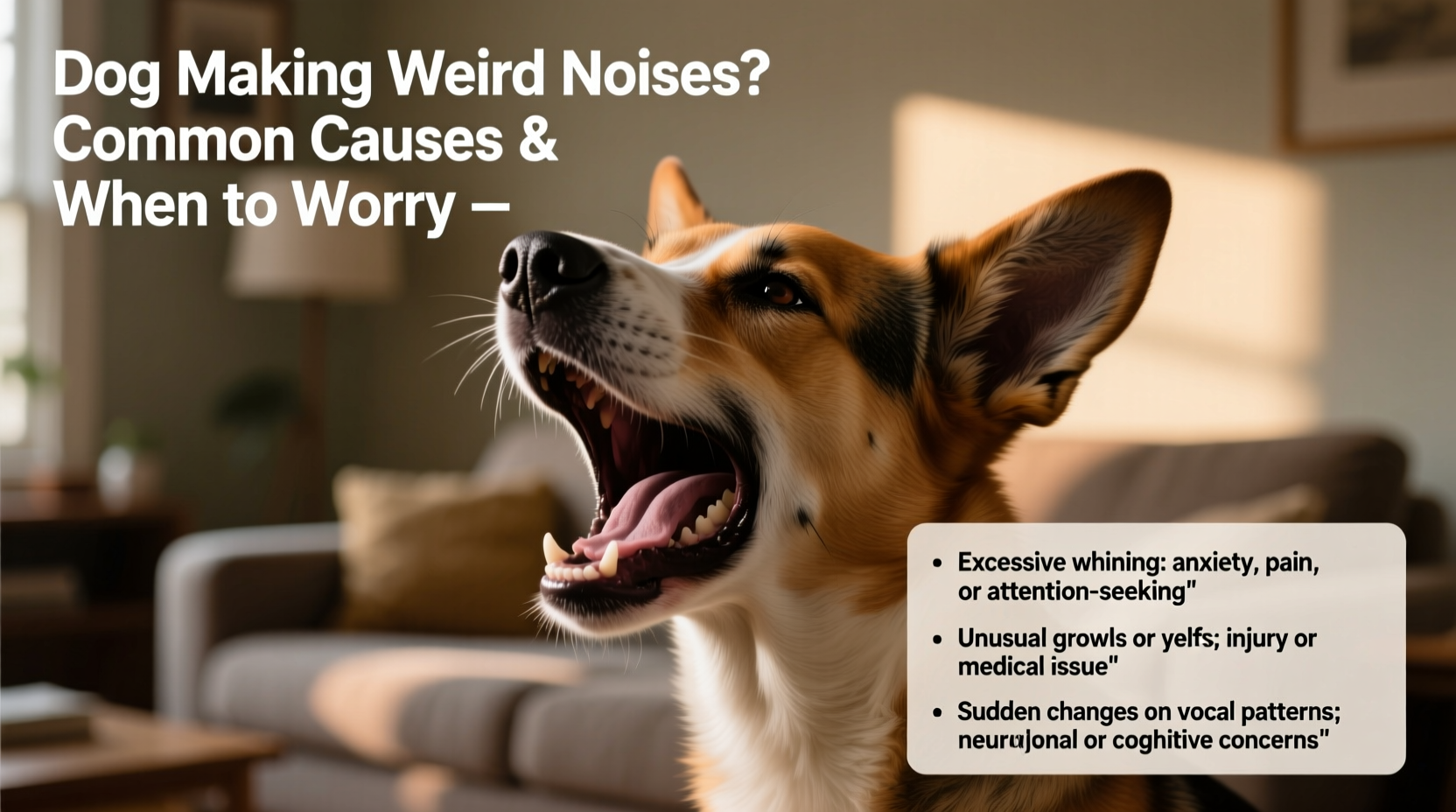
Dogs produce a wide range of sounds beyond barking. Many of these noises are natural expressions of their physiology or behavior. Here are the most frequent sources:
- Reverse Sneezing: A rapid, forceful inhalation through the nose that sounds like snorting or honking. Common in small breeds and brachycephalic dogs (like Pugs and Bulldogs), it’s usually triggered by irritation in the nasal passages.
- Gagging or Retching: Often mistaken for vomiting, this may be caused by post-nasal drip, swallowing air, or mild throat irritation. Occasional gagging is typical, especially after drinking water quickly.
- Snoring: Just like humans, dogs snore when airflow is partially blocked during sleep. Brachycephalic breeds are especially prone due to shortened airways.
- Whining or Moaning: These high-pitched sounds typically express excitement, anxiety, pain, or a desire for attention. Context matters—observe body language to interpret meaning.
- Tracheal Collapse: A condition primarily affecting small dogs, causing a distinctive “goose-honk” cough due to weakening of the windpipe.
- Digestive Gurgling: Loud intestinal noises (borborygmi) are often normal but can indicate gas, dietary changes, or gastrointestinal upset if persistent.
When to Worry: Red Flags That Require Veterinary Attention
While many odd sounds are benign, certain symptoms should prompt immediate concern. These indicate possible respiratory distress, pain, or systemic illness:
- Labored breathing or increased respiratory rate
- Coughing up blood or foam
- Sudden onset of wheezing or choking sounds
- Persistent gagging without producing anything
- Lethargy, loss of appetite, or collapse following an episode
- Blue-tinged gums (a sign of oxygen deprivation)
“Any noise associated with difficulty breathing should be treated as an emergency. Don’t wait—it could be tracheal collapse, pneumonia, or even a foreign object.” — Dr. Laura Simmons, DVM, Small Animal Specialist
Understanding Reverse Sneezing vs. Serious Coughs
Reverse sneezing episodes look alarming but are generally harmless. The dog stands still, extends its neck, and rapidly pulls air in through the nose, creating a loud snorting sound. Episodes last seconds to a minute and resolve on their own.
In contrast, a chronic or worsening cough—especially one that worsens at night or during exercise—may point to heart disease, kennel cough, or bronchitis. If your dog coughs more than once daily for several days, consult your veterinarian.
Do’s and Don’ts: Managing Your Dog’s Noisy Habits
| Action | Do | Don't |
|---|---|---|
| During reverse sneezing | Gently stroke the throat or cover the nostrils briefly to encourage swallowing | Panic or restrain the dog forcefully |
| For snoring | Elevate the head slightly with a supportive bed | Assume it's always normal—rule out obesity or allergies |
| If gagging occurs | Check the mouth for foreign objects; monitor frequency | Ignore repeated episodes, especially with drooling |
| For digestive noises | Feed smaller meals; avoid sudden diet changes | Offer table scraps or rich treats that cause gas |
Step-by-Step Guide: What to Do When Your Dog Makes a Strange Noise
- Stay Calm: Dogs pick up on your stress. Take a breath and observe.
- Observe Duration and Frequency: Is it a one-time event or recurring? How long does it last?
- Note Triggers: Does it happen after eating, during excitement, or while sleeping?
- Check for Other Symptoms: Look for coughing, vomiting, lethargy, or changes in appetite.
- Record the Sound: Use your phone to capture audio or video for your vet.
- Monitor Over 24–48 Hours: If the noise doesn’t repeat and the dog acts normally, it may not need intervention.
- Contact Your Veterinarian: If the noise persists, worsens, or is accompanied by other symptoms, schedule an evaluation.
Mini Case Study: Bella the Pug and the Mysterious Honking
Bella, a 5-year-old Pug, started making loud honking sounds whenever she got excited. Her owner initially thought she was trying to bark differently. But when the noise happened multiple times a day—even after rest—and Bella began tiring easily on walks, her owner became concerned.
A video of the episode showed classic signs of tracheal collapse: a dry, honking cough followed by brief distress. After a vet visit and X-rays, Bella was diagnosed with early-stage tracheal collapse. She was prescribed anti-inflammatory medication, switched to a harness instead of a collar, and advised to maintain a healthy weight. With management, her symptoms improved significantly within weeks.
This case highlights how seemingly quirky noises can mask underlying conditions—especially in predisposed breeds.
Prevention and Long-Term Care Tips
Many causes of weird noises can be minimized with proactive care:
- Use a Harness: Collars put pressure on the trachea, especially in small dogs. A well-fitted harness reduces strain.
- Maintain a Healthy Weight: Excess weight increases respiratory effort and worsens conditions like tracheal collapse.
- Control Allergens: Dust, smoke, and cleaning products can irritate airways. Use pet-safe cleaners and vacuum regularly.
- Hydration and Diet: Fresh water and a balanced diet support overall health, including respiratory and digestive function.
- Avoid Overheating: Heat stress exacerbates breathing difficulties, particularly in flat-faced breeds.
Frequently Asked Questions
Is reverse sneezing dangerous for dogs?
No, reverse sneezing is not dangerous in most cases. It’s a temporary reflex caused by irritation and resolves on its own. However, frequent episodes should be evaluated to rule out allergies, infections, or structural issues.
Why does my dog make a gurgling noise from the stomach?
Stomach gurgling is usually due to normal digestion. However, if it’s constant, loud, or paired with bloating, diarrhea, or vomiting, it could indicate gastrointestinal upset, parasites, or food intolerance.
My dog sounds like he’s choking but isn’t—what could it be?
This could be tracheal collapse, laryngeal paralysis, or a foreign object. If the sound is new, persistent, or getting worse, seek veterinary care immediately. Never assume it’s “just a noise” without evaluation.
Conclusion: Listen Closely, Act Wisely
Your dog’s vocalizations are part of their language. While many strange noises are harmless quirks of breed anatomy or temporary irritation, others are critical signals of underlying health problems. By learning what’s normal for your dog and staying alert to changes, you can catch issues early and ensure timely treatment.
Don’t dismiss persistent or worsening sounds. Trust your instincts—if something feels off, it’s worth a call to your veterinarian. Early intervention can prevent minor concerns from becoming emergencies.
💬 Have a story about your dog’s strange noise? Share your experience in the comments—your insight might help another pet owner recognize a warning sign sooner.








