Dogs, like humans, can experience unexplained weight loss for a variety of reasons—some minor, others serious. While occasional fluctuations are normal, consistent or sudden weight loss should never be ignored. A healthy dog maintains a stable body condition over time, and any deviation may signal an underlying issue. Recognizing the signs early and understanding the possible causes empowers owners to take timely action and support their pet’s long-term well-being.
Common Causes of Weight Loss in Dogs
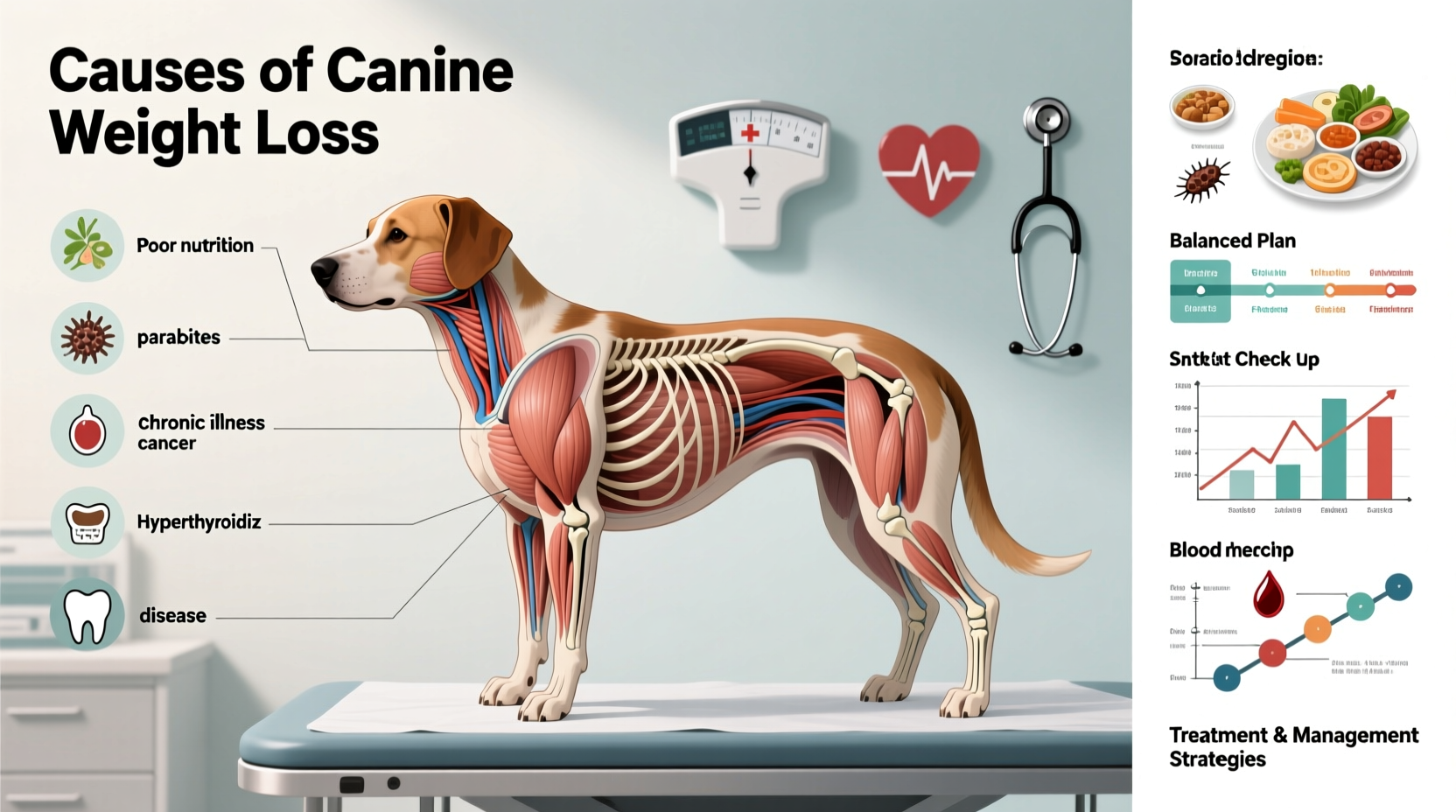
Weight loss occurs when a dog burns more calories than it consumes. This imbalance can stem from reduced intake, poor nutrient absorption, or increased metabolic demand. The root cause may be medical, behavioral, or environmental.
- Dental disease: Painful teeth or gums make eating uncomfortable, leading to decreased food consumption.
- Intestinal parasites: Worms such as roundworms, hookworms, and giardia steal nutrients and irritate the digestive tract.
- Gastrointestinal disorders: Conditions like inflammatory bowel disease (IBD), pancreatitis, or malabsorption prevent proper digestion.
- Metabolic diseases: Diabetes, kidney disease, and hyperthyroidism (rare in dogs but possible) increase calorie burn or impair nutrient processing.
- Cancer: Tumors often elevate metabolic rate and suppress appetite, resulting in rapid weight loss.
- Stress or anxiety: Environmental changes, new pets, or loud noises can suppress appetite.
- Poor-quality diet: Low-nutrient kibble fails to meet energy needs, especially in active or senior dogs.
- Age-related muscle loss: Sarcopenia affects older dogs, reducing lean mass even if fat stores remain stable.
When to See a Veterinarian
Not all weight loss requires emergency care, but certain red flags warrant immediate attention:
- More than 5–10% of body weight lost in a month
- Vomiting, diarrhea, or constipation lasting over 48 hours
- Lethargy, weakness, or collapse
- Difficulty breathing or excessive panting
- Changes in drinking or urination habits
- Visible abdominal swelling or pain
“Unintentional weight loss in dogs is a clinical sign, not a diagnosis. It demands investigation to uncover the underlying cause.” — Dr. Laura Chen, DVM, Internal Medicine Specialist
Step-by-Step Guide to Addressing Dog Weight Loss
If you notice your dog shedding pounds, follow this structured approach to identify and resolve the issue:
- Assess recent changes: Review diet, routine, environment, and stress levels over the past few weeks.
- Weigh your dog: Use a home scale or visit the vet for accurate tracking. Record weekly weights.
- Inspect food quality: Check the ingredient list. Look for named meat sources, adequate protein (18–25% for adults), and no fillers like corn or soy.
- Monitor eating behavior: Note if your dog hesitates to eat, drops food, or shows interest but doesn’t consume meals.
- Schedule a veterinary exam: Include blood work, fecal test, urinalysis, and possibly imaging (X-rays or ultrasound).
- Follow prescribed treatment: Whether deworming, antibiotics, or a special diet, consistency is key.
- Re-evaluate after 2–4 weeks: Track progress and report concerns to your vet.
Nutritional Strategies to Support Healthy Weight Gain
Once medical issues are ruled out or managed, nutrition becomes central to recovery. The goal isn’t just adding pounds, but rebuilding muscle and improving overall condition.
| Nutrient | Role in Weight Recovery | Best Sources |
|---|---|---|
| High-Quality Protein | Rebuilds muscle mass and supports immune function | Chicken, turkey, eggs, fish, organ meats |
| Fats | Energy-dense; helps increase caloric intake without volume overload | Fish oil, chicken fat, coconut oil (in moderation) |
| Complex Carbohydrates | Provide sustained energy and support gut health | Sweet potatoes, brown rice, oats |
| Vitamins & Minerals | Support metabolism and tissue repair | Multi-vitamin supplements (vet-approved) |
Consider switching to a calorie-dense, highly palatable food formulated for recovery or senior dogs. Many brands offer “performance” or “veterinary diet” lines for underweight animals. Always transition gradually over 7–10 days to avoid digestive upset.
Tip: Warm food slightly before serving—it enhances aroma and can stimulate appetite in picky or sick dogs.Real-Life Example: Max the Beagle’s Recovery
Max, a 7-year-old beagle, began losing weight over two months despite eating his usual kibble. His owner noticed he seemed tired and less interested in walks. A vet visit revealed a heavy roundworm infestation and mild liver enzyme elevation. After deworming and a switch to a high-protein, easily digestible prescription diet, Max gained back 3 pounds in six weeks. His energy returned, and follow-up blood work normalized. The case highlights how parasites—even in indoor dogs—can silently impact health and how targeted nutrition aids recovery.
Do’s and Don’ts When Your Dog Is Losing Weight
| Do’s | Don’ts |
|---|---|
| Track weight weekly using the same scale | Free-feed inconsistently or change diets abruptly |
| Offer small, frequent meals (3–4 times daily) | Force-feed or panic during short-term appetite dips |
| Add warm water or low-sodium broth to dry food | Give table scraps or high-fat human foods |
| Use puzzle feeders to encourage eating in stressed dogs | Ignore dental signs like bad breath or drooling |
FAQ
Can stress cause my dog to lose weight?
Yes. Dogs experiencing anxiety due to relocation, new pets, or loud environments may eat less or develop gastrointestinal upset, leading to weight loss. Addressing the source of stress and maintaining routine feeding times can help.
Is it normal for older dogs to lose weight?
Some muscle loss is common with aging, but significant weight loss is not normal. It may indicate arthritis limiting mobility, dental issues, or chronic disease. Senior dogs benefit from regular check-ups and tailored nutrition.
How quickly should my dog gain weight back?
A safe rate is 1–2% of body weight per week. Rapid gain can strain organs. For example, a 20-pound dog should gain about 0.2–0.4 pounds weekly. Work with your vet to set realistic goals.
Action Plan Checklist
Use this checklist to stay organized and proactive:
- ✅ Weigh your dog today and record the number
- ✅ Schedule a vet appointment if weight loss exceeds 5%
- ✅ Collect a fresh stool sample for parasite testing
- ✅ Review current food label for protein and fat content
- ✅ Transition to a higher-calorie diet if recommended
- ✅ Monitor appetite, energy, and bathroom habits daily
- ✅ Follow up with vet in 3–4 weeks to assess progress
Conclusion
Unexplained weight loss in dogs is a warning sign that deserves attention—not fear, but informed action. By understanding potential causes, recognizing symptoms early, and partnering with your veterinarian, you can restore your dog’s health and vitality. Nutrition, consistency, and compassion form the foundation of recovery. Every pound regained is a step toward a longer, happier life together.
💬 Your dog’s health journey matters. Share your story or questions in the comments—your experience could help another pet owner find answers.








