Dog owners often notice changes in their pet’s coat before anything else. While seasonal shedding is normal, sudden or patchy hair loss can signal an underlying issue. Understanding the potential causes, recognizing when intervention is needed, and knowing which treatments are effective can make all the difference in your dog’s comfort and long-term health. This guide explores the most common reasons dogs lose hair, what you can do at home, and when it’s time to consult a veterinarian.
Common Causes of Hair Loss in Dogs
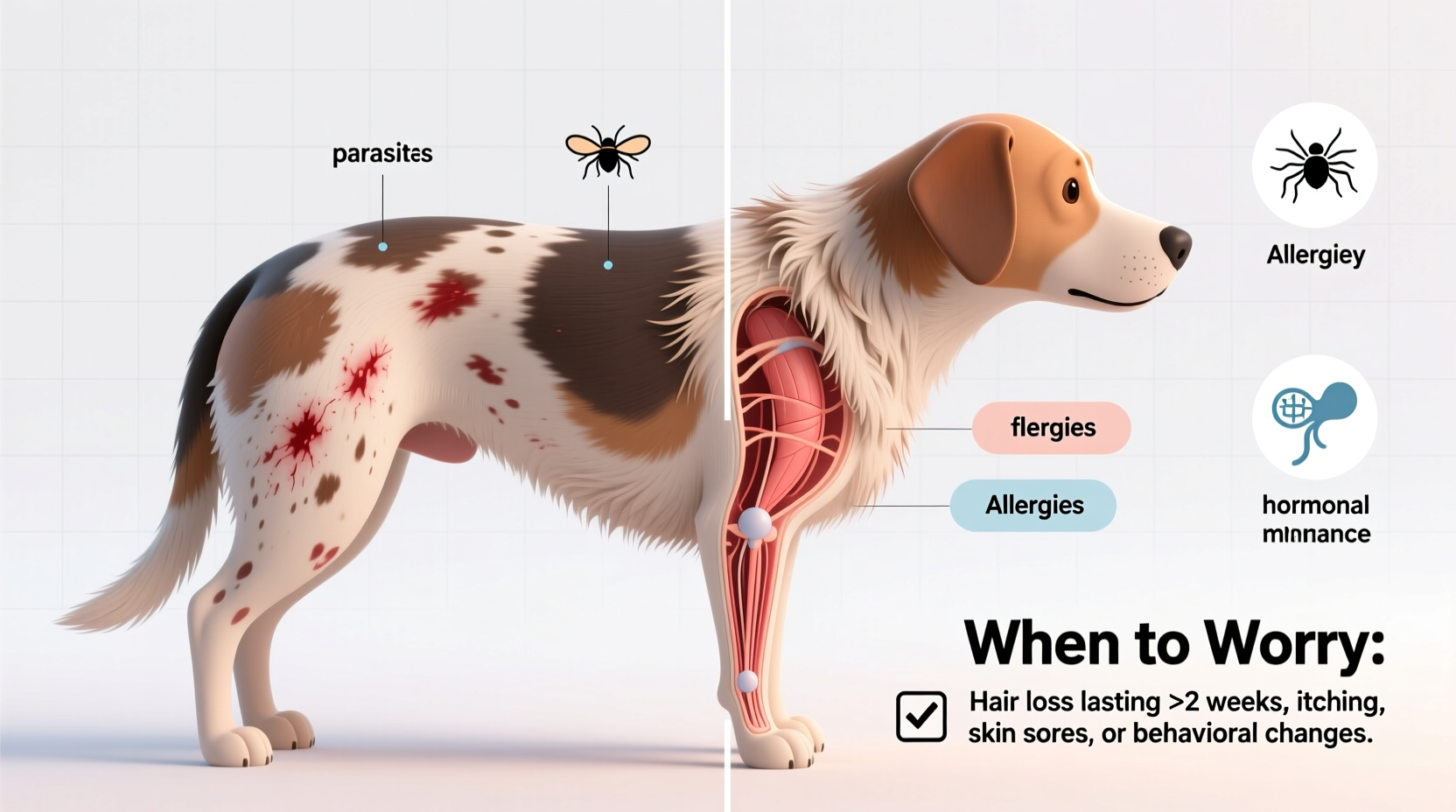
Canine alopecia—partial or complete hair loss—can stem from a wide range of factors. Some are minor and easily managed, while others point to systemic illness. The key is identifying patterns and accompanying symptoms.
- Allergies: Environmental allergens (pollen, dust mites) or food sensitivities can cause intense itching, leading to excessive scratching and hair breakage or loss.
- Parasites: Fleas, ticks, and mites (especially sarcoptic and demodectic mange) irritate the skin and trigger localized or widespread alopecia.
- Bacterial or Fungal Infections: Ringworm (a fungal infection) and bacterial folliculitis disrupt hair growth and create scaly, inflamed patches.
- Hormonal Imbalances: Conditions like hypothyroidism, Cushing’s disease, or sex hormone disorders often result in symmetrical thinning, especially along the trunk and tail base.
- Stress or Behavioral Issues: Compulsive licking or chewing due to anxiety can lead to “acral lick dermatitis,” commonly seen on legs or paws.
- Nutritional Deficiencies: Poor diet lacking essential fatty acids, zinc, or protein may contribute to dull coats and increased shedding.
When to Worry: Red Flags That Demand Veterinary Attention
Not all hair loss requires immediate concern. Normal shedding varies by breed and season. However, certain warning signs should prompt a vet visit within 24–48 hours:
- Skin that appears red, crusty, oozing, or has an odor
- Open sores or ulcerations
- Excessive scratching, biting, or signs of pain
- Hair loss spreading rapidly or becoming generalized
- Changes in behavior, appetite, or energy levels
- Weight gain, lethargy, or increased thirst/urination (possible endocrine signs)
“Hair loss alone isn’t always alarming, but when combined with skin lesions or systemic symptoms, it’s a clear signal for diagnostic testing.” — Dr. Lena Torres, DVM, Board-Certified Veterinary Dermatologist
Treatment Options Based on Cause
Effective treatment depends entirely on the root cause. Self-diagnosis can delay proper care, but understanding available options helps you collaborate with your vet.
| Cause | Treatment Approach | Expected Timeline |
|---|---|---|
| Flea Allergy Dermatitis | Flea control + antihistamines/corticosteroids for inflammation | Improvement in 1–3 weeks |
| Demodex Mange | Topical or oral antiparasitic medications (e.g., ivermectin, moxidectin) | 6–12 weeks with monitoring |
| Hypothyroidism | Daily thyroid hormone replacement (levothyroxine) | Coat regrowth in 4–8 weeks |
| Ringworm | Oral antifungals + topical dips (e.g., lime sulfur) | 8–12 weeks |
| Behavioral Overgrooming | Environmental enrichment + anti-anxiety meds if needed | Variable; behavior modification takes time |
Home Care and Supportive Measures
While professional diagnosis is crucial, supportive care at home can ease discomfort and promote healing:
- Use a gentle, hypoallergenic shampoo formulated for dogs every 1–2 weeks during flare-ups.
- Brush regularly to remove dead hair and improve circulation.
- Supplement with omega-3 fatty acids (fish oil) to support skin barrier function.
- Wipe paws after walks to reduce allergen exposure.
- Keep bedding clean and washable.
Step-by-Step: What to Do If Your Dog Is Losing Hair
- Observe and Document: Note location, progression, and any additional symptoms (itching, odor, behavior changes).
- Check for Parasites: Use a flea comb and inspect skin closely under bright light.
- Review Diet and Environment: Has there been a recent food change? Exposure to new cleaners or plants?
- Begin Gentle Grooming: Bathe with a soothing oatmeal-based shampoo and brush carefully.
- Schedule a Vet Visit: Especially if no improvement in 7–10 days or if symptoms worsen.
- Follow Diagnostic Recommendations: Skin scrapings, blood tests, or allergy panels may be needed.
- Adhere to Treatment Plan: Complete full courses of medication even if symptoms resolve early.
Real-Life Example: Max, the Golden Retriever with Itchy Patches
Max, a 4-year-old Golden Retriever, began losing fur around his elbows and abdomen. His owner initially assumed it was shedding, but the patches became raw and inflamed. After trying a new diet and over-the-counter flea treatment with no improvement, a vet visit revealed Demodex mites through a skin scraping. Max was prescribed a monthly isoxazoline-class medication and medicated baths. Within six weeks, his coat began regrowing, and follow-up tests confirmed mite clearance. The case highlights the importance of diagnostics—even when symptoms seem routine.
Prevention Checklist for Healthy Skin and Coat
Proactive care reduces the risk of many causes of hair loss. Use this checklist as a monthly guide:
- ✅ Administer year-round parasite prevention (fleas, ticks, mites)
- ✅ Feed a balanced, high-quality diet with adequate protein and fats
- ✅ Brush your dog 2–3 times per week to distribute natural oils
- ✅ Bathe only when necessary using a mild dog-specific shampoo
- ✅ Minimize stress with consistent routines and mental stimulation
- ✅ Schedule annual wellness exams, including skin evaluation
- ✅ Monitor for early signs of allergies (paw licking, ear infections)
Frequently Asked Questions
Is it normal for my dog to shed a lot in spring and fall?
Yes, many breeds experience \"blowing their coat\" seasonally to adjust to temperature changes. However, bald patches, skin irritation, or hair not regrowing are not normal and warrant investigation.
Can I treat my dog’s hair loss with coconut oil or apple cider vinegar?
While coconut oil may soothe dry skin when applied sparingly, it won’t treat infections or parasites. Apple cider vinegar can alter skin pH and potentially worsen some conditions. Always consult your vet before using home remedies.
How long does it take for a dog’s hair to grow back after treatment?
Regrowth timelines vary. With proper treatment, you may see improvement in 4–8 weeks, but full coat recovery can take several months, especially in cases involving hormonal imbalances or chronic inflammation.
Take Action for Your Dog’s Health
Hair loss in dogs is more than a cosmetic issue—it’s often a window into their internal well-being. While some causes are simple to address, others require timely medical intervention. By staying observant, responding early to changes, and partnering with your veterinarian, you can ensure your dog remains comfortable, healthy, and happy. Don’t wait for symptoms to escalate. A proactive approach today can prevent complications tomorrow.
💬 Has your dog experienced hair loss? Share your story or questions below—your experience could help another pet owner recognize the signs sooner.








