Dogs are naturally observant and emotionally responsive animals. When a dog suddenly begins hiding under the bed—especially if this behavior is new or persistent—it’s often a clear signal that something is off. While occasional hiding can be normal, consistent retreats into tight spaces like under the bed usually point to stress, fear, illness, or environmental changes. Understanding why your dog is seeking shelter in these dark corners is the first step toward helping them regain confidence and comfort.
Why Dogs Hide Under the Bed: Common Causes
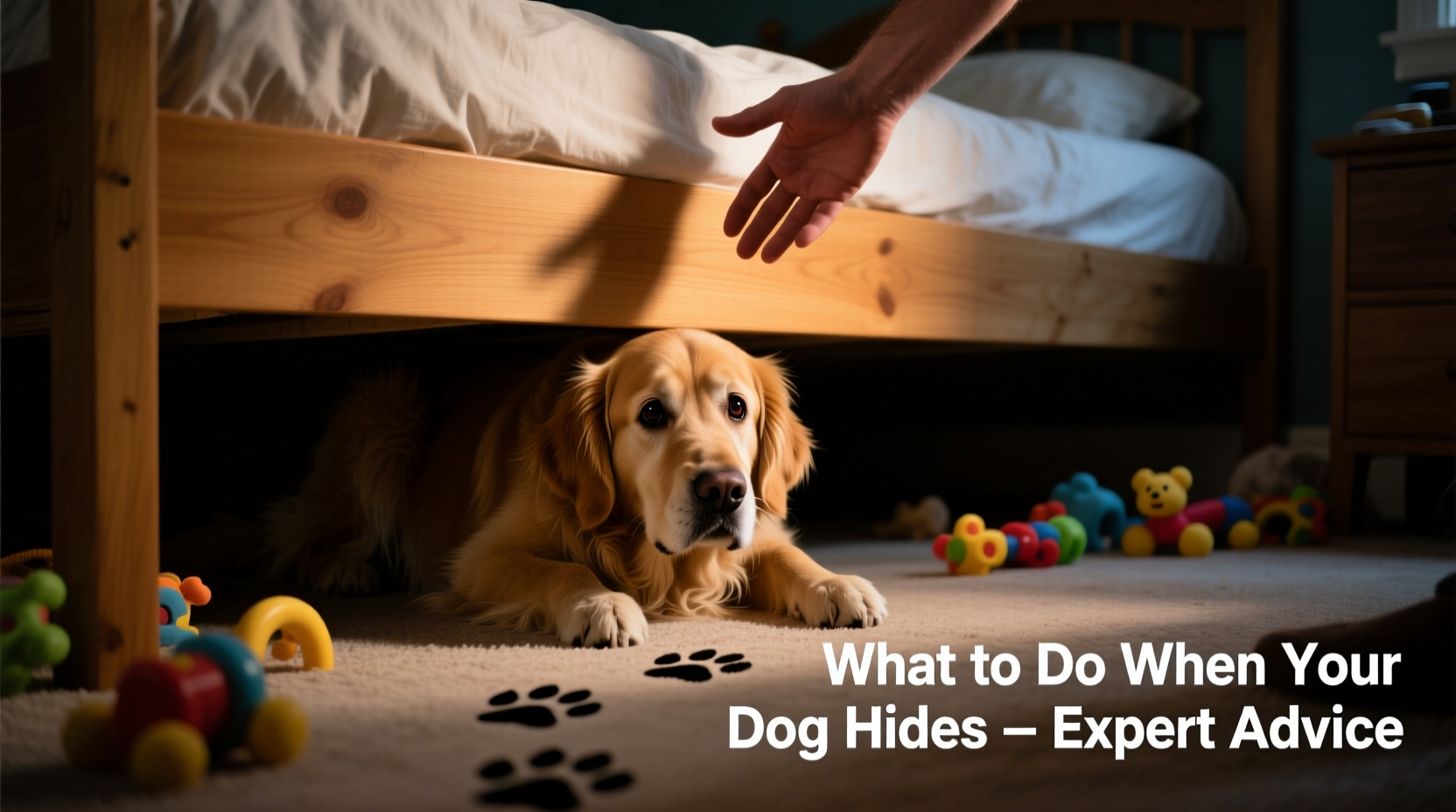
Hiding isn't just quirky behavior—it's a survival instinct rooted in a dog’s evolutionary past. In the wild, animals seek enclosed spaces when they feel vulnerable. For domesticated dogs, the bed becomes a den-like refuge when they’re overwhelmed. The most frequent reasons include:
- Fear of loud noises: Thunderstorms, fireworks, or even household appliances like vacuum cleaners can trigger anxiety.
- Changes in routine or environment: Moving homes, new furniture, or altered schedules disrupt a dog’s sense of security.
- New people or pets: Visitors, babies, or another animal in the home may cause social stress.
- Pain or illness: Aches from arthritis, dental issues, or internal discomfort can make a dog withdrawn.
- Past trauma: Rescue dogs with histories of abuse or neglect may revert to hiding during stressful moments.
- Aging-related cognitive decline: Older dogs with canine cognitive dysfunction (similar to dementia) may become disoriented and anxious.
It’s crucial not to dismiss this behavior as “just being shy.” Repeated hiding can escalate into chronic anxiety if left unaddressed.
Tip: Never pull your dog out from under the bed forcefully—this can increase fear and damage trust.How to Help Your Dog Feel Safe Again
Supporting a hiding dog requires patience, observation, and proactive care. Start by ruling out medical causes. Schedule a vet visit to check for underlying health issues, especially if the behavior is sudden or accompanied by other symptoms like lethargy, loss of appetite, or aggression.
If the dog gets a clean bill of health, focus shifts to emotional and environmental support. Create a designated “safe zone” elsewhere in the house—a quiet corner with a crate, soft bedding, and familiar scents. This gives your dog an alternative to the bed while still offering privacy.
Use positive reinforcement to encourage calm behavior. Reward your dog with treats, gentle praise, or favorite toys when they emerge voluntarily. Avoid overwhelming them with attention; instead, sit nearby and let them approach on their own terms.
“Dogs don’t hide to defy you—they hide because they feel unsafe. Our job is to rebuild that sense of safety without pressure.” — Dr. Lena Patel, Veterinary Behaviorist
Step-by-Step Plan to Address Hiding Behavior
Follow this structured timeline to address hiding behavior effectively:
- Day 1–2: Observe and assess. Note when and how long your dog hides. Look for triggers such as noises, visitors, or specific times of day.
- Day 3: Visit the vet. Rule out pain, infection, or neurological issues that could be causing discomfort.
- Day 4–7: Create a safe space. Set up a low-traffic area with a covered crate, calming music, and pheromone diffusers (like Adaptil).
- Week 2: Begin desensitization. If noise is a trigger, play recorded sounds at a low volume while offering treats. Gradually increase volume over days.
- Week 3–4: Reinforce positive associations. Use mealtime or play near the safe zone to build comfort. Never force interaction.
- Ongoing: Monitor progress. Keep a journal of improvements or setbacks to discuss with your vet or trainer.
Do’s and Don’ts When Your Dog Is Hiding
| Do’s | Don’ts |
|---|---|
| Give your dog space and time to self-regulate. | Yell at or punish your dog for hiding. |
| Use calming aids like pheromone sprays or anxiety wraps. | Force your dog out from under furniture. |
| Speak in soft, reassuring tones when nearby. | Crowd your dog with excessive petting or attention. |
| Maintain a predictable daily routine. | Introduce multiple changes at once (e.g., new pet + new home). |
| Consult a professional trainer or behaviorist if needed. | Ignore persistent hiding lasting more than two weeks. |
Real-Life Example: Max, the Fireworks-Fearing Rescue Dog
Max, a 4-year-old mixed breed, was adopted from a rural shelter where he had minimal exposure to city life. Within weeks of moving into an apartment building, his owners noticed he disappeared under the bed every evening. After tracking patterns, they realized it coincided with weekly fireworks displays at a nearby park.
They consulted a veterinary behaviorist who recommended a combination of sound desensitization using a gradual audio program, nightly use of an anxiety wrap, and relocating Max’s crate to a windowless room. Over six weeks, with consistent practice, Max began choosing his crate over the bed during fireworks. By week eight, he remained calm through minor disturbances.
This case illustrates how identifying triggers and applying targeted interventions can transform fearful behavior.
When to Seek Professional Help
While many cases improve with time and supportive care, some require expert intervention. Consider reaching out to a certified dog behavior consultant or veterinary behaviorist if:
- Your dog hasn’t emerged for food, water, or bathroom breaks in over 24 hours.
- Hiding is paired with aggression, trembling, excessive panting, or drooling.
- The behavior persists beyond two weeks despite environmental adjustments.
- You suspect trauma or have a rescue dog with unknown history.
Professionals can design customized behavior modification plans, and in severe cases, may recommend short-term anti-anxiety medication under veterinary supervision.
Tip: Record a short video of your dog’s behavior to show your vet—it helps identify subtle signs of distress.FAQ
Is it normal for puppies to hide under the bed?
Yes, especially during early adjustment periods. Puppies exploring a new home may feel overwhelmed. As long as they eat, drink, and interact periodically, brief hiding is part of acclimation. However, prolonged withdrawal warrants evaluation.
Can separation anxiety cause a dog to hide?
Absolutely. Dogs with separation anxiety may hide before the owner leaves or immediately after. Other signs include destructive behavior, whining, or accidents indoors. Management includes gradual departure training and creating positive associations with alone time.
Should I block access to under the bed?
No—blocking access removes a coping mechanism and may increase stress. Instead, offer a better alternative, like a cozy crate in a quiet room. Most dogs will choose the more comfortable option over time.
Final Thoughts: Patience and Presence Make the Difference
A dog hiding under the bed is communicating distress in the only way they know how. Responding with empathy, consistency, and informed action can dramatically improve their well-being. Healing doesn’t happen overnight, but small, intentional steps—like creating a safe space, eliminating triggers, and reinforcing calmness—build lasting confidence.
Every dog deserves to feel secure in their home. By listening to their silent cues and acting with compassion, you strengthen not only their mental health but also the bond you share.
💬 Have a story about your dog overcoming fear? Share your experience below—your journey might help another pet parent feel less alone.








