Every dog owner has likely heard it—the sharp, strained cough or gasp that follows when their dog lunges forward on a leash. That choking sound isn’t just unsettling; it’s a red flag. It signals discomfort, potential injury, and long-term health risks. When your dog pulls, the choice between a collar and a harness becomes more than a matter of preference—it’s a decision about safety, comfort, and training effectiveness. So, which option truly prevents the choking sound? The answer lies in understanding how each device affects your dog’s anatomy, behavior, and breathing mechanics.
Anatomy of the Choking Sound: What Happens When Dogs Pull?
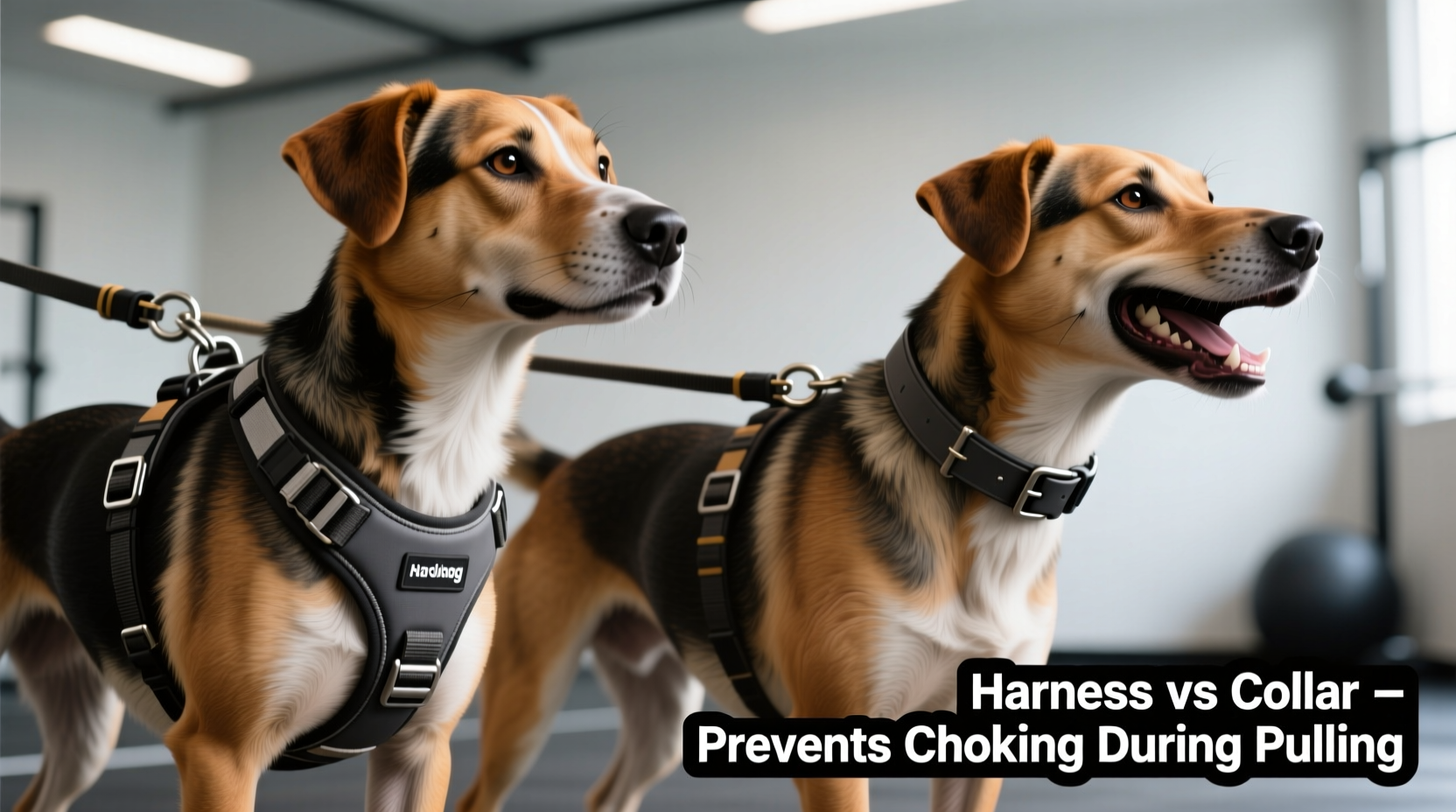
When a dog pulls against a traditional neck collar, pressure is concentrated around the trachea, larynx, and cervical spine. This compression can lead to a range of issues:
- Tracheal collapse: Repeated strain weakens the cartilage rings supporting the windpipe, especially in small breeds like Pomeranians or Yorkshire Terriers.
- Vocal cord damage: Chronic pressure may cause hoarseness or even permanent voice changes.
- Thyroid and nerve disruption: The neck houses vital glands and nerves; excessive force can impair function over time.
- Eye pressure spikes: Studies show that neck pressure increases intraocular pressure, posing risks for dogs with glaucoma.
The choking sound—often a gag, cough, or high-pitched wheeze—is the body’s alarm system. It means airflow is being restricted. While some owners dismiss this as “normal” during excitement, it should never be ignored. Preventing these episodes starts with rethinking how we attach the leash.
Tip: If your dog makes any noise while walking—coughing, gagging, or gasping—immediately switch to a front-clip harness and consult your vet.Collars: When They Work—and When They Don’t
Traditional collars have their place. They’re ideal for holding ID tags, carrying lightweight leashes in controlled environments, and use with well-trained dogs who walk politely. However, they are fundamentally flawed for dogs that pull.
Research from the University of Pennsylvania School of Veterinary Medicine found that even moderate pulling generates enough force to temporarily restrict blood flow to the brain and eyes. In brachycephalic breeds (like Bulldogs or Pugs), whose airways are already compromised, collars can exacerbate breathing difficulties within seconds.
Some trainers still advocate for correction collars—such as choke chains or prong collars—but these rely on pain or discomfort to suppress pulling. Not only do they increase the risk of injury, but they also fail to address the root cause: lack of training or overexcitement. Worse, they often intensify the very behaviors they aim to correct by creating fear or frustration.
“Using a collar to manage pulling is like using a seatbelt to teach someone how to drive. It might restrain them, but it doesn’t teach control.” — Dr. Sophia Yin, DVM, Applied Animal Behaviorist
Harnesses: Design, Types, and Why They Reduce Choking
A well-designed harness distributes pressure across the chest and shoulders—areas better equipped to handle force without compromising vital structures. Unlike collars, harnesses avoid direct pressure on the neck, making them inherently safer for dogs prone to pulling.
Not all harnesses are created equal. There are three primary types:
| Type | Attachment Point | Best For | Risks/Limitations |
|---|---|---|---|
| Back-Clip Harness | Between the shoulder blades | Calm dogs, light walkers | Can encourage pulling due to leverage (like a sled dog) |
| Front-Clip Harness | Chest strap, near sternum | Dogs that pull strongly | May require adjustment period; improper fit can rub armpits |
| No-Pull (Dual-Clip) Harness | Both front and back | Training + daily walks | Slightly bulkier; higher cost |
Front-clip harnesses are particularly effective at reducing the choking sound because they redirect the dog’s momentum. When a dog pulls, the leash tension turns them gently toward the handler instead of allowing straight-line force. This not only protects the airway but also provides immediate feedback that discourages pulling over time.
How Front-Clip Harnesses Work: A Mechanical Advantage
Imagine a dog lunging forward while wearing a back-clip harness. The force travels directly backward, stretching the torso and potentially straining internal organs. Now imagine the same dog wearing a front-clip model. As soon as they surge ahead, the leash pulls their chest sideways, naturally pivoting their body to face the handler. This redirection uses physics to aid training, not punishment.
Studies published in the *Journal of Veterinary Behavior* confirm that dogs wearing front-clip harnesses exhibit significantly fewer coughing episodes and lower heart rates during walks compared to those in neck collars.
Real-World Example: Transforming a Reactive Walker
Meet Max, a two-year-old Australian Shepherd adopted from a shelter. Max was enthusiastic, intelligent, and deeply reactive to other dogs and cyclists. On walks, he would lunge violently, triggering a harsh coughing fit every few minutes. His previous owner used a standard nylon collar, believing that “he’ll learn if he feels it.”
After consulting a certified canine behaviorist, Max’s new family switched to a front-clip harness (the Freedom No-Pull model) and began positive reinforcement training. Within three weeks:
- The choking sounds disappeared completely.
- Max responded faster to recall cues.
- Walks became calmer and longer, improving his overall fitness and mental health.
The change wasn’t just behavioral—it was physiological. Without constant throat compression, Max’s breathing normalized, reducing anxiety and improving focus. His transformation underscores a key truth: humane tools support humane training.
Step-by-Step Guide to Transitioning from Collar to Harness
Moving from a collar to a harness isn’t just about swapping gear. Done correctly, it supports long-term behavioral improvement. Follow this timeline:
- Week 1: Introduce the harness indoors. Let your dog sniff it, reward interaction, and practice short fittings with treats. Goal: Associate the harness with positivity.
- Week 2: Practice movement with slack leash. Walk around the house or yard with minimal tension. Reward pauses, eye contact, and loose-leash walking.
- Week 3: Begin redirection training. Use the front-clip harness to guide your dog into a turn when they start to pull. Pair the motion with a verbal cue like “this way.”
- Week 4: Increase distractions gradually. Move to low-traffic sidewalks, then busier areas. Keep sessions short and end on success.
- Ongoing: Reinforce consistently. Even after progress, continue rewarding calm behavior. Replace old habits with new ones through repetition.
This phased approach ensures your dog doesn’t associate the harness with restriction but with guidance and reward. Patience is essential—especially for dogs with established pulling habits.
Tip: Always adjust harness straps snugly but allow two fingers to fit beneath. Loose harnesses can slip and cause chafing; tight ones restrict movement.Checklist: Choosing the Right Harness to Stop Choking
Before purchasing, verify these critical features:
- ✅ Adjustable chest and girth straps for secure fit
- ✅ Front attachment point on a sturdy ring (not fabric loop)
- ✅ Padding on shoulders and behind front legs to prevent rubbing
- ✅ Reflective stitching for visibility in low light
- ✅ Easy on/off design (step-in or clip closure)
- ✅ Size chart matched to your dog’s actual measurements—not breed averages
- ✅ Certified no-pull design (look for models tested in behavioral studies)
Avoid harnesses with only back clips if your dog pulls. Also steer clear of poorly designed “anti-pull” models that dig into the armpits or restrict shoulder movement. Comfort is non-negotiable for long-term use.
Frequently Asked Questions
Can a harness completely eliminate pulling?
No single tool eliminates pulling on its own. A front-clip harness reduces the physical ability to pull and provides gentle correction, but consistent training is required to change the behavior permanently. Think of the harness as a supportive aid, not a magic fix.
Is it safe to use a harness and collar together?
Yes—many owners use both. The harness handles the leash tension, while the collar carries ID tags. Just ensure the collar is loose enough not to press into the neck when the dog is pulling on the harness. Never attach the leash to both simultaneously, as this can create dangerous entanglement risks.
Do veterinarians recommend harnesses over collars?
Most veterinary professionals, especially those in internal medicine and ophthalmology, recommend harnesses for dogs that pull, have respiratory conditions, or are small/toy breeds. The American Veterinary Medical Association (AVMA) supports the use of non-restrictive walking equipment to prevent tracheal injury.
Conclusion: Prioritize Safety, Comfort, and Long-Term Training Success
The choking sound your dog makes when pulling isn’t just a nuisance—it’s a warning sign. Continuing to use a neck collar in these situations risks long-term damage to the trachea, eyes, and nervous system. A well-fitted front-clip harness offers a scientifically supported, humane alternative that protects your dog’s health while supporting better leash manners.
The shift from collar to harness isn’t just about equipment. It reflects a deeper commitment to understanding your dog’s needs and responding with empathy and intelligence. Whether you have a boisterous puppy or a rescue with trust issues, choosing the right gear is the first step toward stress-free, enjoyable walks for both of you.
💬 Have you made the switch from collar to harness? Share your experience, challenges, or tips in the comments—your story could help another dog owner make a safer choice today.








