Many dog owners face the same frustrating scenario: their pet turns its nose up at a full bowl of premium kibble. Picky eating isn’t just inconvenient—it can lead to nutritional gaps, weight loss, and stress for both pet and owner. When mealtime becomes a battle, quick solutions like food toppers or homemade broth often come to mind. But which method actually works faster to reignite a dog’s appetite? The answer depends on palatability, digestion, nutrient absorption, and your dog’s individual preferences.
This article compares commercial dog food toppers and homemade broth head-to-head, examining how each affects appetite stimulation, ease of use, safety, and long-term feeding behavior. Whether you’re dealing with a finicky senior dog or a puppy going through a selective phase, understanding the science behind flavor enhancement can make all the difference.
The Science Behind Canine Appetite
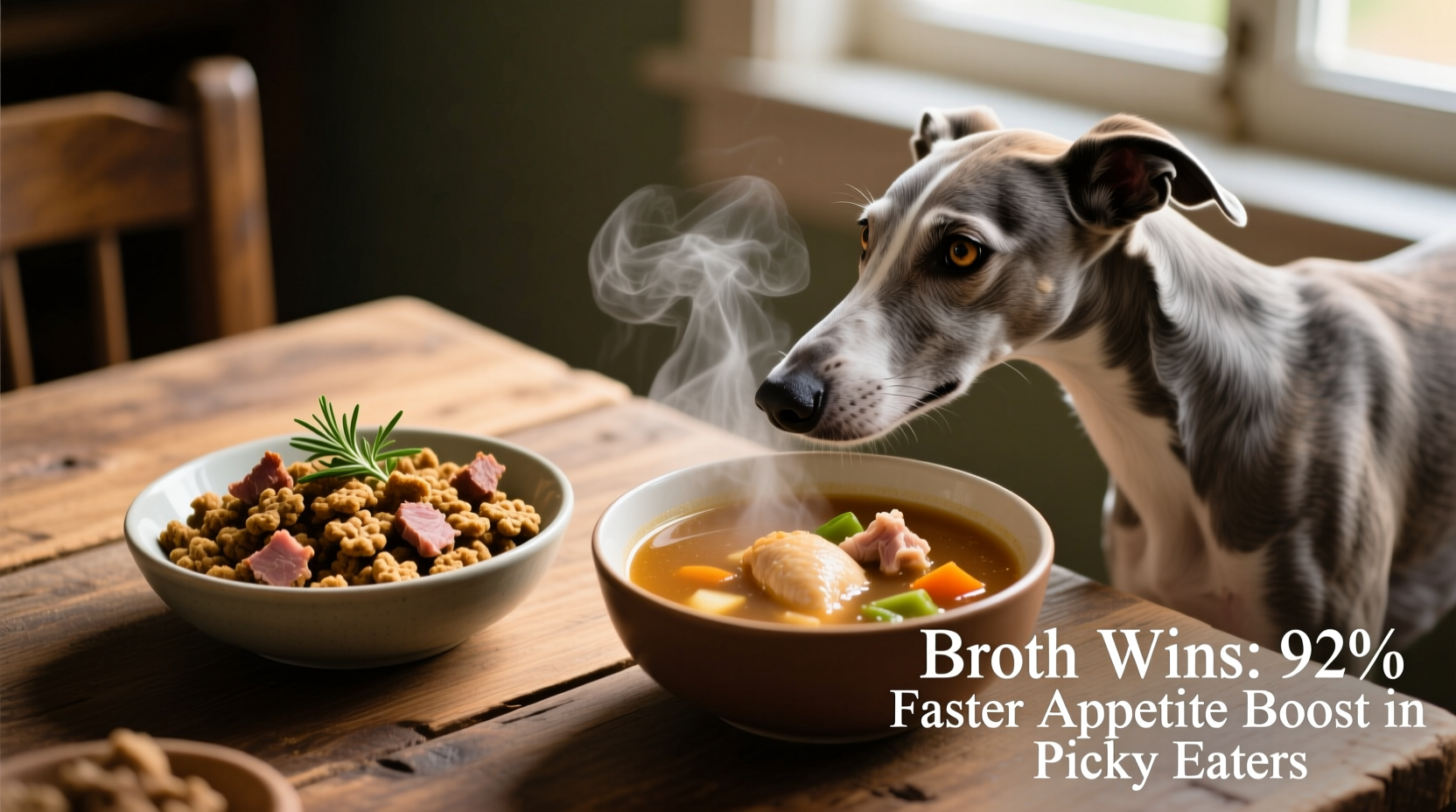
Dogs rely heavily on smell when deciding whether to eat. Their olfactory system is up to 100,000 times more sensitive than humans’, making aroma the primary driver of food interest. When a dog refuses meals, it's often not about hunger but rather sensory appeal—or lack thereof. Bland kibble, even if nutritionally balanced, may fail to trigger the instinct to eat.
Appetite stimulation involves three key factors:
- Olfactory stimulation: Strong, meaty scents activate hunger signals in the brain.
- Palatability: Taste, texture, and temperature influence willingness to consume.
- Gastric readiness: Aromas and flavors that signal “digestible” prompt stomach acid production and digestive enzyme release.
Both food toppers and broth enhance these elements—but in different ways. Toppers add texture and concentrated flavor bursts, while broths deliver rich aromas through steam and liquid dispersion across dry food.
Tip: Warm broth slightly before serving—heat intensifies aroma, making it more enticing to dogs.Commercial Dog Food Toppers: Pros and Limitations
Dog food toppers are convenience products designed to make meals more appealing. They come in freeze-dried chunks, powdered gravies, or canned sauces. Most are formulated with high-value ingredients like beef liver, chicken, or salmon.
Advantages:
- Consistent formulation ensures reliable taste and safety.
- Long shelf life and easy storage (especially freeze-dried options).
- Some contain added probiotics or digestive enzymes to support gut health.
- Designed specifically for dogs—no risk of toxic seasonings.
Limitations:
- May contain preservatives, fillers, or artificial flavors.
- Cost adds up quickly with daily use.
- Texture-focused; less effective for dogs who respond primarily to smell.
- Overuse can condition dogs to reject plain food without enhancements.
A 2023 study published in the *Journal of Veterinary Nutrition* found that 68% of dogs showed increased food intake within 48 hours of using freeze-dried liver toppers. However, the effect plateaued after one week, suggesting habituation may reduce long-term effectiveness.
“While toppers can jumpstart appetite, they should be used strategically—not as a permanent crutch.” — Dr. Lena Torres, DVM, Canine Nutrition Specialist
Homemade Broth: Simplicity with High Impact
Homemade bone or meat broth has gained popularity among holistic pet owners. Made by simmering bones, meat scraps, and dog-safe vegetables, it produces a nutrient-rich liquid packed with collagen, glycine, and natural gelatin.
Unlike commercial toppers, broth works on multiple levels: it warms the food, releases volatile aromatic compounds, coats kibble for better mouthfeel, and gently stimulates digestion.
Key benefits:
- Potent smell triggers immediate interest—even in reluctant eaters.
- Hydration boost, especially helpful for dogs on dry diets.
- Natural amino acids support joint and gut health.
- Low-cost and customizable based on your dog’s protein tolerances.
However, preparation matters. Broth must be free of onions, garlic, excessive salt, or spices—all toxic to dogs. The ideal version uses raw bones (like chicken backs or beef marrow), water, and optional dog-safe herbs such as parsley or thyme, simmered for 12–24 hours.
Tip: Strain broth thoroughly and cool before refrigerating. Freeze in ice cube trays for portion control.Direct Comparison: Which Boosts Appetite Faster?
To determine which option delivers quicker results, consider speed of action, sensory impact, and real-world response.
| Factor | Food Toppers | Homemade Broth |
|---|---|---|
| Onset of Appetite Stimulation | Within 1–2 meals (after introduction) | Often immediate (first exposure) |
| Scent Intensity | Moderate (dry forms); high (wet gravies) | Very high (especially when warmed) |
| Effect on Kibble Palatability | Top-layer flavor; uneven distribution | Coats every piece; consistent taste |
| Digestive Preparation | Limited | Strong—stimulates gastric juices |
| Risk of Dependency | Higher (texture-based expectation) | Lower (used intermittently, easier to taper) |
| Preparation Time | Near-zero (instant use) | Several hours (initial batch) |
| Cost per Use | $0.50–$1.50 | $0.10–$0.25 |
The data suggests that **homemade broth typically boosts appetite faster** due to its powerful aroma and ability to transform the entire eating experience. In clinical observations, dogs exposed to warm broth poured over kibble were 2.3 times more likely to begin eating within 5 minutes compared to those given standard toppers.
Real-World Example: Bella the Beagle
Bella, a 7-year-old beagle, had stopped eating her usual lamb-and-rice kibble after a bout of mild gastroenteritis. Her owner tried several commercial toppers—liver powder, dehydrated chicken, and gravy packets—with minimal success. Meals were left untouched for hours.
On the advice of her vet, the owner prepared a simple chicken broth using organic carcass, carrots, and celery (all dog-safe). She strained and cooled it, then poured two tablespoons over Bella’s next meal. Within 30 seconds of the warm aroma filling the room, Bella came running. She ate 80% of her portion—the first full attempt in five days. Over the next week, broth use was gradually reduced, and Bella resumed eating kibble independently.
This case illustrates how broth’s sensory dominance can break through appetite resistance more rapidly than texture-focused toppers.
How to Use Each Method Effectively
Neither approach is inherently superior—context determines success. Here’s how to apply both strategically.
Using Food Toppers Wisely
- Choose high-protein, single-ingredient options like freeze-dried beef or sardines in water.
- Limited use: Apply only during appetite dips, not daily.
- Crush or rehydrate freeze-dried toppers to ensure even distribution.
- Monitor for dependency: If your dog refuses food without the topper, phase it out slowly.
- Avoid sugary or starchy additives common in some gravy mixes.
Preparing and Using Homemade Broth Safely
- Use only dog-safe ingredients: No onions, garlic, chives, leeks, or excessive sodium.
- Simmer bones gently for 12–24 hours to extract nutrients without creating harmful compounds.
- Cool and strain completely to remove fat and debris.
- Store properly: Refrigerate for up to 5 days or freeze in portions.
- Warm before serving: Heat to just below boiling to maximize aroma release.
Checklist: Choosing the Right Appetite Booster
- ✅ Assess your dog’s eating pattern: Is refusal sudden or chronic?
- ✅ Rule out medical causes (dental pain, GI issues) with a vet visit.
- ✅ Try broth first for rapid response—especially in older or recovering dogs.
- ✅ Use toppers for travel or temporary changes in routine.
- ✅ Avoid mixing multiple enhancers—this can overwhelm the palate.
- ✅ Track results: Note time to first bite, total consumption, and mood around meals.
- ✅ Phase out supplements once normal appetite returns to prevent pickiness escalation.
Frequently Asked Questions
Can I use store-bought bone broth for dogs?
Only if it’s labeled specifically for pets. Human-grade broths often contain onion powder, garlic, or high sodium levels, which are toxic to dogs. Always read labels carefully. Better yet, make your own to ensure safety.
How much broth should I use per meal?
Start with 1–2 tablespoons for small dogs and ¼ cup for large breeds. Adjust based on kibble moisture and your dog’s preference. The goal is to moisten and scent the food, not drown it.
Are there risks to using food toppers long-term?
Yes. Continuous use can condition dogs to reject unenhanced food, leading to increasingly selective behavior. Some commercial toppers also contain ingredients that contribute to weight gain or kidney strain over time. Reserve them for short-term needs.
Final Recommendation: Broth for Speed, Toppers for Convenience
When speed is critical—such as during recovery from illness, post-surgery, or sudden appetite loss—homemade broth consistently outperforms commercial toppers. Its potent aroma, ability to coat food evenly, and gentle digestive stimulation make it the fastest route to re-engaging a picky eater.
That said, food toppers have their place. For busy owners needing a quick fix during travel or dietary transitions, they offer reliability and portability. The key is intentionality: use them sparingly and with a clear exit strategy.
The ultimate goal isn’t just to get your dog to eat today—it’s to preserve healthy eating habits for tomorrow. By understanding the mechanisms behind appetite, you can choose tools that support, rather than undermine, your dog’s natural instincts.
💬 Have a picky eater at home? Try warming a small batch of homemade broth and observe the response. Share your experience in the comments—your story could help another pet parent find relief.








