Dogs are naturally curious creatures, and their exploratory behavior often includes sniffing, licking, and even eating things they shouldn’t—like grass, dirt, or leaves. While occasional leaf consumption might seem harmless, repeated or excessive ingestion can raise concerns among pet owners. Understanding why dogs eat leaves, recognizing when it’s normal versus problematic, and knowing when to seek veterinary help are essential for responsible pet care.
This guide explores the behavioral, nutritional, and medical reasons behind this habit, outlines warning signs, and provides practical steps you can take to ensure your dog stays healthy and safe.
Common Reasons Dogs Eat Leaves
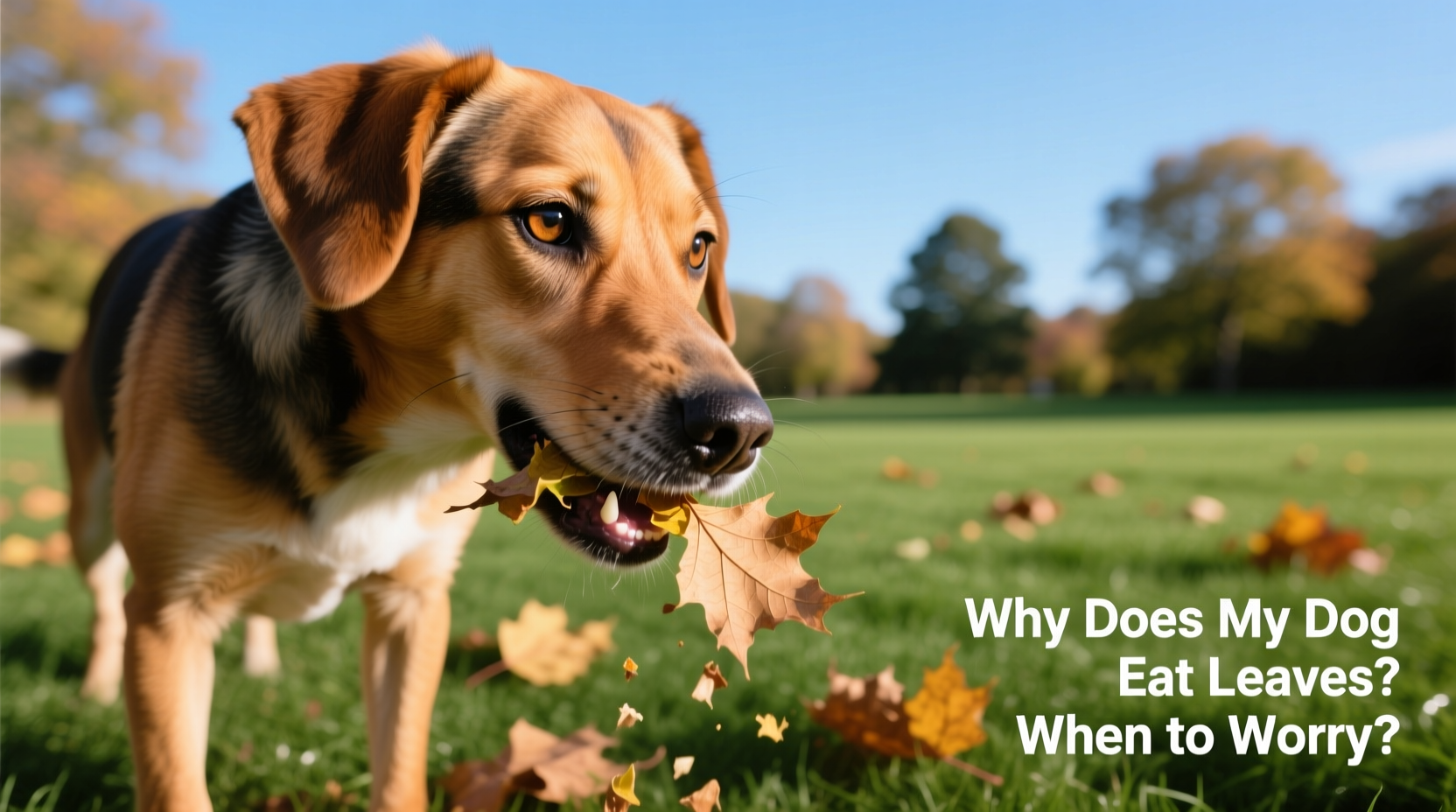
Dogs don’t typically eat leaves for sustenance, but various underlying motivations drive this behavior. Some are instinctual, while others may signal unmet needs or health issues.
- Natural Foraging Instinct: Dogs descend from wolves, which consumed plant matter through the stomach contents of prey. Modern dogs may retain this instinct to nibble on vegetation.
- Boredom or Understimulation: A dog left alone in a yard with little mental or physical engagement may resort to chewing leaves out of boredom.
- Taste and Texture: Some dogs simply enjoy the sensation of crunching leaves, especially during autumn when fallen foliage is abundant.
- Dietary Deficiency: Though rare in dogs fed balanced commercial diets, some may seek fiber or micronutrients missing in their food.
- Upset Stomach: Similar to eating grass, dogs may consume leaves to induce vomiting if they feel nauseous or have gastrointestinal discomfort.
When Leaf-Eating Becomes a Concern
Occasional leaf munching is usually not dangerous, but certain patterns should prompt closer attention. The key is observing frequency, volume, and accompanying symptoms.
Worrisome behaviors include:
- Eating large quantities of leaves regularly
- Showing signs of distress (vomiting, diarrhea, lethargy)
- Attempting to eat toxic plants or chemically treated foliage
- Sudden onset of the behavior without environmental changes
“While mild plant consumption is normal, persistent or obsessive eating of non-food items like leaves could indicate pica—a condition linked to anxiety, malnutrition, or gastrointestinal disease.” — Dr. Lena Peterson, DVM, Small Animal Behavior Specialist
Toxicity Risks: What Leaves Are Dangerous?
Not all leaves are created equal. Many common garden and wild plants contain compounds toxic to dogs. Ingestion—even in small amounts—can lead to serious illness.
| Plant | Common Name | Risk Level | Potential Symptoms |
|---|---|---|---|
| Rhododendron spp. | Rhododendron, Azalea | High | Vomiting, drooling, weakness, coma |
| Ilex spp. | Holly | Moderate-High | Gastrointestinal upset, dehydration |
| Aesculus hippocastanum | Horse Chestnut | High | Vomiting, diarrhea, seizures |
| Lonicera spp. | Honeysuckle | Moderate | Vomiting, diarrhea, respiratory issues |
| Quercus spp. | Oak (especially acorns and young leaves) | Moderate | Kidney damage, abdominal pain |
If your dog has access to any of these plants—or you’re unsure about local flora—take steps to limit exposure. Remove hazardous plants from your yard or use fencing to restrict access.
Step-by-Step Guide: What to Do If Your Dog Eats Leaves
Follow this timeline to assess risk and respond appropriately:
- Observe the Behavior: Note how much was eaten, the type of leaf, and whether vomiting or chewing was involved.
- Identify the Plant: Take a photo or sample (without endangering yourself) to show your vet.
- Check for Symptoms: Watch for vomiting, diarrhea, drooling, lack of appetite, or unusual lethargy within 2–12 hours.
- Contact Your Veterinarian: Call your vet or an animal poison control hotline (e.g., ASPCA Poison Control) with details.
- Follow Medical Advice: Depending on the plant and symptoms, your vet may recommend monitoring at home, inducing vomiting, or bringing your dog in for treatment.
- Prevent Future Incidents: Once resolved, evaluate your dog’s diet, enrichment, and outdoor safety to prevent recurrence.
Mini Case Study: Max, the Labrador Who Loved Oak Leaves
Max, a 3-year-old Labrador Retriever, began eating oak leaves every time he went into the backyard. His owner, Sarah, initially dismissed it as quirky behavior. But after two weeks, Max started vomiting and became unusually quiet.
Sarah brought him to the vet, who discovered elevated kidney enzyme levels. After learning about Max’s leaf-eating habit, the vet suspected tannin toxicity from oak leaves. Max was hospitalized for fluid therapy and supportive care. He recovered fully, but Sarah removed the oak tree’s lower branches and installed a play zone with toys to redirect his attention.
This case highlights how seemingly minor habits can escalate if left unchecked—especially when toxic plants are involved.
Checklist: Is Your Dog’s Leaf-Eating Normal or a Red Flag?
Use this checklist to assess your dog’s behavior:
- ✅ Only eats leaves occasionally and in small amounts
- ✅ No vomiting, diarrhea, or lethargy afterward
- ✅ Has access only to non-toxic plants
- ✅ Enjoys plenty of exercise and mental stimulation
- ✅ Eats a high-quality, balanced diet
- ❌ Frequently consumes large amounts of leaves
- ❌ Shows signs of illness after eating foliage
- ❌ Chews on unknown or potentially toxic plants
- ❌ Displays obsessive or compulsive behaviors
- ❌ Recently changed diet or routine
If three or more “❌” items apply, consult your veterinarian promptly.
Frequently Asked Questions
Is it safe for dogs to eat tree leaves?
It depends on the type of tree. Leaves from maple, birch, or beech trees are generally non-toxic in small amounts. However, leaves from oak, rhododendron, holly, or yew trees are toxic and should be avoided. Always verify the species before assuming safety.
Can eating leaves cause intestinal blockage?
Yes, though rare. Large volumes of fibrous plant material can clump together and obstruct the digestive tract, especially in small breeds. Signs include persistent vomiting, inability to defecate, and abdominal pain. Immediate veterinary attention is required.
How can I stop my dog from eating leaves?
Start by ensuring your dog gets enough physical and mental exercise. Use positive reinforcement training to redirect the behavior. Leash walks in controlled environments help prevent unsupervised grazing. Finally, remove or block access to toxic plants in your yard.
Conclusion: Know the Norms, Spot the Warning Signs
Dogs eating leaves isn’t always alarming, but it shouldn’t be ignored—especially when done frequently or accompanied by other symptoms. By understanding the root causes, identifying potential dangers, and taking preventive measures, you can protect your dog’s health and peace of mind.
Monitor your dog’s habits closely, act quickly when something seems off, and never hesitate to consult a professional. Your vigilance today could prevent a serious issue tomorrow.
💬 Have a story about your dog eating leaves or plants? Share your experience or questions in the comments below—your insight could help another pet owner stay informed and prepared.








