Dog owners of heavy droolers—think Newfoundlands, Saint Bernards, Bulldogs, or Mastiffs—know the struggle all too well. Slobber isn't just messy; it can lead to skin irritation, stained furniture, and constant laundry. Enter two popular solutions: the dog drool bib and the traditional bandana. While both aim to manage excess saliva, they differ significantly in design, function, and effectiveness. So which one actually stops the slobber? Let’s break down the science, practicality, and real-world performance of each.
Understanding the Problem: Why Dogs Drool Excessively
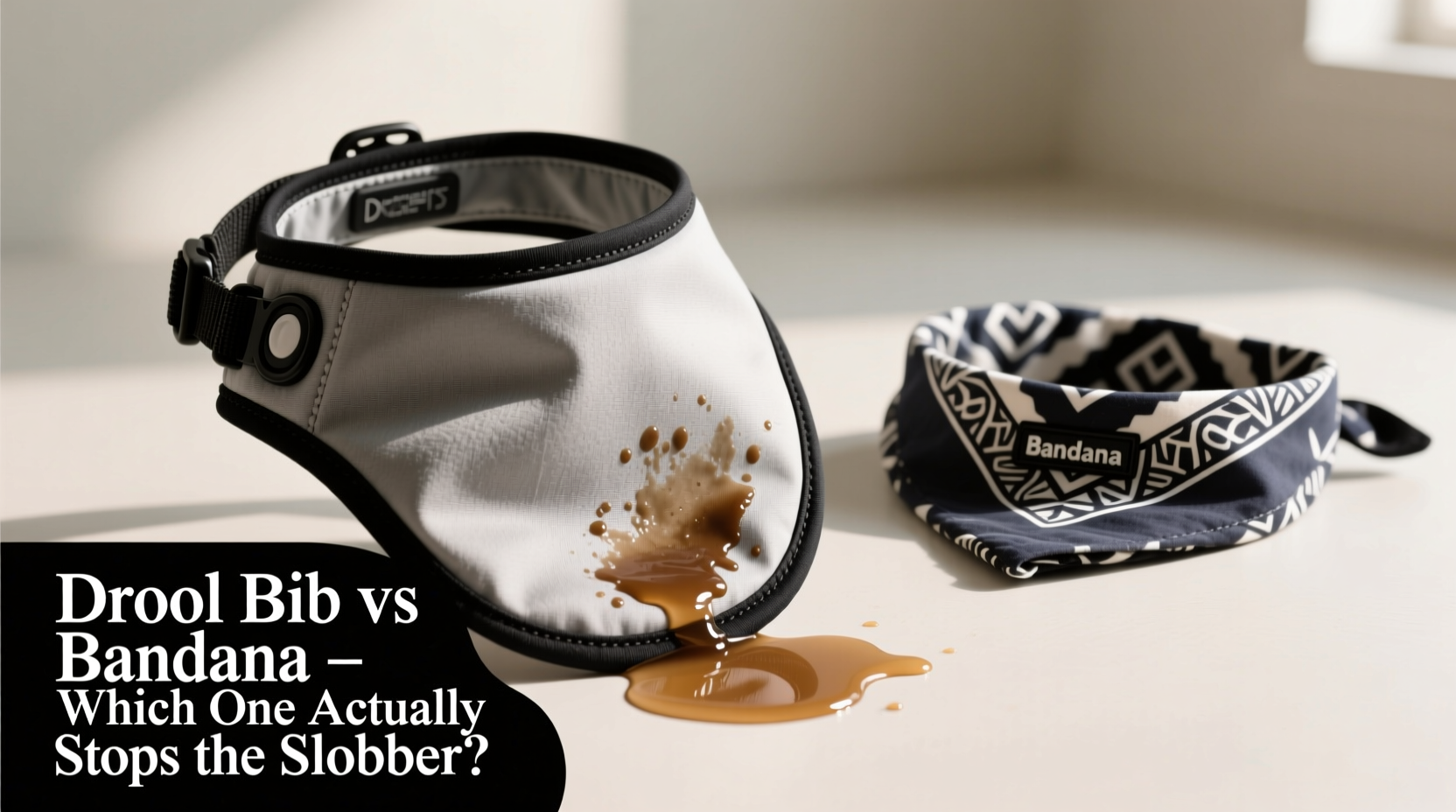
Not all dogs drool equally. Some breeds are genetically predisposed to excessive salivation due to loose jowls, short muzzles, or deep facial folds. Bulldogs and Pugs, for instance, have brachycephalic (short-nosed) anatomy that traps moisture and limits efficient swallowing. Larger breeds like Bloodhounds and Newfoundlands naturally produce more saliva during eating, excitement, or even anticipation of food.
While drooling is normal, unmanaged slobber can cause:
- Skin infections from constant moisture under the chin
- Foul odors from bacterial growth on damp fur
- Stained carpets, floors, and furniture
- Increased laundry load for pet owners
That’s where drool management gear comes in—but not all gear is created equal.
Drool Bibs: Designed for Function
A dog drool bib is a purpose-built accessory designed specifically to catch and absorb saliva before it drips onto the floor or soaks into your dog’s fur. Most feature:
- High-absorbency inner layers (often microfiber or bamboo)
- Water-resistant backing to protect the dog’s chest
- Adjustable neck straps or Velcro closures
- Extended coverage from chin to upper chest
Bibs are engineered with containment in mind. Their shape typically follows the jawline and extends downward like an apron, maximizing surface area for catching drool at the source. Many models include multiple layers to wick moisture away and prevent leaks.
“Drool bibs offer targeted protection by intercepting saliva before it spreads. For breeds with chronic moisture buildup, this can reduce skin fold dermatitis by up to 60%.” — Dr. Lena Reyes, Veterinary DermatologistTip: Look for drool bibs with removable inserts or machine-washable fabric to simplify cleaning and extend product life.
Bandanas: Style Over Substance?
Bandanas are the classic choice—stylish, widely available, and often used for fashion or identification. Tied around the neck in a triangle fold, they drape under the chin and can absorb some drool. However, their design wasn’t intended for high-volume moisture control.
Limited by size and placement, most bandanas only cover a small portion of the lower jaw. Once saturated, they become ineffective and may even worsen irritation by trapping wet fabric against the skin. Cotton bandanas, while soft, lack advanced wicking properties and dry slowly.
That said, upgraded versions exist. Some brands now sell “super absorbent” bandanas made with hydrophilic fabrics or layered construction. But even these rarely match the coverage and retention capacity of a dedicated bib.
Head-to-Head Comparison: Bib vs Bandana
| Feature | Drool Bib | Bandana |
|---|---|---|
| Absorbency | High – multi-layered, quick-drying materials | Low to moderate – depends on fabric thickness |
| Coverage | Full chin-to-chest protection | Limited under-chin area |
| Fit Stability | Secure with adjustable straps or snaps | Loose tie; may slip or loosen |
| Skin Protection | Yes – prevents prolonged moisture contact | Rarely – can trap moisture if not changed |
| Style Options | Growing variety, but functional focus | Extensive colors, patterns, and themes |
| Best For | Heavy droolers, outdoor use, meal times | Light droolers, casual wear, photo ops |
Real-World Test: A Day with Max the Newfoundland
Max, a 150-pound Newfoundland, drools up to half a liter of saliva per day, especially after drinking water or during walks. His owner, Sarah, tested both a drool bib and a thick cotton bandana over a week.
During breakfast, the bandana soaked through within 10 minutes. Drool pooled on the floor, and Max began pawing at his neck due to discomfort. The same meal with a drool bib resulted in no floor mess and no signs of irritation. On walks, the bib stayed securely in place, while the bandana slipped sideways twice, reducing its effectiveness.
Sarah noted: “The bib looks less ‘cute,’ but it actually works. I’m doing fewer laundry loads, and Max’s chin rash has improved dramatically.”
How to Choose the Right Solution
The answer to “which one actually stops the slobber?” depends on your dog’s needs and lifestyle. Use this checklist to decide:
- Assess drool volume: Does your dog leave puddles or just occasional drips?
- Check for skin issues: Is there redness, odor, or matting under the chin?
- Consider daily routine: Will the accessory be worn during meals, walks, or indoors?
- Evaluate comfort: Does your dog tolerate wearing something around the neck?
- Think about maintenance: How often are you willing to wash the item?
Step-by-Step: Maximizing Drool Control
- Choose the right product: For heavy droolers, start with a bib featuring moisture-wicking fabric.
- Ensure proper fit: The bib should sit snugly under the chin without restricting breathing.
- Use during peak drool times: Put it on before meals, water breaks, or car rides.
- Monitor skin condition: Remove the bib periodically to check for chafing or trapped moisture.
- Wash regularly: Clean after each heavy use to prevent bacterial buildup and odor.
FAQ: Common Questions About Drool Management
Can a bandana completely stop drooling?
No accessory can stop drooling entirely—saliva production is natural. However, a bandana can absorb light drool. For heavy droolers, it’s insufficient as a standalone solution.
Are drool bibs safe for long-term wear?
Yes, if properly fitted and monitored. Avoid leaving any neckwear on unsupervised dogs. Check every few hours for irritation, especially in hot weather.
Do drool bibs work for anxious dogs who drool more when stressed?
They help manage the symptom (excess saliva), but addressing the root cause—stress—is essential. Combine bib use with behavioral training or vet-recommended calming techniques.
Final Verdict: Bib Wins for Performance, Bandana for Style
If your priority is stopping slobber—genuinely reducing mess, protecting your dog’s skin, and minimizing cleanup—a drool bib is the superior choice. It outperforms bandanas in absorbency, fit, and functional design. It’s engineered for the job.
Bandanas still have their place—especially for light droolers or as a fashionable accent. But for serious slobber control, they fall short. Think of them as decorative handkerchiefs rather than functional raincoats.
For best results, consider owning both: a high-performance bib for mealtime and outings, and a stylish bandana for low-drool moments and social media photos.
💬 Have a drooly dog? Share your favorite bib brand or bandana hack in the comments below! Your experience could help another pet parent stay dry and sane.








