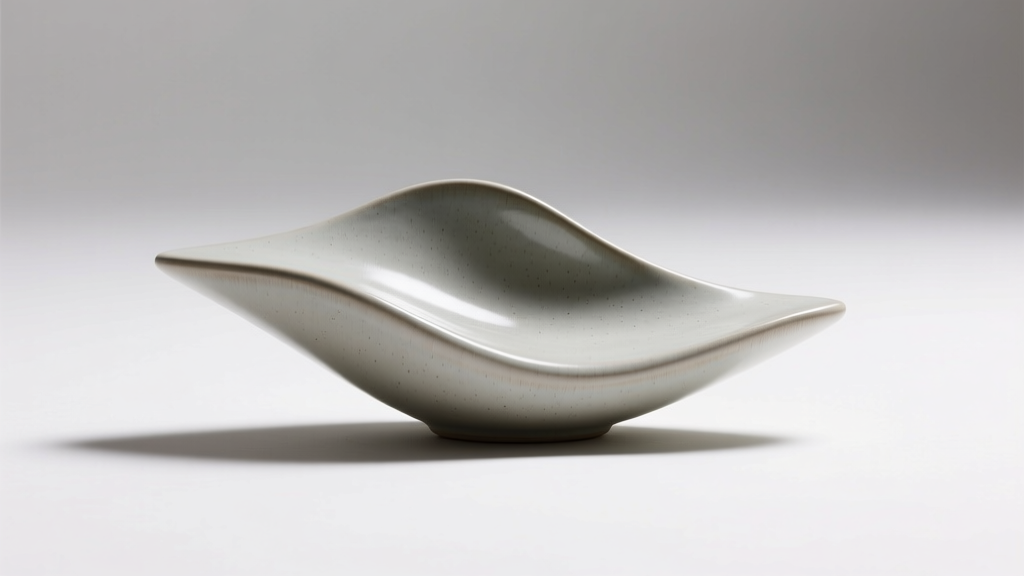
Types of Dog Dishes: A Comprehensive Guide
Dog bowls at Walmart come in many varieties, each thoughtfully designed to meet the diverse needs of dogs and their owners. From material composition to functional design, every type of dog dish serves a specific purpose—ensuring safer, cleaner, and more enjoyable feeding experiences.
Choosing the right bowl can significantly impact your pet's health, comfort, and eating habits. Below is a detailed breakdown of the most common types of dog dishes available, including their benefits, ideal use cases, and key considerations.
Dog Food and Water Bowls
The most essential feeding tools, these standard bowls are used daily to serve meals and fresh water. Available in materials like stainless steel, ceramic, plastic, and glass, they vary in durability, hygiene, and ease of cleaning.
Advantages
- Widely available and affordable
- Easy to clean and replace
- Stainless steel resists bacteria and odors
- Ceramic offers a stylish, heavy-duty option
Limitations
- Plastic may harbor bacteria over time
- Ceramic can break if dropped
- Basic designs may not suit all dog sizes or needs
Best for: Everyday use, puppies, small to medium dogs, indoor feeding stations
Dog Travel Bowls
Compact and portable, these collapsible or foldable bowls are perfect for outdoor adventures. Designed for convenience, they easily fit in backpacks, car trunks, or pet carriers.
Advantages
- Lightweight and highly portable
- Spill-resistant and quick to deploy
- Often made from food-grade silicone or nylon
- Easy to clean on the go
Limitations
- Less stable than fixed bowls
- Limited capacity for large breeds
- May require support to stay upright
Best for: Hiking, road trips, park visits, and outdoor activities
Interactive Feeders & Slow Feed Bowls
Specially engineered to slow down fast eaters, these bowls feature mazes, ridges, or puzzle-like compartments that make dogs work for their food—promoting mental stimulation and healthier digestion.
Advantages
- Reduces risk of bloat and indigestion
- Encourages mindful eating
- Provides mental enrichment
- Helps with portion control
Limitations
- May frustrate some dogs initially
- Harder to clean due to complex design
- Not ideal for liquidy or wet foods
Best for: Rapid eaters, anxious dogs, breeds prone to bloat (e.g., Great Danes, Boxers)
Elevated Bowls
Mounted on stands or frames, elevated bowls raise food and water dishes to a comfortable height. This reduces neck strain and improves posture, especially beneficial for large or senior dogs.
Advantages
- Improves digestion and swallowing
- Reduces joint and neck strain
- Better ergonomics for large breeds
- Often adjustable in height
Limitations
- Can be bulky and less portable
- Potential risk of bloat if misused (consult vet)
- Higher price point than standard bowls
Best for: Large breeds (e.g., German Shepherds, Labs), older dogs, dogs with arthritis
Automatic Feeders & Water Fountains
Smart feeding solutions that automate meal times or provide continuous access to fresh, filtered water. These are ideal for busy pet owners or multi-pet households.
Advantages
- Consistent feeding schedule
- Reduces owner dependency
- Water fountains encourage hydration
- Some models offer app control and portion tracking
Limitations
- Requires electricity or batteries
- Higher upfront cost
- Needs regular maintenance and cleaning
Best for: Working pet owners, households with multiple pets, dogs with strict dietary routines
Non-Spill & Anti-Skid Bowls
Engineered to stay in place and minimize mess, these bowls feature rubber bases, weighted bottoms, or raised rims to prevent sliding and splashing during meals.
Advantages
- Keeps feeding area clean
- Reduces noise from sliding bowls
- Ideal for enthusiastic eaters
- Many are dishwasher safe
Limitations
- May not work on very slick surfaces
- Heavier designs can be harder to move
- Limited aesthetic variety
Best for: Active dogs, homes with hard floors, puppies learning to eat neatly
| Type | Best For | Material Commonly Used | Durability | Special Features |
|---|---|---|---|---|
| Food & Water Bowls | Daily feeding | Stainless steel, ceramic, plastic | Medium to High | Basic, hygienic, easy to replace |
| Travel Bowls | On-the-go feeding | Silicone, nylon | Medium | Collapsible, lightweight, portable |
| Slow Feed Bowls | Fast eaters | Plastic, silicone, stainless steel | High | Puzzle design, promotes digestion |
| Elevated Bowls | Large/senior dogs | Stainless steel, plastic, wood | High | Ergonomic, posture support |
| Automatic Feeders/Fountains | Busy owners | Plastic, silicone, electronic components | Medium (with maintenance) | Timed dispensing, filtration |
| Non-Spill & Anti-Skid | Mess prevention | Plastic with rubber base | Medium to High | Stable, quiet, floor-protective |
Expert Tip: For dogs with sensitive skin or allergies, opt for stainless steel or ceramic bowls—these are non-porous and less likely to cause "chin acne" or bacterial buildup compared to plastic alternatives.
Pro Tip: Always match the bowl size to your dog’s breed and eating style. A large dog needs a wider, deeper bowl, while small breeds benefit from shallow, low-profile dishes to avoid whisker stress.
Essential Features of Dog Dishes: Choosing the Right Bowl for Your Pet
Dog dishes are more than just simple feeding tools—they play a crucial role in your pet’s health, comfort, and daily routine. From Dutch dog bowls to modern slow-feeders, the variety available today allows pet owners to select options tailored to their dog’s size, breed, eating behavior, and lifestyle. Understanding the key features of dog bowls helps ensure you choose a safe, durable, and practical option that enhances your pet’s mealtime experience.
Key Features to Consider When Choosing a Dog Bowl
Size and Capacity
The ideal dog bowl size is directly influenced by your pet’s breed, age, and dietary needs. Large breeds such as Labradors or Great Danes require deep, wide bowls with high capacity to hold ample food and water without frequent refills. In contrast, small breeds like Chihuahuas or Pomeranians benefit from shallow, compact bowls that are easier to access and less likely to overwhelm them.
Proper capacity ensures hydration and nutrition are consistently available, especially for active dogs. Overfilling a small bowl can discourage eating, while undersized bowls for large dogs lead to mess and inconvenience. Consider adjustable or dual-compartment bowls for pets needing both food and water simultaneously.
Material Composition
The material of a dog bowl significantly affects its durability, safety, and ease of maintenance. Common materials include:
- Stainless Steel: Highly durable, resistant to rust and chewing, easy to clean, and non-porous—ideal for dogs with allergies.
- Ceramic: Stylish and heavy (reduces tipping), often comes in decorative finishes. However, it can crack if dropped and may contain lead in low-quality versions.
- Plastic: Lightweight and budget-friendly, but prone to scratches where bacteria like Salmonella can grow. Always opt for BPA-free plastic to avoid chemical leaching.
- Glass: Non-porous and hygienic, excellent for sensitive dogs. Fragile and heavy, so best used in controlled environments.
Design and Shape
Dog bowls come in a wide array of shapes and designs, ranging from classic round models to square, oval, or ergonomic styles. The shape can influence how easily your dog accesses food and whether the bowl resists tipping.
Elevated or tilted bowls support better posture, especially for large or senior dogs, reducing strain on the neck and joints. Some designs incorporate aesthetic elements like colorful glazes or artistic patterns, allowing the bowl to blend seamlessly with home décor. For space-limited areas, compact or corner-fit designs maximize utility without sacrificing style.
Easy to Clean & Dishwasher Safe
Maintaining hygiene is essential to prevent bacterial buildup, mold, and unpleasant odors. Bowls that are dishwasher safe offer a convenient way to ensure thorough sanitization. Stainless steel and glass are typically top-rack dishwasher safe, while some ceramics and plastics may warp or degrade over time.
Look for bowls with smooth, seamless interiors—no crevices or joints where food particles can accumulate. Removable parts (such as silicone bases or lids) should also be easy to clean. Regular washing with pet-safe detergents helps maintain long-term cleanliness and safety.
Stability and Non-Slip Base
Active or enthusiastic eaters often push or slide their bowls across the floor, creating messes and frustration. A stable dog dish with a non-slip rubber base prevents this movement, keeping the bowl securely in place during meals.
Heavier materials like ceramic or weighted stainless steel naturally resist tipping. For lighter bowls, integrated silicone rings or suction bases enhance grip on tile, wood, or laminate surfaces. This feature is especially beneficial for households with energetic puppies or breeds prone to "bowl surfing."
Interactive & Slow Feeder Features
Fast eaters are at risk of choking, indigestion, and gastric dilatation-volvulus (bloat), a life-threatening condition. Slow feeder bowls are designed with raised patterns, ridges, mazes, or obstacles that force dogs to eat more slowly by navigating around barriers.
These interactive bowls not only promote healthier digestion but also provide mental stimulation, turning mealtime into an engaging activity. Ideal for breeds like Beagles, Boxers, or Huskies known for rapid eating, slow feeders can reduce anxiety and improve overall feeding behavior.
| Feature | Best For | Recommended Options |
|---|---|---|
| Large Capacity (4+ cups) | Large breeds, outdoor use | Stainless steel double bowls, elevated feeders |
| BPA-Free Plastic | Budget-conscious owners, temporary use | Lightweight travel bowls, disposable options |
| Non-Slip Base | Active dogs, hardwood floors | Rubber-grip stainless steel, weighted ceramic |
| Slow Feeder Design | Fast eaters, anxious dogs | Maze-style bowls, puzzle feeders |
| Dishwasher Safe | Busy owners, multi-pet homes | Stainless steel, tempered glass, high-grade ceramic |
Additional Considerations
Important: Avoid low-quality plastic or painted ceramic bowls that may contain harmful chemicals or lead. Always supervise your pet with new bowls, especially interactive or elevated models. Replace cracked, chipped, or heavily scratched bowls immediately to prevent injury or bacterial contamination. Choosing the right dog dish enhances your pet’s well-being and makes feeding time safer, cleaner, and more enjoyable.
How to Choose Dog Dishes: A Complete Guide for Pet Owners
Selecting the right dog dish is more than just picking a bowl—it’s about ensuring your pet’s health, comfort, and long-term well-being. With so many options available, from materials to design features, making an informed decision can significantly improve your dog’s feeding experience. This guide breaks down the key considerations to help you choose the perfect dog dish tailored to your pet’s breed, size, lifestyle, and preferences.
Dog Size, Breed & Preferences
Different breeds have unique feeding needs based on their size, jaw structure, and eating behavior. Large breeds like Great Danes or Labradors benefit from deep, wide, and sturdy bowls that can hold larger portions and withstand enthusiastic eating. These dogs often do better with manually operated or elevated feeders that support proper posture during meals.
- Small breeds such as Chihuahuas or Pomeranians prefer shallow, petite bowls that match their smaller muzzles and nibbling habits
- Brachycephalic (flat-faced) breeds like Bulldogs or Pugs may need specially designed slow-feed or raised bowls to avoid strain while eating
- Some dogs are material-sensitive—many avoid plastic due to taste, odor retention, or allergies, preferring stainless steel, ceramic, or food-grade silicone
Key insight: Observe your dog’s eating habits—do they knock over the bowl? Lick only from one side? Refuse to eat from certain materials? These clues guide ideal bowl selection.
Bowl Height & Ergonomics
Feeding at ground level isn’t always ideal, especially for large, senior, or arthritic dogs. Constantly bending down can cause neck strain, joint pain, and even contribute to digestive issues like bloating in deep-chested breeds.
- Elevated feeders raise the bowl to chest level, promoting a more natural head and spine alignment during meals
- Recommended for large and giant breeds (e.g., German Shepherds, Mastiffs) and older dogs with mobility issues
- Adjustable-height stands allow customization as puppies grow or accommodate multi-dog households
Veterinarian note: While elevated feeders improve comfort, consult your vet before use in breeds prone to bloat (e.g., Great Danes), as some studies suggest a potential link between raised feeding and increased GDV risk.
Cleanliness & Maintenance
Hygiene is critical—dog bowls accumulate bacteria, saliva, and food residue, which can lead to infections, bad breath, or "canine acne." Choosing easy-to-clean materials makes daily maintenance simpler and safer.
- Stainless steel and glazed ceramic are non-porous, resistant to scratches, and easy to sanitize—ideal for frequent washing
- Plastic bowls can harbor bacteria in microscopic cracks over time and may leach chemicals; frequent replacement is advised
- Dishwasher-safe bowls save time and ensure thorough cleaning—look for models labeled top-rack safe
Pro tip: Clean your dog’s bowl daily with hot, soapy water and disinfect weekly to prevent biofilm buildup.
Spill-Proof & Non-Skid Design
Messy eaters and energetic dogs can turn mealtime into a cleanup challenge. Spills and sliding bowls create slippery floors and waste food—both frustrating and unhygienic.
- Non-slip rubber bases or weighted bottoms keep bowls stable on tile, wood, or laminate flooring
- Wide, low-center-of-gravity designs resist tipping even during vigorous feeding
- Some bowls feature raised rims or splash guards to contain liquids and wet food
- Slow-feed bowls with internal obstacles reduce gulping and minimize mess for fast eaters
Smart choice: Combine non-skid features with a catch tray or mat to contain spills and simplify cleanup.
Portability & Travel-Friendly Options
Whether you're hiking, camping, or visiting the vet, portable dog bowls ensure your pet stays fed and hydrated on the go.
- Collapse or foldable silicone bowls pack into a pocket or bag and pop open when needed
- Lightweight, durable materials like food-grade silicone or nylon make travel bowls practical and safe
- Many include carabiners or clips for attaching to backpacks or leashes
- Double bowls for food and water offer convenience during extended outings
Travel essential: Choose spill-resistant, leak-proof models with secure lids for maximum convenience.
Durability & Material Quality
The best dog dish withstands daily use, chewing, and accidental drops. Material choice directly impacts longevity, safety, and value.
- Stainless steel: Highly durable, rust-resistant, and hygienic—ideal for most dogs, especially chewers
- Ceramic: Heavy and stable, with an attractive finish; ensure it’s lead-free and has a non-slip base
- Plastic: Affordable and lightweight but prone to scratching and odor retention—best for temporary or outdoor use
- Silicone: Flexible and safe, especially for collapsible or puppy bowls; opt for food-grade, BPA-free versions
Long-term value: Investing in a high-quality, durable bowl reduces replacements and supports your dog’s health.
Expert Recommendation: For most households, a stainless steel bowl with a non-slip base offers the best balance of durability, hygiene, and ease of cleaning. Pair it with an elevated stand if you have a large or aging dog. For picky eaters or those with sensitivities, test different materials to see what your dog responds to best. Always prioritize function and safety over aesthetics.
| Dog Profile | Recommended Bowl Type | Best Material | Key Features |
|---|---|---|---|
| Large Breed (e.g., Golden Retriever) | Elevated double bowl | Stainless steel | Non-slip base, raised height, dishwasher-safe |
| Small Breed (e.g., Shih Tzu) | Shallow feeding bowl | Ceramic or stainless steel | Low profile, lightweight, easy to clean |
| Senior or Arthritic Dog | Adjustable-height feeder | Stainless steel | Ergonomic height, stable base, joint-friendly |
| Travel Enthusiast | Collapse silicone bowl | Food-grade silicone | Portable, lightweight, spill-resistant |
| Fast Eater / Gulper | Slow-feed puzzle bowl | Stainless steel or BPA-free plastic | Baffles or maze design, reduces bloating risk |
Additional Considerations
- Multi-Pet Households: Use color-coded or labeled bowls to avoid food mix-ups and reduce competition
- Allergies & Sensitivities: Stainless steel and ceramic are hypoallergenic and less likely to cause reactions
- Puppy Growth: Consider adjustable or growth-stage-specific bowls to accommodate changing needs
- Aesthetics & Home Integration: Modern bowls come in stylish designs that blend with home decor—without sacrificing function
- Environmental Impact: Opt for recyclable materials like stainless steel or biodegradable silicone to reduce waste
DIY Dog Bowl Holder & Mat: Budget-Friendly, Custom Solutions for Pet Owners
Purchasing a high-quality pet feeding station can be surprisingly expensive, especially when you factor in both the bowl holder and a spill-resistant mat. The good news? With a few basic tools and some creative repurposing, you can build a durable, customized dog bowl setup at a fraction of the retail cost. This comprehensive guide walks you through creating a sturdy wooden bowl holder—either freestanding or wall-mounted—and pairing it with a functional, easy-to-clean mat using affordable or upcycled materials. Whether you're a seasoned DIYer or a beginner, these projects are simple, practical, and perfect for improving your pet’s dining area.
Safety Note: Always wear safety goggles and gloves when cutting wood or handling adhesives. Ensure any wall-mounted unit is securely anchored into wall studs or using heavy-duty drywall anchors rated for the expected load. Keep tools and materials out of reach of pets during construction.
Step 1: Build a Sturdy Wooden Bowl Holder
A well-constructed bowl holder keeps your dog’s dishes stable, reduces spills, and elevates them to a comfortable height—especially beneficial for large or senior dogs. Follow these steps to create a custom base.
- Choose the Right Wood: Use medium-density fiberboard (MDF) or exterior-grade plywood. These materials are affordable, easy to cut, and resistant to moisture when sealed properly.
- Measure Your Bowls: Determine the diameter of your dog’s bowls. Add 1–2 inches to each side for clearance and stability.
- Cut the Pieces:
- Base: Cut one rectangular piece (e.g., 12" x 8") to serve as the foundation.
- Sides: Cut two identical rectangular pieces (e.g., 6" x 8") to act as the upright supports.
- Drill Bowl Holes: Mark the center points on the base where the bowls will sit. Use a hole saw or jigsaw to cut circular openings slightly larger than the bowl base to allow for easy insertion and removal.
- Assemble the Frame: Attach the side pieces to the base using wood glue and screws for maximum durability. Clamp the pieces together while the glue dries for a tight bond.
- Finish and Seal: Sand all edges smooth. Apply a pet-safe, water-resistant finish such as food-grade mineral oil, non-toxic wood varnish, or waterproof paint to protect against spills and daily wear.
Step 2: Convert to a Wall-Mounted Feeding Station
Save floor space and keep the feeding area tidy by mounting your bowl holder on the wall—ideal for small homes or multi-pet households.
- After assembling the holder, attach a vertical back panel (cut from the same wood) to the rear of the base and side pieces.
- Position the unit at your dog’s shoulder height for ergonomic eating. Mark the wall where the mounting screws will go.
- Secure the back panel to wall studs using heavy-duty screws or toggle bolts. If studs aren’t aligned, use drywall anchors rated for at least 20 lbs per anchor.
- Double-check stability by gently tugging on the unit before placing bowls inside.
- For added safety, consider using L-brackets on the bottom edge to prevent tipping.
Step 3: Craft a DIY Spill-Resistant Mat from Upcycled Materials
A feeding mat protects your floors from water, food scraps, and paw prints. Instead of buying one, repurpose household items into a functional, eco-friendly solution.
- Old Kitchen Rugs: Durable and machine-washable, these provide excellent grip and absorbency. Trim to fit the bowl area and clean regularly to prevent odors.
- Rubber Matting: Cut from an old floor mat, gym pad, or even a worn-out doormat. Rubber is naturally non-slip and easy to wipe down with a damp cloth.
- Repurposed Towels: Thick, absorbent towels (like bath or beach towels) work well for catching drips. Lay flat under the bowls and launder frequently.
- Size Guidelines: The mat should extend at least 3–4 inches beyond the outer edge of the bowls to contain messes effectively.
Step 4: Upgrade to a Non-Slip, Dishwasher-Safe Bowl Mat
For a more polished and practical mat, consider these enhanced DIY options that combine durability with easy maintenance.
- Thrifted Rubber Doormats: Look for small, textured mats at thrift stores. They’re often made of durable rubber and perfect for under bowls.
- Add Non-Slip Bottom: Glue small rubber pads or cut pieces from an old sneaker sole to the underside using strong adhesive (e.g., E6000) or a hot glue gun. This prevents the mat from sliding during meals.
- Silicone Shelf Liners: A game-changer for pet mats! These are waterproof, non-slip, and can be trimmed to any size with scissors. Best of all, they’re dishwasher-safe, making cleanup effortless.
- Custom Fit: Trace your bowl holder base or bowls onto the liner, then cut precisely for a seamless look.
| DIY Component | Recommended Materials | Key Benefits | Maintenance Tips |
|---|---|---|---|
| Bowl Holder (Wood) | MDF, Plywood, Wood Screws, Varnish | Durable, customizable height, stable | Inspect for cracks; reseal annually |
| Wall Mount | Wall Anchors, L-Brackets, Stud Finder | Saves space, keeps floor clear | Check screws monthly for tightness |
| Upcycled Mat | Old Rug, Towel, Rubber Mat | Cost-effective, eco-friendly | Wash weekly; replace if frayed |
| Enhanced Mat | Silicone Liner, Hot Glue, Rubber Pads | Non-slip, dishwasher-safe, long-lasting | Clean after each use; air dry |
Pro Tip: Label the top and bottom of your silicone or rubber mat to prevent flipping during cleaning. You can also use food-safe silicone molds to create fun shapes (like bones or paw prints) for a personalized touch!
Additional Tips for Long-Term Success
- Use stainless steel or ceramic bowls instead of plastic to prevent bacterial buildup and chewing.
- Place the entire setup on a washable area rug or tile floor for easier cleanup.
- Involve kids in the project—measuring, painting, and decorating the mat can be a fun family activity.
- Consider adding a small lip or edge to the mat using adhesive rubber trim to contain liquids better.
- Inspect all components monthly for wear, especially if you have a large or enthusiastic eater.
Creating your own dog bowl holder and mat isn’t just a budget-savvy move—it’s an opportunity to design a feeding station that perfectly fits your space, style, and pet’s needs. By using sustainable materials and simple construction techniques, you’ll enjoy a functional, attractive solution that both you and your dog will appreciate. Remember, a little DIY effort goes a long way in enhancing your pet’s comfort and your home’s organization.
Frequently Asked Questions About Dog Bowls and Feeding
Q1: How many dog dishes should a person have?A dog’s nutritional needs are best supported with at least two dedicated bowls—one for food and one for water. However, depending on lifestyle and dietary requirements, having three dishes may be beneficial:
- Basic Setup: Two bowls—one for fresh food and one for clean water—are sufficient for most dogs under normal conditions. <
- Travel or Outdoor Use: An additional portable, collapsible bowl is ideal for walks, hikes, or trips to ensure hydration on the go.
- Special Diets: Dogs on medicated or therapeutic diets may benefit from a separate bowl to avoid cross-contamination with regular food.
- Multipet Households: Each dog should have its own set of bowls to prevent competition and ensure proper portion control.
While dogs don’t use more than two bowls at a time, rotating and washing them daily helps maintain hygiene and prevents bacterial buildup.
Q2: Which material is the healthiest for dog bowls?When it comes to safety, durability, and cleanliness, stainless steel is widely considered the healthiest option for dog bowls. Here's why it outperforms other materials:
- Non-Toxic & Chemical-Free: Unlike some plastics that can leach harmful substances like BPA, or ceramic bowls that may contain lead in the glaze, stainless steel is inert and safe.
- Bacteria-Resistant: It doesn’t have microscopic pores like ceramic or plastic, which can harbor bacteria even after washing.
- Durable & Long-Lasting: Resistant to chipping, cracking, and scratching—unlike glass, ceramic, or worn plastic bowls that can become breeding grounds for germs.
- Easy to Clean: Dishwasher-safe and resistant to odors, making it ideal for daily use and long-term hygiene.
Alternatives like silicone (for travel) or porcelain (if high-quality and lead-free) can be acceptable, but stainless steel remains the top recommendation by veterinarians and pet care experts.
Q3: Which dishes are suitable for dogs who gulp their food?Dogs that eat too quickly are at risk of choking, vomiting, and life-threatening bloat (gastric dilatation-volvulus). To slow down eating, specialized feeding tools are highly effective:
- Slow Feeder Bowls: Designed with ridges, mazes, or obstacles that force dogs to eat around barriers, significantly slowing their pace.
- Interactive Feeding Mats: Made of silicone or fabric with compartments, these encourage foraging behavior and extend mealtime, especially useful for puzzle-loving dogs.
- Portion-Controlled Puzzle Feeders: These combine mental stimulation with slower eating, reducing anxiety and overeating.
- Elevated Bowls (Used Cautiously): While sometimes recommended for large breeds, elevated feeders should be used carefully, as they may increase bloat risk in deep-chested dogs.
Introducing a slow feeder can transform mealtime into a safer, more engaging experience—particularly for greedy eaters or breeds prone to digestive issues.
Q4: What is the ideal place for a dog's food and water dishes?The location of your dog’s bowls plays a crucial role in their comfort, hygiene, and overall feeding experience. The ideal placement includes the following considerations:
- Quiet, Low-Traffic Area: Choose a calm spot away from doors, hallways, or loud appliances to prevent interruptions and reduce anxiety during meals.
- Nonslip Surface: Use bowls with rubber bases or place them on a mat to prevent sliding, which can frustrate dogs and create messes.
- Easy to Clean Floor Type: Tile or hardwood floors are preferable over carpet, which can trap spills and滋生 bacteria.
- Away from Toilet and Food Prep Areas: Maintain separation from human food zones and litter boxes (in multi-pet homes) to avoid contamination.
- Consistent Location: Dogs thrive on routine—keeping bowls in the same place helps establish a feeding ritual and reduces stress.
A well-chosen feeding station promotes better digestion, reduces pickiness, and keeps your home cleaner.
Q5: Do pets require separate dishes for food and water?Yes, absolutely. Keeping food and water in separate containers is essential for your dog’s health and hygiene. Here’s why mixing them is problematic:
- Cross-Contamination: Food particles left in water can promote bacterial growth, leading to gastrointestinal upset or infections.
- Unappealing Taste: Soaked kibble or debris in water can make it unpalatable, causing your dog to drink less and risk dehydration.
- Poor Digestion: Some dogs instinctively prefer to drink after eating. Mixing liquids with dry food can interfere with natural chewing and digestion patterns.
- Hygiene Maintenance: Water bowls need more frequent refills and cleaning when used only for water, ensuring freshness throughout the day.
Using dedicated bowls supports better eating habits, improves hydration, and simplifies cleaning routines. Always provide fresh water daily and wash both bowls regularly to maintain optimal pet health.









