Samoyeds and Siberian Huskies are both majestic northern breeds known for their thick double coats, striking eyes, and high energy levels. While they share many physical and behavioral traits, they differ in key ways—especially when it comes to body proportions and coat structure. This raises an important question for pet owners: Can you use husky-sized dog clothes on a Samoyed, or do these fluffy companions require specially tailored outfits?
The answer isn’t as simple as matching sizes on a label. Fit, mobility, fabric breathability, and breed-specific anatomy all play crucial roles in whether a garment works for your dog. Using ill-fitting clothing can lead to chafing, restricted movement, overheating, or even anxiety. Understanding the subtle—but significant—differences between these two breeds is essential before purchasing or repurposing any dog apparel.
Anatomical Differences Between Huskies and Samoyeds
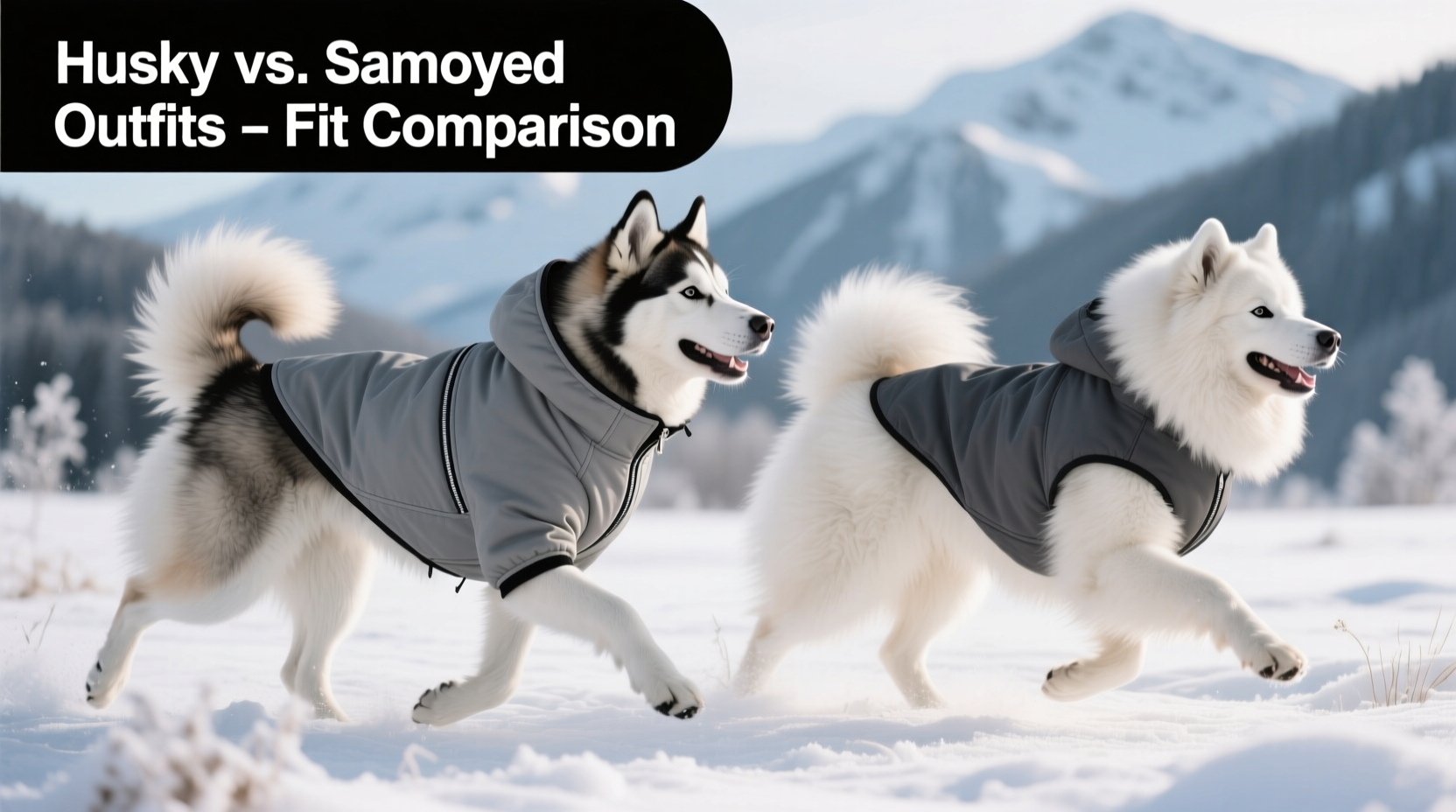
At first glance, Huskies and Samoyeds may appear nearly identical: both have plush fur, erect ears, and bushy tails. However, closer inspection reveals distinct structural differences that impact clothing fit.
- Body Shape: Huskies tend to be leaner and more streamlined, built for endurance running. Their chest is narrower relative to their length.
- Neck Girth: Samoyeds typically have broader, more muscular necks and heavier ruffing around the shoulders—a feature bred for pulling sleds in harsh Arctic conditions.
- Chest Depth: Samoyeds often have deeper chests and a slightly stockier frame, especially males, which affects how snugly a garment sits across the torso.
- Fur Volume: While both breeds have dense undercoats, Samoyeds carry fluffier, longer outer coats that add bulk—something most standard sizing charts don’t account for.
These variations mean that a “medium” husky jacket might fit too tightly around a Samoyed’s neck or restrict shoulder movement during walks or play.
“Just because two dogs weigh the same doesn’t mean they wear the same size. Breed conformation matters just as much as weight when fitting dog clothing.” — Dr. Lena Torres, Veterinary Behaviorist & Canine Ergonomics Consultant
Why Generic Sizing Fails Northern Breeds
Many dog clothing brands use generalized size categories (small, medium, large) based primarily on weight and back length. But this approach overlooks critical dimensions like neck circumference, girth at the widest point of the ribcage, and shoulder width—areas where Samoyeds consistently outsize Huskies of comparable weight.
A 50-pound Husky might comfortably wear a large jacket designed for athletic builds, but a 50-pound Samoyed with a 28-inch neck and fuller chest could find the same jacket restrictive or impossible to zip.
Tip: Always measure your dog’s neck, chest girth, and back length before buying any garment—even if you're using a brand you've purchased before.Key Measurements for Proper Fit
- Neck Circumference: Measure at the base where the collar sits. Add 1–2 inches for comfort.
- Chest Girth: Wrap the tape around the widest part of the ribcage, behind the front legs.
- Back Length: From the base of the neck (where the collar meets the shoulders) to the start of the tail.
Compare these numbers directly with the brand’s detailed size chart—not just the general size label.
Comparing Husky vs. Samoyed Clothing Needs
| Feature | Siberian Husky | Samoyed | Implication for Clothing |
|---|---|---|---|
| Neck Width | Narrow to moderate | Broad, heavily furred | Samoyeds need wider neck openings or adjustable collars |
| Chest Depth | Moderate | Deep and wide | Husky cuts may not accommodate Samoyed ribcage |
| Shoulder Mobility | Highly agile | Powerful stride, broad shoulders | Garments must allow full range of motion |
| Fur Density | Dense double coat | Extremely thick, longer outer coat | Samoyeds need looser inner fit to avoid compression |
| Typical Weight Range | 35–60 lbs | 40–65 lbs | Overlap exists, but build differs significantly |
When Husky Outfits *Might* Work for Samoyeds
In some cases, a husky-style garment can work for a Samoyed—if carefully selected. Smaller female Samoyeds (under 50 lbs) with less pronounced ruffing may fit into extra-large husky sizes, particularly if the clothing is stretchable or features side panels.
However, success depends on design flexibility. Look for:
- Adjustable straps or Velcro closures on neck and chest
- Stretchable knit or spandex-blend fabrics
- Rounded armholes to prevent armpit rubbing
- Open-bottom designs that don’t compress the belly
Even then, monitor your dog closely during initial wear. Signs of discomfort include excessive scratching, reluctance to move, panting indoors, or trying to remove the garment.
Mini Case Study: Max the Samoyed and the “Perfectly Labeled” Jacket
Mark bought a winter jacket labeled “XL for Huskies up to 60 lbs” for his 58-pound Samoyed, Max. The back length matched perfectly, but the neck opening was too narrow. Despite stretching, the garment pressed against Max’s trachea and caused him to cough when excited. After returning the jacket, Mark measured Max again and found his neck was 3 inches larger than the average Husky of similar weight. He switched to a breed-specific Samoyed brand with a wider funnel neck and reported immediate improvement in comfort and mobility.
Step-by-Step Guide: Choosing the Right Clothes for Your Samoyed
- Measure Accurately: Use a soft tape measure and record neck, chest, and back length.
- Check Brand-Specific Charts: Never assume cross-breed compatibility. Some brands offer Samoyed-specific patterns.
- Prioritize Adjustable Features: Opt for garments with Velcro, elastic, or snap adjustments.
- Select Breathable Fabrics: Avoid non-porous materials like PVC. Choose moisture-wicking fleece or wool blends.
- Test for Mobility: Put the garment on and observe your dog walking, sitting, and turning. There should be no pulling or restriction.
- Monitor for Overheating: Even in cold weather, double-coated dogs can overheat in synthetic layers. Limit indoor wear.
- Wash Before First Use: Pre-wash to check for shrinkage and ensure softness against sensitive skin.
Checklist: Is This Dog Coat Suitable for My Samoyed?
- ✅ Neck opening allows two fingers to fit comfortably underneath
- ✅ Chest band sits behind front legs without riding up
- ✅ Shoulder seams align with natural joint movement
- ✅ No pressure points under arms or along spine
- ✅ Fabric doesn’t bunch or wrinkle when dog moves
- ✅ Easy to put on and remove without struggle
- ✅ Designed for deep-chested or northern breeds (ideally labeled as such)
Frequently Asked Questions
Can I use a Husky sweater on my Samoyed if it’s one size bigger?
Maybe, but proceed with caution. A larger size may solve neck tightness but could create loose fabric around the legs, increasing tripping risk. Always test fit and supervise initial use.
Do Samoyeds even need clothes?
Generally, no—thanks to their natural insulation. However, elderly dogs, those with medical conditions, or pets exposed to extreme wet/cold environments may benefit from breathable, well-fitted outerwear. Avoid unnecessary dressing, especially indoors.
Are there brands that make clothes specifically for Samoyeds?
Yes. Brands like Warm Paws Co., ArcticBark Apparel, and Nordic Mutts offer lines tailored for deep-chested, high-ruffed breeds. These often feature extended neck tunnels, reinforced chest bands, and longer torso coverage.
Final Thoughts: Prioritize Function Over Fashion
Dog clothing should enhance comfort and protection—not compromise it. While Husky outfits may seem like a convenient option for Samoyed owners, the anatomical mismatch can lead to physical discomfort and behavioral resistance. Investing time in accurate measurement and choosing garments designed for broader, deeper northern breeds pays off in long-term wearability and canine well-being.
Remember, every Samoyed is unique. What works for one may not suit another, regardless of breed standards. Stay attentive to your dog’s cues, and don’t hesitate to return or modify clothing that doesn’t meet their needs.
💬 Have you found a great outfit that fits your Samoyed perfectly? Share your tips and brand recommendations in the comments below—your experience could help another owner avoid the same sizing struggles!








