Dogs often chew or lick their paws, legs, or body as a natural grooming behavior. However, when this becomes excessive—leading to raw skin, hair loss, or open sores—it’s a sign of an underlying issue. Persistent self-chewing can indicate pain, allergies, anxiety, or parasites. Understanding the root cause is essential for effective treatment. Left unaddressed, chronic chewing can lead to infections, behavioral problems, and long-term discomfort. This guide explores the most common reasons dogs chew themselves and provides actionable steps to stop the behavior safely and humanely.
Common Causes of Excessive Chewing in Dogs
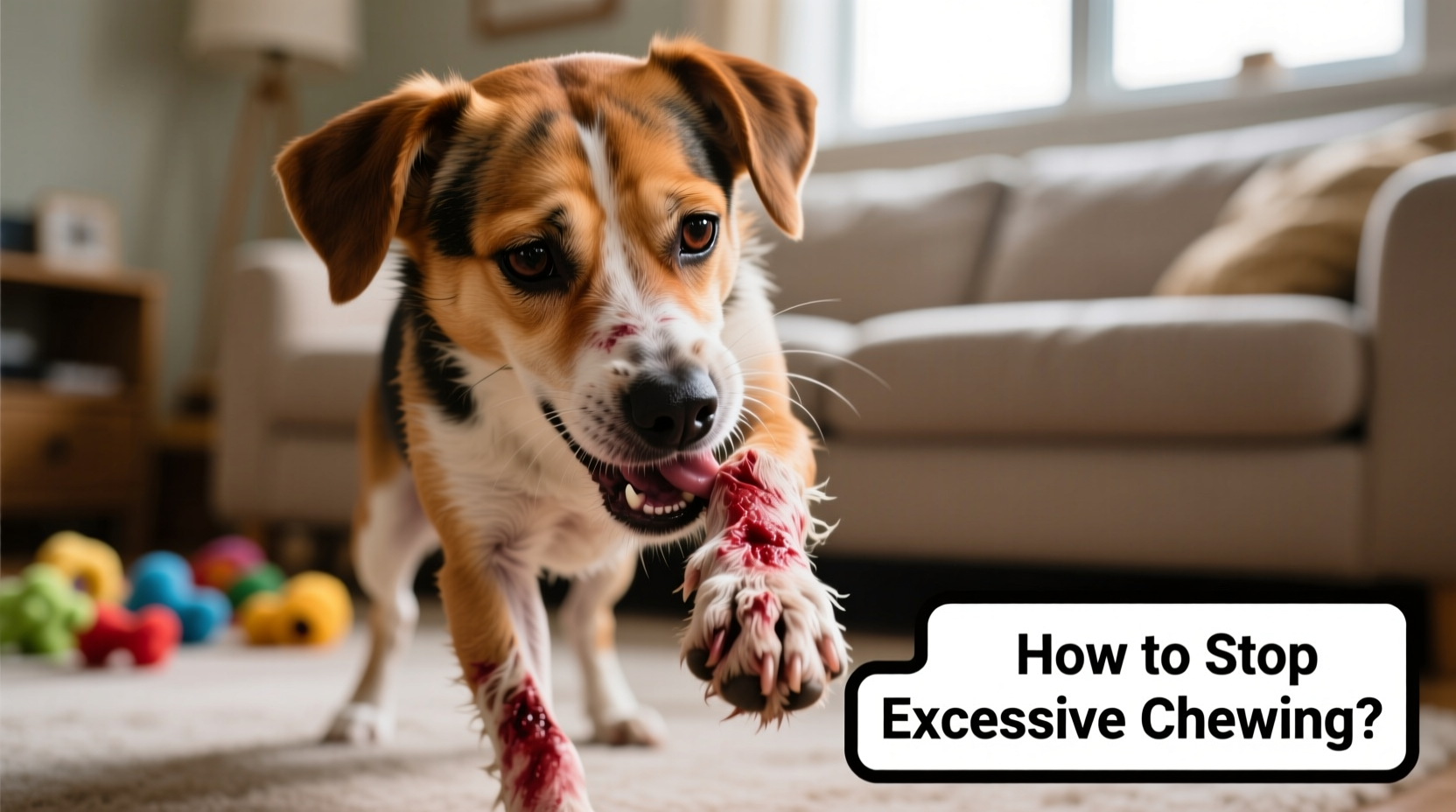
Excessive chewing isn���t just a bad habit—it’s usually a symptom. Identifying the trigger is the first step toward resolution. Below are the most frequent causes veterinarians see:
- Allergies: Food, environmental (pollen, dust mites), or flea allergies can cause intense itching. The resulting itch-scratch cycle leads to constant licking and chewing.
- Flea Infestation: Even a single flea bite can trigger an allergic reaction known as flea allergy dermatitis, prompting severe chewing at the base of the tail, back legs, or abdomen.
- Boredom or Anxiety: Dogs left alone for long periods may chew out of stress, frustration, or separation anxiety. This often targets paws or flanks.
- Pain or Injury: Arthritis, hip dysplasia, or an embedded thorn can cause a dog to focus on a specific area, attempting to soothe discomfort.
- Skin Infections: Bacterial or yeast infections (often secondary to allergies) create irritation that prompts chewing.
- Hormonal Imbalances: Conditions like hypothyroidism can lead to dry, itchy skin and subsequent chewing.
Step-by-Step Guide to Stop Your Dog from Chewing Himself
Addressing self-chewing requires a systematic approach. Jumping straight to an Elizabethan collar without diagnosing the cause only delays healing. Follow these steps to identify and resolve the problem:
- Inspect the Skin and Coat: Part the fur to look for redness, swelling, scabs, fleas, or signs of infection. Check between toes and under the tail.
- Eliminate Fleas: Use a vet-recommended flea preventative. Bathe your dog with a medicated shampoo if needed. Wash bedding and vacuum living areas thoroughly.
- Switch to a Hypoallergenic Diet: Food allergies are common. Try an elimination diet with novel proteins (like duck or venison) or hydrolyzed protein formulas for 8–12 weeks.
- Reduce Environmental Allergens: Wipe your dog’s paws after walks, use air purifiers, and wash bedding weekly in fragrance-free detergent.
- Increase Mental and Physical Stimulation: A tired dog is less likely to engage in compulsive behaviors. Aim for daily walks, puzzle toys, and training sessions.
- Consult Your Veterinarian: If chewing persists, schedule a full exam. Blood work, skin scrapings, or allergy testing may be necessary.
- Implement Behavior Modification: For anxiety-related chewing, consider desensitization techniques, calming aids (thundershirts, pheromone diffusers), or professional training.
Do’s and Don’ts When Addressing Self-Chewing
| Do’s | Don’ts |
|---|---|
| Use an e-collar temporarily to prevent further damage while treating the cause | Ignore persistent chewing—early intervention prevents complications |
| Keep nails trimmed to reduce trauma from scratching | Apply over-the-counter creams without vet approval—they may worsen irritation |
| Provide chew toys to redirect oral fixation | Yell at or punish your dog—this increases anxiety and worsens the behavior |
| Track changes in a journal (frequency, location, triggers) | Assume it’s “just a habit” without ruling out medical issues |
Expert Insight: What Vets Say About Compulsive Licking and Chewing
“Many owners think their dog is just ‘grooming’ when they’re actually in distress. Chronic licking can be a cry for help—whether due to pain, allergies, or anxiety. We see too many cases where months go by before a diagnosis is made. Early veterinary evaluation saves time, money, and suffering.” — Dr. Lena Patel, DVM, Veterinary Dermatology Specialist
Real Example: Max, the Golden Retriever with Seasonal Itching
Max, a 4-year-old golden retriever, began chewing his front paws every spring. His owner initially dismissed it as “just a quirk,” but over two years, the behavior worsened. By summer, Max had bald, inflamed patches and was limping from soreness.
After a vet visit, Max was diagnosed with pollen allergies. His treatment plan included:
- A prescription hypoallergenic diet
- Monthly allergy injections (immunotherapy)
- Daily paw wipes after outdoor time
- Anxiety management with a calming vest during high-pollen days
Checklist: How to Stop Your Dog from Chewing Himself
Use this checklist to systematically address and eliminate the behavior:
- ☐ Inspect skin for redness, fleas, or wounds
- ☐ Start a vet-approved flea prevention program
- ☐ Switch to a limited-ingredient or hypoallergenic dog food
- ☐ Clean bedding and vacuum home weekly
- ☐ Wipe paws after outdoor exposure
- ☐ Increase daily exercise and mental enrichment
- ☐ Schedule a vet appointment for bloodwork or allergy testing
- ☐ Use an e-collar or recovery suit if lesions are present
- ☐ Track behavior patterns in a journal
- ☐ Consult a veterinary behaviorist if anxiety is suspected
Frequently Asked Questions
Why does my dog chew himself only at night?
Nighttime chewing is often linked to anxiety or boredom. Dogs may feel more isolated when the household quiets down. It can also coincide with peak flea activity or post-dinner allergic reactions. Observe whether lights-out, silence, or other cues trigger the behavior.
Can I treat my dog’s chewing at home?
Mild cases caused by minor irritants or temporary stress may improve with environmental adjustments and increased activity. However, if chewing leads to bleeding, hair loss, or lasts more than a few days, professional diagnosis is essential. Home remedies like oatmeal baths can soothe skin but won’t fix underlying issues like infections or food allergies.
Is chewing always a sign of allergies?
No. While allergies are a leading cause, chewing can also stem from joint pain, nerve damage, gastrointestinal discomfort (manifesting as skin issues), or obsessive-compulsive disorder. A full veterinary workup helps rule out non-allergic causes.
Conclusion: Take Action Before It Gets Worse
Excessive chewing in dogs is never normal. Whether driven by biology, environment, or emotion, it signals that something is off. The longer it continues, the harder it becomes to reverse due to secondary infections and ingrained habits. The solution lies not in suppression but in understanding—identifying the cause and addressing it holistically. With patience, proper care, and veterinary support, most dogs can stop chewing and return to a healthy, itch-free life.
💬 Your dog’s comfort starts with you. If you’ve noticed chewing behavior, don’t wait. Begin tracking symptoms today and schedule a vet visit to get answers. Share your experience in the comments—your story might help another pet parent find relief.








