
Every year, thousands of pets cause household accidents by chewing on electrical cords. While it might seem like harmless puppy behavior, a dog chewing through a power cord can lead to electrocution, house fires, or costly repairs. For pet owners, understanding the risks and knowing how to respond quickly is not just about fixing a frayed wire—it's about protecting your family and your home. This guide provides clear, actionable steps to assess damage, safely repair wires, and prevent future incidents.
Why Dogs Chew Wires—and Why It’s Dangerous
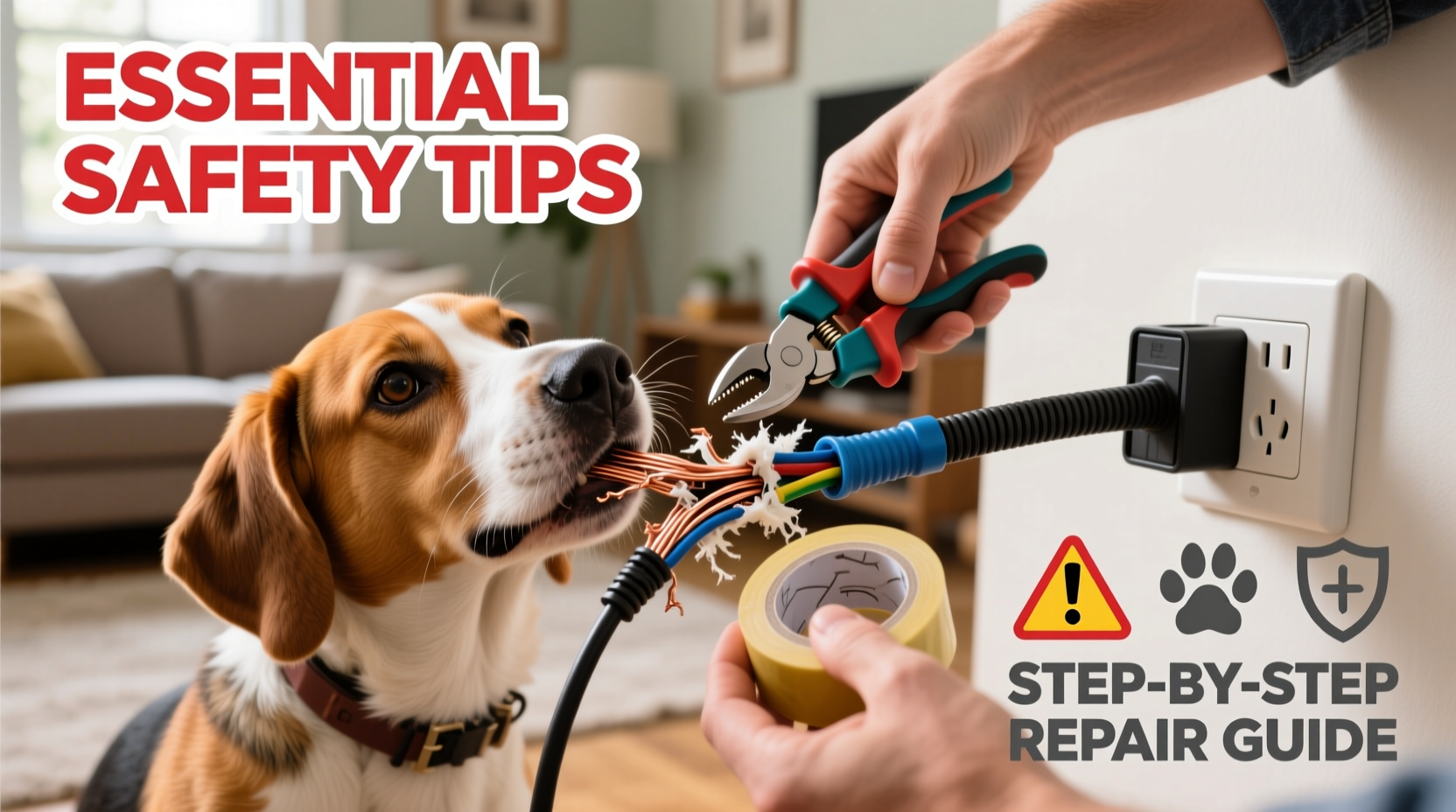
Puppies explore the world with their mouths, and adult dogs may chew due to boredom, anxiety, or teething. Electrical cords, with their rubber coating and slight warmth, can be especially tempting. But behind that innocent-looking bite lies serious danger.
Exposed wiring can lead to electric shock, which in severe cases causes burns, cardiac arrest, or respiratory failure in pets. Even if your dog seems fine after chewing a wire, internal injuries may not appear immediately. On the human side, damaged cords increase fire risk—frayed insulation can spark, ignite nearby materials, or short-circuit appliances.
“Electrical cord injuries are among the most preventable yet common emergencies we see in young pets.” — Dr. Lena Peterson, DVM, Emergency Veterinary ServicesTip: Never assume a dog is unharmed after chewing a wire—even if they show no immediate symptoms.
Immediate Safety Steps After a Dog Chews a Wire
Your first actions can prevent injury or further damage. Follow this timeline to ensure safety:
- Unplug the device immediately – Do not touch the cord if it’s sparking or smoking. Turn off the power at the outlet or circuit breaker if necessary.
- Check your dog for signs of injury – Look for burns on the mouth, difficulty breathing, coughing, or lethargy. If any symptoms are present, contact a veterinarian immediately.
- Inspect the full length of the wire – Damage may extend beyond the visible chew point. Run your fingers along the cord (only when unplugged) to feel for soft spots or exposed copper.
- Isolate the area – Keep pets away from the damaged cord until it’s repaired or replaced.
- Assess whether repair is possible – Minor surface nicks may be fixable; deep cuts exposing copper require either replacement or professional repair.
When Not to Attempt a DIY Repair
Some situations demand professional help or full replacement:
- The cord powers high-wattage appliances (e.g., space heaters, microwaves).
- Multiple wires inside are severed or melted.
- The damage is near the plug or appliance connection.
- You lack experience with basic electrical work.
Step-by-Step Guide to Safely Repairing a Chewed Wire
If the damage is minor and confined to a single section of low-voltage cord (like a lamp or phone charger), you can perform a safe repair using common tools. Always prioritize safety over convenience.
Materials Needed:
- Wire cutters/strippers
- Electrical tape (UL-rated)
- Heat-shrink tubing (optional but recommended)
- Replacement plug (if end is damaged)
- Voltmeter or continuity tester
- Gloves and safety glasses
Repair Process:
- Cut out the damaged section – Use wire cutters to remove the chewed portion. Make clean cuts about ½ inch beyond each end of visible damage.
- Strip the insulation – Remove about ¾ inch of outer jacket from both cut ends to expose inner conductors. Be careful not to nick the copper.
- Splice the wires – Match the colored or textured inner wires (usually black/hot and white/neutral). Twist each pair together tightly clockwise. For added security, use wire nuts or crimp connectors.
- Insulate each connection – Wrap each spliced wire individually with electrical tape, extending at least an inch past the splice. Alternatively, slide heat-shrink tubing over each joint and apply heat evenly with a hairdryer or lighter.
- Reinforce the entire section – Wrap the full repair zone with additional layers of electrical tape to restore flexibility and protection. <6> Test before use – Plug the cord into a multimeter to check for continuity and shorts. Only reconnect to power once confirmed safe.
Prevention Checklist: Protect Your Home and Pet
Repairing a wire is only a temporary fix unless you address the root cause. Use this checklist to minimize future risks:
- ✅ Use cord covers or spiral wrap protectors on all accessible cables.
- ✅ Route cords behind furniture or along baseboards using adhesive clips.
- ✅ Install cord organizers or cable management boxes out of pet reach.
- ✅ Provide durable chew toys to redirect oral behavior.
- ✅ Supervise young or destructive dogs during active hours.
- ✅ Apply pet-safe bitter sprays to discourage chewing.
- ✅ Replace frayed or aging cords proactively.
- ✅ Consider wireless alternatives where possible (e.g., lamps with built-in batteries).
Comparison: Repair vs. Replace a Chewed Wire
| Factor | Repair | Replace |
|---|---|---|
| Cost | Low ($5–$15 in materials) | Moderate to high (full cord or device) |
| Safety | Good for low-voltage, temporary fixes | Better long-term safety |
| Lifespan | Short to medium (months to a year) | Years, depending on usage |
| Skill Required | Moderate (basic electrical knowledge) | None (plug-and-play) |
| Best For | Minor damage, low-power devices | Severe damage, high-risk appliances |
Real-Life Example: A Close Call with a Pug Puppy
In suburban Chicago, Sarah Mendoza noticed her 10-week-old pug gnawing on a lamp cord late one evening. She pulled him away just as the insulation cracked open, revealing sparking wires. The dog showed no signs of injury, but Sarah took him to an emergency vet anyway. Tests revealed mild cardiac irritation from a micro-shock—undetectable without monitoring.
She replaced all exposed cords with braided steel-protected versions and installed cord channels along her baseboards. “I thought he was just being cute,” she said. “Now I know how fast it can go wrong.” Her quick action likely prevented a tragedy.
Frequently Asked Questions
Can I use regular tape instead of electrical tape?
No. Regular tape lacks dielectric strength and degrades quickly under heat or stress. Only UL-listed electrical tape should be used on live circuits.
How do I know if my dog was electrocuted?
Signs include burns on lips or tongue, difficulty breathing, seizures, weakness, or sudden collapse. Even asymptomatic dogs should be evaluated by a vet within hours of exposure.
Are wireless chargers safer around pets?
Yes. Eliminating cords entirely reduces risk. However, keep charging units themselves out of reach, as some contain small parts or generate heat.
Final Thoughts: Safety Starts With Awareness
A chewed wire isn’t just a nuisance—it’s a warning sign. Whether you choose to repair or replace, the real solution lies in prevention. By combining smart organization, pet-safe deterrents, and regular home inspections, you can create a safer environment for both your dog and your household.
💬 Have a story about pet-proofing your home or a close call with a chewed cord? Share your experience in the comments to help other pet owners stay prepared and protected.








