
Dogs are deeply relational animals. Their behavior often reflects the quality of their bonds, past experiences, and current environment. If your dog remains calm and composed around you but becomes anxious, reactive, or withdrawn with others, it’s not uncommon—but understanding why it happens is key to helping your dog feel more secure in all situations. This article explores the psychological and behavioral roots of selective calmness in dogs and provides practical strategies to support balanced confidence across interactions.
Why Your Dog Is Calm With You But Not Others
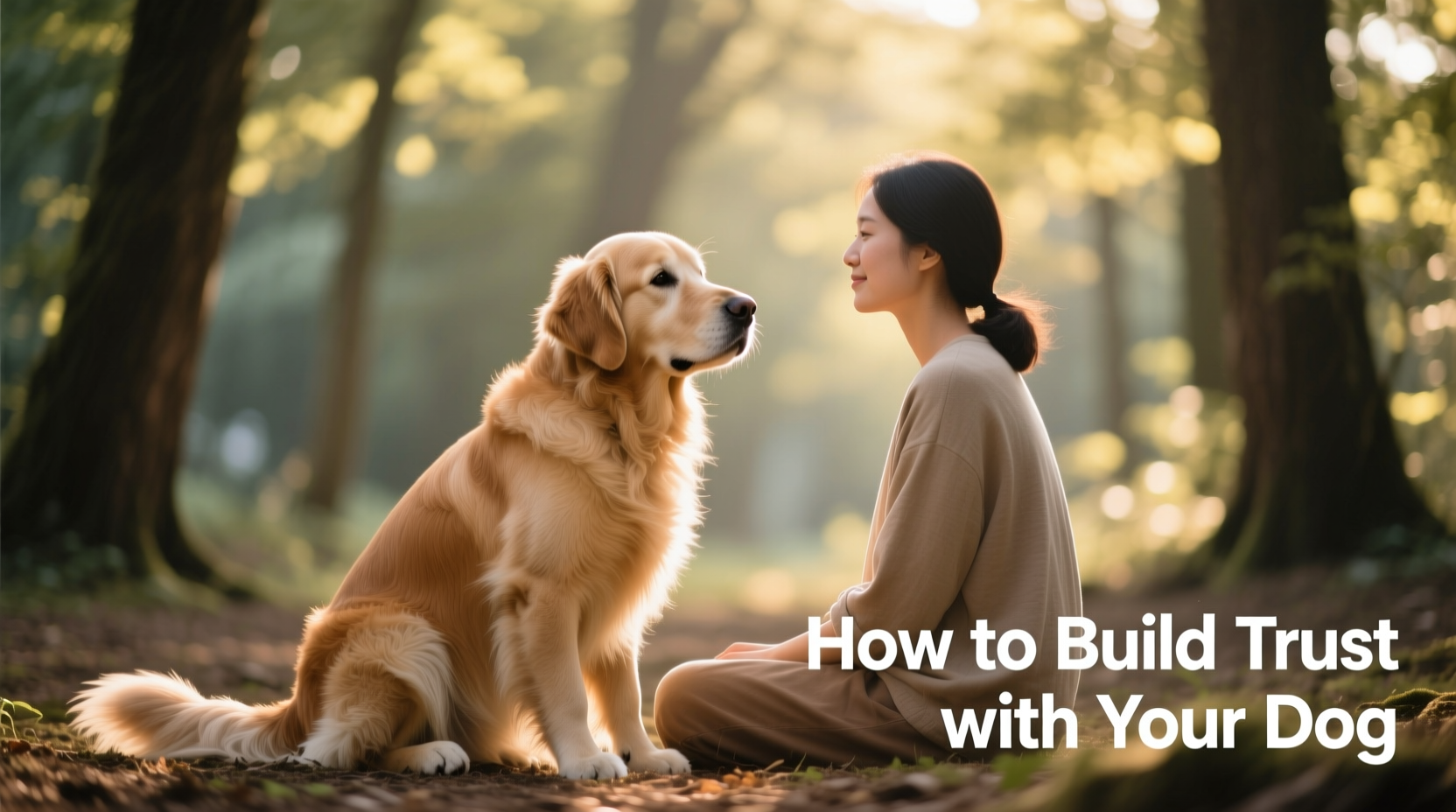
Your dog's calm demeanor around you likely stems from a deep sense of safety and familiarity. Over time, consistent care, predictable routines, and positive reinforcement have built a foundation of trust. In contrast, unfamiliar people represent uncertainty. Dogs rely heavily on body language, tone, and scent—cues that can be misinterpreted or overwhelming when coming from strangers.
Several core factors contribute to this disparity:
- Attachment bonding: Dogs form strong emotional attachments to primary caregivers, similar to human children. This bond reduces stress and increases feelings of security.
- Past experiences: Negative or limited exposure to strangers during critical socialization periods (typically 3–14 weeks of age) can lead to lasting wariness.
- Learned reliance: If your dog has learned that you intervene in stressful situations—such as stepping between them and a stranger—they may depend on your presence for emotional regulation.
- Scent familiarity: Your unique scent acts as a calming signal. Studies show dogs exhibit lower cortisol levels when exposed to their owner’s scent, even in high-stress environments.
“Dogs don’t generalize trust easily. Just because they’re relaxed with one person doesn’t mean they’ll automatically extend that comfort to others.” — Dr. Karen Overall, Veterinary Behavioral Medicine Specialist
Recognizing Signs of Discomfort Around Others
It’s important to distinguish between shyness, fear, and protective behavior. While some dogs simply take time to warm up, others display clear signs of distress when approached by unfamiliar people:
- Avoiding eye contact or turning the head away
- Lowered body posture or crouching
- Tucked tail, pinned-back ears
- Lip licking, yawning, or sniffing the ground (calming signals)
- Whining, growling, or backing away
If your dog only relaxes when you're physically near, it suggests they haven’t yet developed independent confidence. This isn’t a flaw—it’s a sign they need structured support to expand their emotional resilience.
Tip: Never force your dog into close contact with strangers. Allow them to approach at their own pace, and reward calm observation from a distance.Building Confidence: A Step-by-Step Approach
Helping your dog feel more at ease around others requires patience, consistency, and gradual exposure. The goal isn't to make your dog love everyone—but to reduce anxiety and prevent escalating reactions.
- Establish a baseline of calm: Begin training in low-distraction environments where your dog already feels safe. Practice basic cues like “sit,” “stay,” and “look” to reinforce focus and self-control.
- Introduce neutral third parties: Ask a calm, dog-friendly acquaintance to stand at a distance while your dog observes. Reward any signs of relaxed behavior—like loose body posture or blinking—with treats.
- Use positive associations: Whenever someone appears, begin feeding high-value treats (e.g., boiled chicken or cheese). The person should ignore the dog completely. Over time, your dog will link strangers with good outcomes.
- Increase proximity slowly: Only move the person closer once your dog consistently remains relaxed at the current distance. Progress may take days or weeks—don’t rush.
- Add movement and sound: Once static presence is tolerated, introduce gentle motion (walking nearby) and soft speech. Continue rewarding calmness.
- Practice off-leash control: In secure areas, work on recall and attention exercises with others present but not interacting. This strengthens your dog’s ability to stay focused despite distractions.
Do’s and Don’ts When Managing Social Reactions
| Do | Don’t |
|---|---|
| Maintain a calm, confident demeanor around others | Punish or scold your dog for showing fear |
| Use high-value treats to create positive associations | Allow strangers to reach over the dog’s head |
| Respect your dog’s pace and personal space | Force greetings or hold your dog in place |
| Practice short, frequent socialization sessions | Overexpose your dog to crowded or chaotic settings |
| Teach others how to approach safely (turn sideways, avoid direct eye contact) | Assume progress means full readiness—relapses are normal |
Real-Life Example: Helping Luna Adjust
Luna, a 2-year-old rescue Border Collie mix, was affectionate and obedient with her owner, Maria, but froze and trembled when guests arrived. She would hide behind the couch, avoiding all interaction. Maria began a structured desensitization plan. First, she invited a friend to stand outside the front door while Luna stayed inside. Each time the friend appeared, Maria gave Luna pieces of roast beef. After five sessions, Luna began looking toward the door expectantly when the treat bag came out.
Over the next month, the friend gradually moved closer—first to the doorway, then to sitting quietly in the living room without making eye contact. Maria never forced interaction. By week eight, Luna would approach and sniff the guest’s hand if extended gently. Today, Luna still prefers to stay near Maria during visits, but she no longer panics—she simply observes, relaxed and alert.
Essential Tips for Long-Term Success
Tip: Always carry treats during outings. They’re not bribes—they’re tools for shaping emotional responses. Tip: Use a “safe word” with friends—like “Wait”—to signal when your dog needs space, preventing well-meaning but counterproductive advances.Frequently Asked Questions
Is it normal for my dog to only listen to me?
Yes, especially if you’re the primary caregiver. Dogs often respond best to the person they associate with food, safety, and routine. However, involving other family members in feeding, walking, and training can help broaden responsiveness.
Can I train my dog to be calm around everyone?
While most dogs can learn to tolerate strangers without fear, not every dog will become outgoing. The goal should be functional calmness—not requiring affection, just reducing anxiety and reactivity.
Should I let people pet my dog if he’s hesitant?
No. Forcing contact undermines trust and can worsen fear-based behaviors. Let your dog choose when and if to engage. A simple rule: if your dog doesn’t move toward someone, the person shouldn’t reach for him.
Conclusion: Fostering Calm Beyond Your Presence
Your dog’s calmness around you is a testament to the strong bond you’ve built. That connection is the foundation for helping them extend that peace to others. With thoughtful exposure, positive reinforcement, and respect for their emotional limits, your dog can develop greater confidence in diverse social settings. Progress may be slow, but each small step counts.
💬 Have a dog who’s calm with you but tense with others? Share your experience or questions in the comments—your journey could inspire another pet parent facing the same challenge.








