
Foul breath in dogs—often dismissed as a normal part of pet ownership—is rarely something to ignore. While a slight odor after mealtime is expected, persistent bad breath (halitosis) usually signals an underlying issue. From dental disease to systemic health problems, the root causes vary widely. Addressing them early not only improves your dog’s breath but also protects their long-term health. Understanding why your dog’s breath stinks is the first step toward effective, lasting solutions.
Understanding the Root Causes of Bad Dog Breath
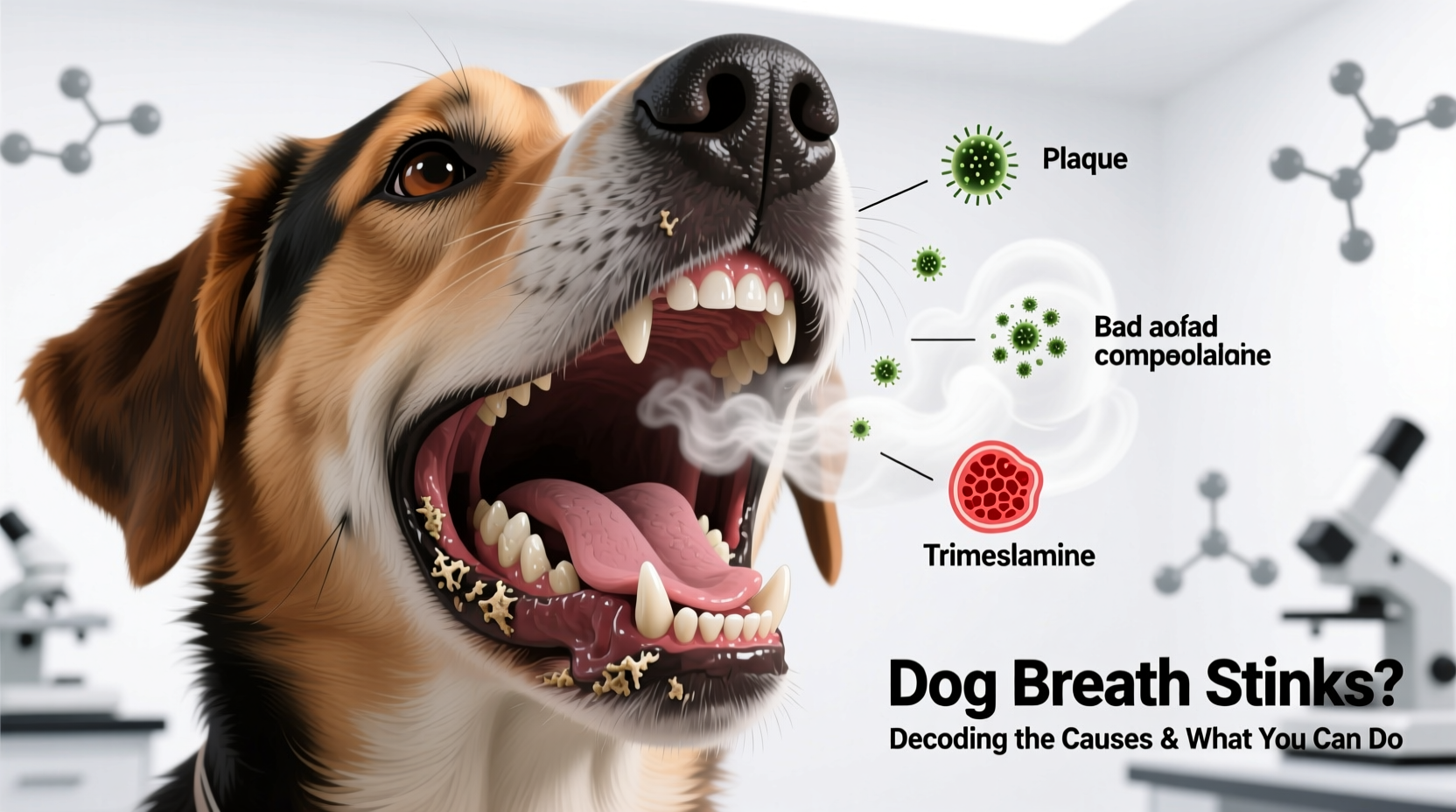
Bad breath in dogs isn’t just unpleasant—it’s often a red flag. The most common cause is periodontal disease, which affects over 80% of dogs by age three, according to the American Veterinary Dental College. Plaque buildup leads to tartar, gum inflammation (gingivitis), and eventually tooth loss or infection. But oral issues are only part of the story.
Bacteria in the mouth break down food particles, releasing volatile sulfur compounds that produce that rotten-egg smell. However, if the odor persists despite brushing, it may point to more serious conditions such as:
- Dental abscesses – Pus-filled infections at the tooth root.
- Oral tumors – Abnormal growths that trap bacteria and decay.
- Kidney disease – Produces an ammonia-like breath odor due to toxin buildup.
- Diabetes – Often results in a sweet, fruity smell from ketones.
- Liver disease – May cause a musty or sulfuric odor.
- Dietary indiscretion – Eating feces, garbage, or spoiled food.
Each of these has distinct accompanying symptoms. For example, excessive thirst and urination may accompany diabetes, while jaundice or vomiting could indicate liver trouble. Recognizing these patterns helps determine when home care suffices and when veterinary intervention is urgent.
Tip: Sniff your dog’s breath regularly. A sudden change in odor—even subtle—can be an early warning sign.Common Culprits Behind Canine Halitosis: A Comparative Overview
| Cause | Typical Breath Odor | Other Symptoms | Action Required |
|---|---|---|---|
| Plaque & Tartar Buildup | Rotten, sour smell | Red gums, drooling, difficulty chewing | Dental cleaning + daily brushing |
| Diabetes | Sweet, fruity | Increased thirst, weight loss, lethargy | Veterinary diagnosis and insulin management |
| Kidney Disease | Ammonia-like | Poor appetite, vomiting, dehydration | Immediate vet visit, blood tests |
| Liver Disease | Moldy, musty | Jaundice, vomiting, behavioral changes | Urgent medical evaluation |
| Dietary Habits | Fecal or garbage-like | None beyond odor | Diet adjustment, behavior training |
Step-by-Step Guide to Improving Your Dog’s Breath
Addressing bad breath effectively requires a systematic approach. Jumping straight to mint-flavored treats won’t solve the problem if plaque or disease is present. Follow this timeline to identify and resolve the issue:
- Inspect the Mouth Weekly – Lift your dog’s lips gently and examine teeth and gums. Look for yellow/brown tartar, redness, swelling, or broken teeth.
- Introduce Daily Brushing – Use a soft-bristled toothbrush and dog-safe toothpaste (never human toothpaste). Start slowly, aiming for 30 seconds per side.
- Provide Dental Chews and Toys – Choose VOHC (Veterinary Oral Health Council)-approved products that reduce plaque mechanically.
- Adjust the Diet – Avoid table scraps and low-quality kibble high in fillers. Consider dental diets formulated to clean teeth during chewing.
- Schedule a Professional Cleaning – If tartar is visible, see your veterinarian. Anesthesia-based cleaning allows thorough scaling below the gumline.
- Run Diagnostic Tests if Needed – For persistent odor without dental cause, blood work and urinalysis can uncover metabolic diseases.
This process may take weeks to show full results, especially if advanced periodontal disease is involved. Patience and consistency are key.
“Halitosis in dogs is never normal. It’s the body’s way of signaling imbalance—whether in the mouth or internal organs.” — Dr. Rachel Nguyen, DVM, Board-Certified Veterinary Dentist
Real-Life Example: Max’s Turnaround Story
Max, a 7-year-old Shih Tzu, had increasingly foul breath for months. His owner, Lisa, assumed it was just “dog smell” until Max started dropping food and pawing at his mouth. A vet exam revealed severe gingivitis, multiple abscessed teeth, and stage 2 kidney disease. After a dental procedure and dietary changes—including switching to a kidney-support formula and adding water to meals—Max’s breath improved within three weeks. His energy returned, and follow-up labs showed stabilized kidney values. This case underscores how interconnected oral and systemic health truly are.
Daily Dental Care Checklist
Maintaining fresh breath requires routine effort. Use this checklist to stay on track:
- ✅ Brush teeth daily with pet-safe toothpaste
- ✅ Offer one VOHC-approved dental chew per day
- ✅ Inspect mouth weekly for redness, swelling, or tartar
- ✅ Provide fresh drinking water at all times
- ✅ Avoid feeding table scraps or allowing scavenging
- ✅ Schedule annual vet checkups with dental assessment
- ✅ Note any changes in breath odor or eating habits immediately
Frequently Asked Questions
Can I use human toothpaste for my dog?
No. Human toothpaste contains xylitol, fluoride, and detergents that are toxic to dogs if swallowed. Always use toothpaste specifically formulated for pets, available in flavors like poultry or peanut.
Are dental treats enough to keep my dog’s breath fresh?
They help but aren’t sufficient alone. Treats reduce surface plaque but don’t reach below the gumline. Combine them with brushing and professional cleanings for best results.
How often should my dog have a professional dental cleaning?
Most dogs need a cleaning every 1–2 years, though small breeds may require it annually due to higher risk of periodontal disease. Your vet will recommend based on individual needs.
Taking Action for a Healthier, Fresher Dog
Bad breath in dogs is more than a nuisance—it’s a potential indicator of pain, infection, or chronic illness. By understanding the causes and taking proactive steps, you protect not only your dog’s smile but their overall well-being. Don’t accept stinky breath as inevitable. With consistent home care, proper nutrition, and timely veterinary support, most cases of halitosis can be resolved or prevented entirely.
💬 Your dog’s health matters—start today. Share your experiences or questions in the comments below. Have you noticed a change after improving dental care? Let’s support each other in raising healthier, happier dogs.








