Walk into any pet store or browse online retailers, and you’ll see a wide array of feeding products labeled specifically for puppies—smaller sizes, pastel colors, “gentle on gums” claims. Meanwhile, adult dog bowls appear sturdier, deeper, and sometimes even elevated. But is there a meaningful difference between a dog bowl and a puppy bowl, or is this distinction mostly driven by marketing tactics aimed at concerned new pet owners?
The truth lies somewhere in between. While some design differences do serve functional purposes during a puppy’s early development, many so-called \"puppy bowls\" are simply smaller versions of standard bowls with a rebranded label. Understanding the real physiological, behavioral, and developmental needs of puppies versus adult dogs helps separate genuine utility from profit-driven packaging.
Anatomical and Behavioral Differences That Matter
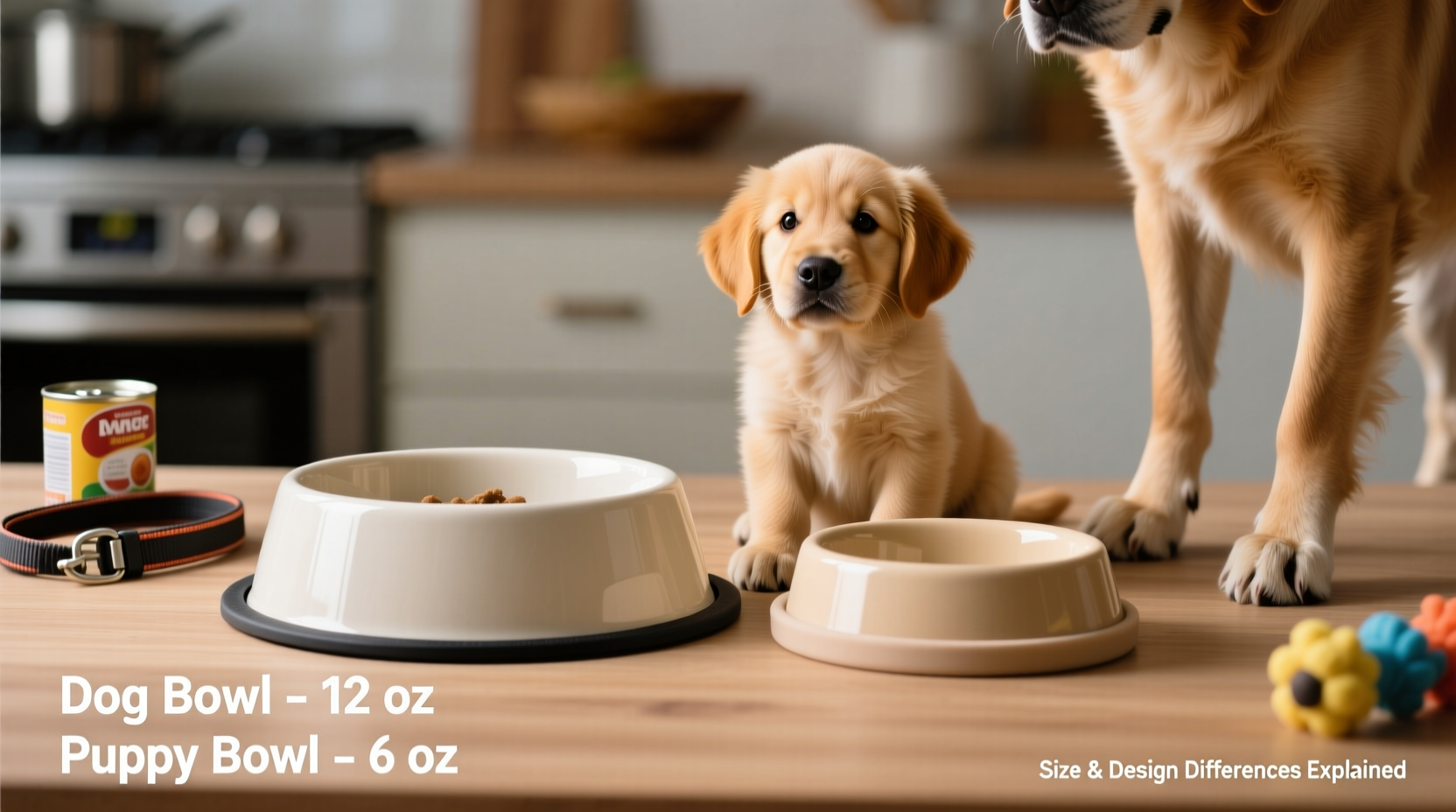
Puppies aren’t just small dogs—they’re in a critical stage of physical and neurological development. Their jaw strength, neck length, eating coordination, and even digestive sensitivity differ significantly from adult dogs. These factors influence how and what they eat, which in turn affects the ideal feeding setup.
- Jaw size and bite force: Puppies have underdeveloped jaw muscles and smaller mouths, making deep or wide bowls difficult to navigate efficiently.
- Neck and spine alignment: A bowl placed too high or too low can strain a growing puppy’s posture, potentially affecting spinal development.
- Eating behavior: Puppies are clumsy eaters. They often paw at food, shove their entire face into the bowl, or knock it over while exploring.
- Digestive sensitivity: Rapid eating due to poorly designed bowls can lead to bloating or regurgitation, especially in breeds prone to gastrointestinal issues.
“Puppies need feeding solutions that support proper growth without encouraging bad habits like gulping air or overeating. The right bowl isn’t about cuteness—it’s about ergonomics.” — Dr. Lena Patel, Veterinary Behaviorist
Design Comparison: Dog Bowl vs Puppy Bowl
To evaluate whether the differences are substantial, let’s compare common features across both categories.
| Feature | Puppy Bowl | Adult Dog Bowl | Functional Difference? |
|---|---|---|---|
| Height/Depth | Shallow (0.5–1.5 inches) | Deeper (2–4+ inches) | Yes – prevents chin strain in small breeds |
| Diameter | Small to medium (3–6 inches) | Medium to large (6–12+ inches) | Yes – matches mouth size |
| Material | Plastic, silicone, stainless steel | Stainless steel, ceramic, durable plastic | Slight – durability matters more for adults |
| Non-slip base | Commonly included | Varies by model | Yes – essential for wobbly pups |
| Elevated design | Rare | Frequent in larger breeds | Context-dependent |
| Aesthetic design | Bright colors, cartoon prints | Neutral tones, minimalist styles | No – purely marketing |
As the table shows, several design elements—particularly depth, diameter, and stability—are functionally relevant. However, aesthetics and naming conventions often exaggerate these differences to justify premium pricing.
Tip: Don’t buy a “puppy bowl” just because it says so on the label. Focus on dimensions and stability instead.When Size Actually Matters: A Real Example
Sophia adopted a 10-week-old Cavalier King Charles Spaniel named Milo. Excited to provide the best care, she bought a set of pastel-colored “premium puppy bowls” advertised as “gentle on tiny jaws.” Within days, Milo was spilling water constantly and seemed frustrated during meals.
After consulting her vet, Sophia realized the bowl, though marketed for puppies, was still too deep for Milo’s short snout. She switched to a shallow stainless steel dish originally sold as a “sauce boat” for human use—only 0.7 inches deep and wide enough for kibble access. The change was immediate: less mess, calmer eating, and no more pawing at the bowl.
This case illustrates a key point: functionality trumps branding. What mattered wasn’t the label, but the fit between the puppy’s anatomy and the bowl’s design.
Step-by-Step Guide: Choosing the Right Bowl for Your Puppy (or Adult Dog)
Follow this practical sequence to make an informed decision—regardless of marketing labels.
- Measure your dog’s height at the shoulder. This determines optimal bowl height. For puppies, aim for a bowl rim level with the lower jaw when standing naturally.
- Assess eating behavior. Does your dog gulp food? Knock over bowls? A weighted, non-slip base or slow-feed insert may help.
- Select material based on safety and hygiene. Stainless steel is best for most dogs—non-porous, dishwasher-safe, and resistant to bacteria. Avoid cheap plastics that scratch easily.
- Start shallow for puppies under 6 months. Use a dish no deeper than 1 inch. Transition to deeper bowls only as the dog grows and eats confidently.
- Monitor for changes. As your puppy matures, reassess every few months. Some dogs benefit from elevation later, especially large or deep-chested breeds.
Common Misconceptions and Marketing Tactics
The pet industry often repackages simple products with emotional appeal. Here are three misleading trends:
- \"Puppy-specific\" materials: Claims that soft silicone is “kinder” to puppy teeth are largely unfounded. Teeth develop normally regardless, and durability should be prioritized.
- Color psychology: Blue bowls don’t calm dogs. Bright colors may attract human buyers, but dogs see limited color ranges.
- Names over function: A “Junior Feeder” or “Tiny Tots Dish” may be identical in design to a basic small bowl sold without fanfare.
In reality, most reputable veterinarians recommend focusing on practicality—not packaging. If a $5 stainless steel bowl fits your puppy’s needs better than a $18 “designer puppy set,” go with the former.
Checklist: What to Look for in Any Dog Bowl
Use this checklist to cut through marketing noise and select a bowl that truly serves your dog’s needs:
- ✅ Shallow depth for puppies under 6 months (under 1.5 inches)
- ✅ Non-slip or weighted base to prevent sliding
- ✅ Made from safe, easy-to-clean material (stainless steel preferred)
- ✅ Width allows comfortable access to food without whisker stress
- ✅ No sharp edges or loose parts that could be chewed off
- ✅ Easy to sanitize (dishwasher-safe is ideal)
- ✅ Proportional to dog’s current size—not just expected adult size
Frequently Asked Questions
Can I use a regular dog bowl for my puppy?
Yes, as long as it’s appropriately sized. Many standard small dog bowls work perfectly for puppies. The key is ensuring the depth and diameter match your puppy’s current size and eating ability.
When should I switch from a puppy bowl to an adult bowl?
There’s no fixed timeline. Begin transitioning around 5–6 months, depending on breed and growth rate. Watch for signs like effortless eating, no chin dragging, and stable posture. Gradually introduce a slightly deeper bowl and monitor comfort.
Do elevated bowls help puppies?
Generally, no. Most puppies don’t need elevation. In fact, raising the bowl too early can encourage stretching and poor eating posture. Elevated feeders are typically recommended only for large or giant breeds with specific anatomical considerations, and usually not until adulthood.
Conclusion: Function Over Fashion
The distinction between dog bowls and puppy bowls isn’t entirely fictional—but it’s far less significant than marketing would have you believe. Real differences exist in depth, stability, and proportion, all of which support healthy development. Yet, many products labeled as “puppy bowls” offer nothing beyond colorful branding and inflated prices.
What matters most is matching the bowl to your dog’s actual physical needs, not the label on the package. Whether you call it a puppy bowl or not, a shallow, stable, hygienic dish made of quality material will serve your young dog far better than any gimmicky product.
🚀 Take action today: Reassess your puppy’s current bowl using the checklist above. Measure, observe, and adjust if needed. Share your experience in the comments—what worked for your pup might help another pet parent avoid unnecessary spending.








