In recent years, dog bandanas have surged in popularity as stylish accessories that reflect a pet’s personality or match seasonal trends. From floral prints to superhero themes, they’re a fun way for owners to express their dog’s charm. But when it comes to safety and identification, how do these fashionable pieces stack up against the humble ID tag? While a bandana might turn heads at the dog park, it cannot replace the critical function of proper identification. This article examines the roles of both items, weighs their practical value, and answers a crucial question: Is a cute accessory truly safer than reliable identification?
The Role of Visual Appeal: Why Bandanas Are So Popular
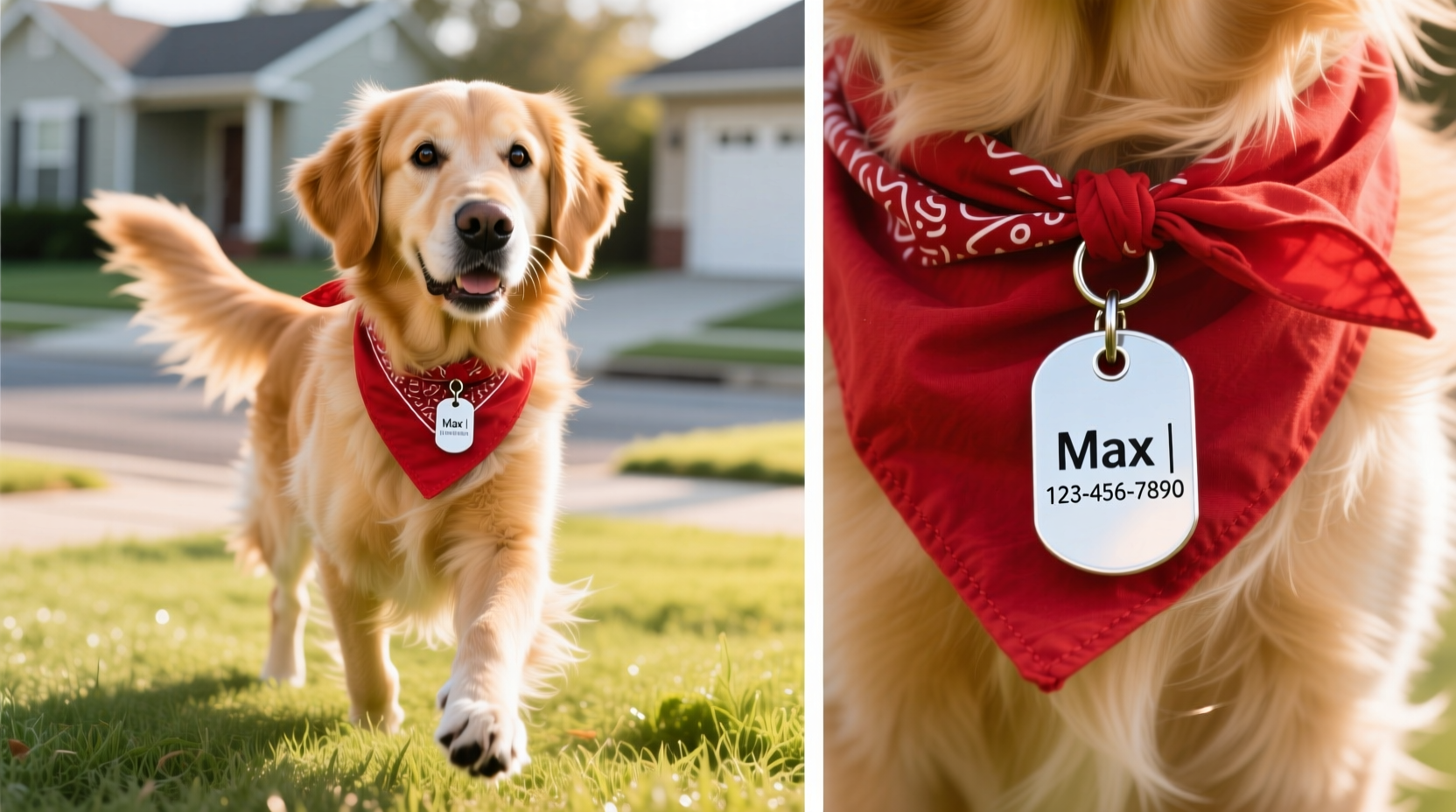
Dog bandanas serve primarily as aesthetic enhancements. They come in countless designs—some even infused with calming scents or flea-repellent properties—and are often used during holidays, photo shoots, or special events. For many pet owners, dressing up their dogs is an extension of bonding and companionship.
Bandanas can also offer minor functional benefits. Cotton or mesh versions help keep dogs cool in summer, especially when dampened. Others absorb odors from skunk sprays or muddy walks, acting as a washable barrier. However, despite these perks, bandanas lack one essential feature: permanent, readable identification.
Tip: If you use a bandana daily, consider attaching a mini-ID charm to it—but never rely on this as your sole form of identification.The Lifesaving Function of ID Tags
ID tags are more than metal discs on a collar—they are emergency contact tools. When a dog wanders off, the first line of defense is what’s around their neck. A well-maintained ID tag with current phone numbers, address, and any medical alerts (like “I’m deaf” or “Diabetic”) dramatically increases the chances of a safe return.
According to the American Society for the Prevention of Cruelty to Animals (ASPCA), only about 15% of lost dogs without ID tags are reunited with their families. In contrast, dogs wearing visible tags have a reunion rate exceeding 50%. These statistics underscore a simple truth: visibility saves lives.
“An ID tag is the fastest, most accessible way for a good Samaritan to help your dog get home. No app, microchip scanner, or social media post can match its immediacy.” — Dr. Lena Peterson, DVM, Animal Welfare Advocate
Bandana vs. ID Tag: A Practical Comparison
To understand where each item stands in terms of utility, here's a side-by-side breakdown:
| Feature | Dog Bandana | ID Tag |
|---|---|---|
| Primary Purpose | Fashion, sun protection, odor control | Identification, emergency contact |
| Visibility of Info | None (unless custom-printed, which fades) | High (engraved metal/plastic, durable) |
| Durability | Low to medium (washes fade print, fabric tears) | High (resists weather, wear, time) |
| Reliability in Emergencies | Very low (easily removed or overlooked) | Very high (immediately actionable) |
| Legal Recognition | None | Required in many municipalities |
| Cost | $5–$20 | $3–$15 |
This comparison makes clear that while bandanas enhance appearance, they fall short in reliability, durability, and legal compliance. An ID tag, though less glamorous, performs a non-negotiable role in pet safety.
A Real-Life Scenario: What Happens When a Dog Gets Lost?
Consider this realistic case: Bella, a 3-year-old golden retriever, slips her leash during a walk near a busy shopping plaza. She runs into a parking lot, frightened and disoriented. A store employee spots her wearing a bright polka-dot bandana but no collar with tags.
The employee approaches cautiously. The bandana has no contact info. Though Bella is friendly, no one knows if she’s lost, aggressive, or has medical needs. After 45 minutes, someone checks local social media and sees a missing pet post—posted by Bella’s owner after realizing she was gone. It takes two hours before Bella is returned.
Now imagine the same scenario with an ID tag. The employee reads the phone number, calls immediately, and Bella is back home within 20 minutes. No social media search, no waiting, no stress. This small difference illustrates how functionality outweighs fashion in critical moments.
Best Practices for Combining Style and Safety
There’s no need to choose between cuteness and care. With thoughtful planning, pet owners can enjoy both. Here’s how to integrate bandanas safely without compromising identification:
- Always use a collar with an ID tag as the base layer, regardless of whether your dog wears a harness or bandana.
- Select breakaway collars if using decorative bandanas frequently—this reduces choking risk if fabric gets caught.
- Layer the bandana over the collar, not instead of it. Ensure the ID tag remains visible or easily accessible.
- Update tag information quarterly, especially if you’ve moved or changed phone numbers.
- Use QR code tags that link to digital profiles with photos, medical details, and emergency contacts.
Checklist: Safe Accessory Use for Dogs
- ✅ Collar with up-to-date ID tag is always worn
- ✅ Bandana is clean, properly fitted, and non-restrictive
- ✅ No loose strings or embellishments that could snag
- ✅ Tags are legible and include at least one phone number
- ✅ Microchip registration is current (if applicable)
- ✅ Owner verifies collar fit monthly (two fingers should fit underneath)
Frequently Asked Questions
Can I put my dog’s name and phone number on a bandana instead of a tag?
Technically, yes—but it’s not recommended. Ink on fabric fades quickly with washing and exposure to sunlight. Unlike engraved metal tags, printed text becomes unreadable within weeks. Additionally, a bandana can be removed accidentally or intentionally, leaving the dog unidentified.
What if my dog hates wearing a collar with jingling tags?
Many modern ID tags come with rubber silencers or are made from lightweight silicone with quiet engraving. Alternatively, consider a tag cover or switching to a QR code tag that stores information digitally. Never remove the tag entirely due to noise concerns—silencing options exist for a reason.
Isn’t a microchip enough for identification?
No. While microchips are valuable backup tools, they require a scanner and access to a veterinary clinic or shelter. A lost dog found by a passerby cannot be scanned on the street. An ID tag enables instant communication. Think of the microchip as insurance and the tag as your first responder.
Conclusion: Prioritize Protection Over Presentation
Dog bandanas are delightful additions to a pet’s wardrobe, offering flair, comfort, and seasonal fun. But they should never be mistaken for identification. In emergencies, seconds count, and a clearly labeled ID tag remains the fastest, most effective way to reunite a lost dog with their family.
Safety doesn’t have to be boring. Choose stylish collars, colorful tags, or personalized charms that blend function with fashion. Your dog deserves both protection and personality. By keeping identification front and center—literally—on their collar, you ensure that every adventure ends with a happy return.
🚀 Your dog’s safety starts today. Double-check their ID tag, update your contact info, and share this article to remind others: style matters, but survival matters more.








