Bringing your dog along on a hiking trip can deepen your bond and keep your pet active—but not all dogs are built for long treks. For smaller breeds, puppies, or senior dogs with limited stamina, carrying them partway may be necessary. Two popular options—dog backpack carriers and sling carriers—offer hands-free transport, but they differ significantly in safety, stability, and suitability for rugged terrain. Choosing the wrong one could compromise your dog’s comfort or even pose risks during a hike.
This guide breaks down the core differences between backpack and sling carriers, focusing on safety during outdoor adventures. We’ll examine design, weight distribution, ventilation, emergency access, and real-world usability to help you make an informed decision for both you and your dog.
Understanding the Core Differences
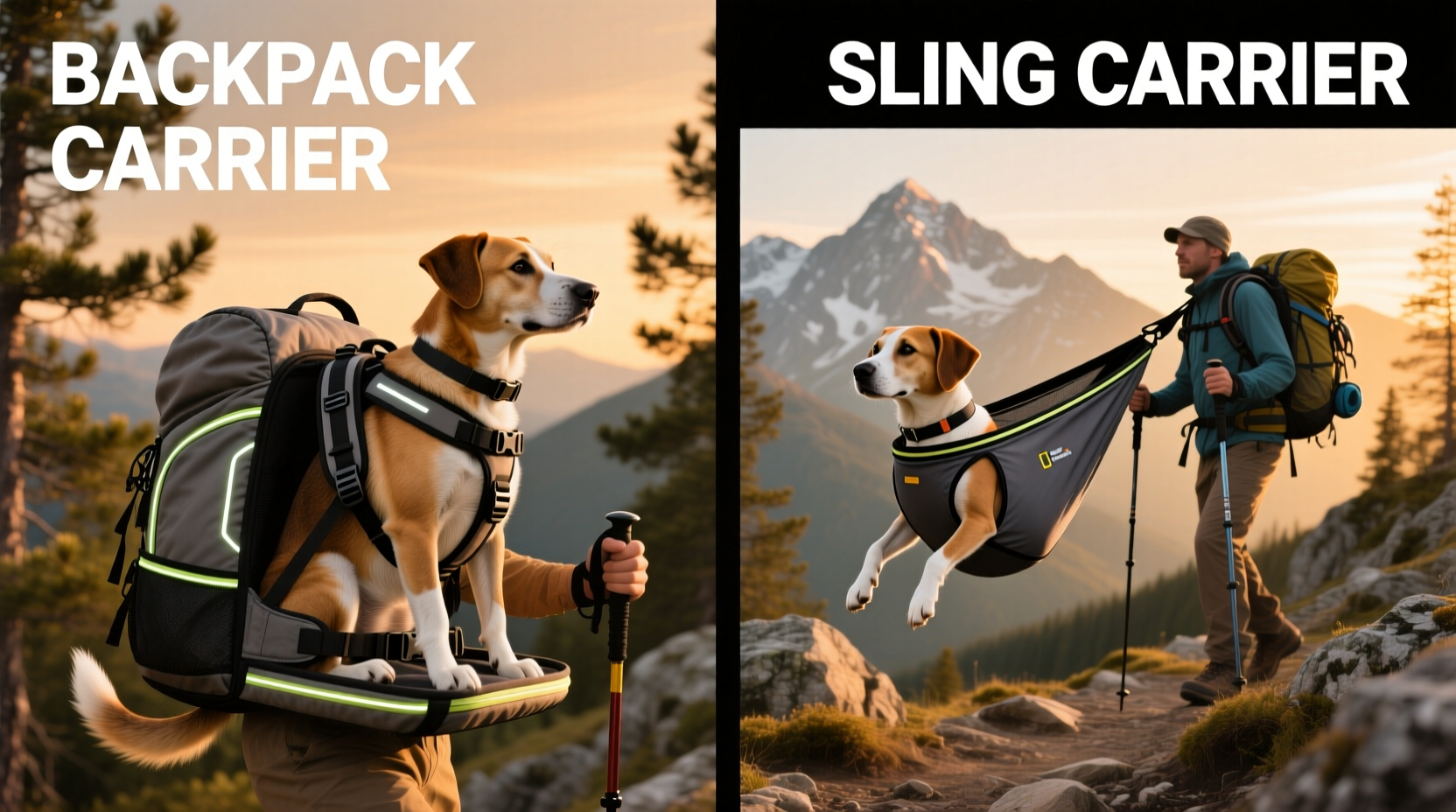
The primary distinction between backpack and sling carriers lies in how they distribute weight and support your dog’s body. A dog backpack carrier resembles a human hiking backpack, with two padded shoulder straps, a chest strap, and often a waist belt. It typically features two side pockets—one for each dog—or a single central compartment. These are designed for balanced load distribution across your back, hips, and shoulders.
In contrast, a sling carrier consists of a fabric pouch that drapes diagonally across your torso, usually secured over one shoulder and under the opposite arm. It holds the dog against your chest or side, offering close contact but minimal structural support. Sling carriers are lightweight and compact, ideal for quick errands or short walks, but their ergonomic limitations become apparent on longer hikes.
The structural disparity translates directly into safety outcomes. On uneven trails, steep inclines, or slippery surfaces, stability and balance are critical. A poorly distributed load increases fatigue, reduces mobility, and raises the risk of falls—endangering both hiker and dog.
Safety Comparison: Key Factors for Hiking
When evaluating safety for hiking, several factors must be considered: weight distribution, ventilation, visibility, ease of access, and fall protection.
Weight Distribution and Physical Strain
Backpack carriers excel in ergonomics. By engaging the hips and lower back through a waist belt and using chest stabilizers, they reduce strain on shoulders and spine. This allows for longer carry durations without compromising posture or endurance—critical when navigating rocky paths or elevation changes.
Sling carriers concentrate the dog’s weight on one shoulder and side of the torso. Over time, this leads to muscle imbalances, postural shifts, and increased fatigue. On a three-mile trail, even a 10-pound dog can cause discomfort that affects gait and balance, increasing tripping hazards.
Tip: Never carry more than 15–20% of your body weight while hiking. If your dog exceeds this threshold, consider alternating carriers with breaks or choosing a stroller-compatible route.Ventilation and Temperature Regulation
Dogs regulate body temperature primarily through panting, not sweating. Enclosed spaces with poor airflow can lead to overheating, especially in warm weather or at high elevations.
Backpack carriers generally feature mesh panels on multiple sides, allowing 360-degree airflow. Many models include zippered windows or removable covers for added ventilation control. Some premium versions even integrate reflective materials to reduce heat absorption.
Sling carriers, due to their snug, wrap-around design, often limit airflow. The dog’s body presses against the wearer’s torso, trapping heat. While some slings use breathable fabrics, the lack of cross-ventilation makes them less suitable for extended exposure to sun or physical exertion.
Fall Protection and Security
Hiking involves unpredictable terrain—loose gravel, tree roots, sudden drops. A secure carrier must prevent accidental ejection.
Backpack carriers typically include internal safety tethers, rigid bottom panels, and dual-zipper closures. Many allow attachment of your dog’s harness via a clip inside the pocket, adding redundancy. Should you stumble, the dog remains contained within a structured compartment.
Sling carriers rely on fabric tension and a single closure point (often Velcro or a snap). Sudden movements or reaching for balance can loosen the fit. There is no secondary tether system in most designs, increasing the risk of escape or drop if the carrier shifts.
“On technical trails, I always recommend backpack-style carriers. They offer better weight management and containment, which is essential when every step counts.” — Dr. Lena Reyes, DVM, Canine Sports Medicine Specialist
Comparison Table: Backpack vs Sling Carriers for Hiking
| Feature | Backpack Carrier | Sling Carrier |
|---|---|---|
| Weight Distribution | Balanced across back, hips, and chest | Uneven; concentrated on one shoulder |
| Ventilation | High (mesh panels on all sides) | Moderate to low (limited airflow) |
| Fall Protection | High (structured frame, zippers, tether) | Low to moderate (fabric-dependent) |
| Carry Duration | Up to 2+ hours with breaks | Recommended under 1 hour |
| Emergency Access | Quick side or front zipper access | Immediate but unsecured opening |
| Terrain Suitability | Rugged, uneven, steep trails | Urban walks, paved paths |
| Dog Size Range | Up to 25 lbs (depending on model) | Typically under 15 lbs |
Real-World Scenario: A Weekend Hike Gone Wrong
Consider the experience of Sarah M., a regular hiker from Colorado. She brought her 12-pound Pomeranian on a moderate 4-mile loop using a mesh sling carrier. The first mile was manageable, but as the trail turned rocky and steep, she began to lean forward to maintain balance. The shift in posture caused the sling to loosen. Mid-ascent, her dog wriggled free and fell about three feet onto a rocky ledge.
Luckily, the dog suffered only minor scratches, but the incident prompted Sarah to research safer alternatives. She switched to a ventilated backpack carrier with a safety tether and waist belt. On her next hike, she reported feeling more stable, less fatigued, and confident that her dog was secure—even when crossing a narrow log bridge.
This case illustrates how terrain demands can expose the weaknesses of sling carriers. Close contact doesn’t equate to safety; proper containment and weight management do.
Step-by-Step Guide: Choosing and Using a Safe Carrier for Hiking
Selecting the right carrier is only half the battle. Proper usage ensures maximum safety and comfort for both you and your dog.
- Assess Your Dog’s Needs: Consider age, weight, breed, and fitness level. Dogs under 25 pounds who tire easily are best suited for carriers, but ensure the model supports your dog’s size.
- Choose a Backpack Design: Opt for a carrier with a waist belt, chest strap, and padded back panel. Look for dual side pockets if you plan to carry more than one small dog.
- Test Fit at Home: Let your dog spend time in the carrier indoors. Reward calm behavior. Ensure they can stand, turn, and lie down comfortably.
- Secure with a Harness Clip: Attach your dog’s harness to the internal safety tether. This prevents jumping out if the zipper is accidentally opened.
- Pack Light: Avoid overloading the main compartment with gear. Keep essentials like water, treats, and a collapsible bowl in accessible outer pockets.
- Start Short: Begin with 20–30 minute hikes to gauge tolerance. Monitor for signs of stress—panting, whining, or restlessness.
- Take Breaks Every 30 Minutes: Stop to let your dog stretch, drink water, and relieve themselves. Use this time to check for chafing or overheating.
- Monitor Weather Conditions: Avoid using any carrier in extreme heat. Even with ventilation, dogs can overheat quickly when pressed against a warm body.
Common Mistakes to Avoid
- Using a sling on technical trails: The lack of support increases fall risk for both owner and pet.
- Ignoring weight limits: Exceeding the carrier’s capacity strains your body and compromises zippers and seams.
- Skipping the safety tether: Even in a closed compartment, a tether adds a crucial layer of security.
- Hiking too long without breaks: Small dogs can develop pressure sores or anxiety if confined too long.
- Carrying an anxious or aggressive dog: If your dog shows fear or reactivity in the carrier, reconsider whether carrying is appropriate.
Frequently Asked Questions
Can I use a baby carrier for my dog?
While some people repurpose infant carriers, they are not designed for animal anatomy. Dogs have different center-of-gravity points and require more ventilation and containment. Purpose-built dog backpacks are safer and more comfortable.
Is it safe to carry a puppy on a hike?
Yes, but with caution. Puppies under six months should not be carried for extended periods due to developing joints. Limit carry time to 15–20 minutes and ensure the carrier provides full body support. Always consult your vet before hiking with young dogs.
What size dog is too big for a carrier?
Most backpack carriers support up to 20–25 pounds total (10–12 pounds per side). Larger dogs should hike independently or use a dog-specific stroller on accessible trails. Carrying a dog over 25 pounds significantly increases injury risk for the handler.
Final Recommendations and Best Practices
For hiking trips involving uneven terrain, elevation gain, or prolonged walking, a dog backpack carrier is objectively safer than a sling. Its superior weight distribution, ventilation, and containment systems reduce physical strain and protect your pet in dynamic environments.
Sling carriers have their place—ideal for urban outings, vet visits, or brief walks—but they lack the structural integrity needed for true outdoor adventures. If you value your dog’s safety and your own endurance, investing in a quality backpack carrier is a responsible choice.
Look for models with adjustable straps, breathable mesh, internal tethers, and sturdy zippers. Brands like K9 Sport Sack, PetAmi, and OneTigris have earned strong reputations among hiking communities for durability and ergonomic design.
Tip: Practice wearing the empty carrier on short walks before bringing your dog. Adjust straps until the weight feels centered and stable.Conclusion: Prioritize Safety Without Sacrificing Adventure
Hiking with your dog should be joyful, not risky. While sling carriers offer intimacy and convenience, they fall short in safety-critical areas when the trail gets tough. Backpack carriers, engineered for balance and protection, empower you to explore further with confidence.
Your dog depends on you to make smart choices—especially when their well-being is literally in your hands. Choose gear that respects their physiology and your physical limits. Whether you’re summiting a ridge or meandering through a forest, the right carrier ensures both of you return home tired, happy, and unharmed.
🚀 Ready to hit the trail safely? Review your current carrier against these guidelines, upgrade if needed, and share your hiking experiences with fellow dog owners. Your insights could help others make safer choices.








