Dog allergies affect millions of people worldwide, often making life with a beloved pet challenging. Despite their loyalty and companionship, dogs can trigger allergic reactions in sensitive individuals. These reactions are not caused by the dog��s fur but rather by proteins found in their dander, saliva, and urine. Understanding the science behind these allergies, recognizing early symptoms, and knowing the available treatment options can help individuals manage their condition effectively — sometimes even allowing them to live comfortably with a dog.
Why Dog Allergies Happen
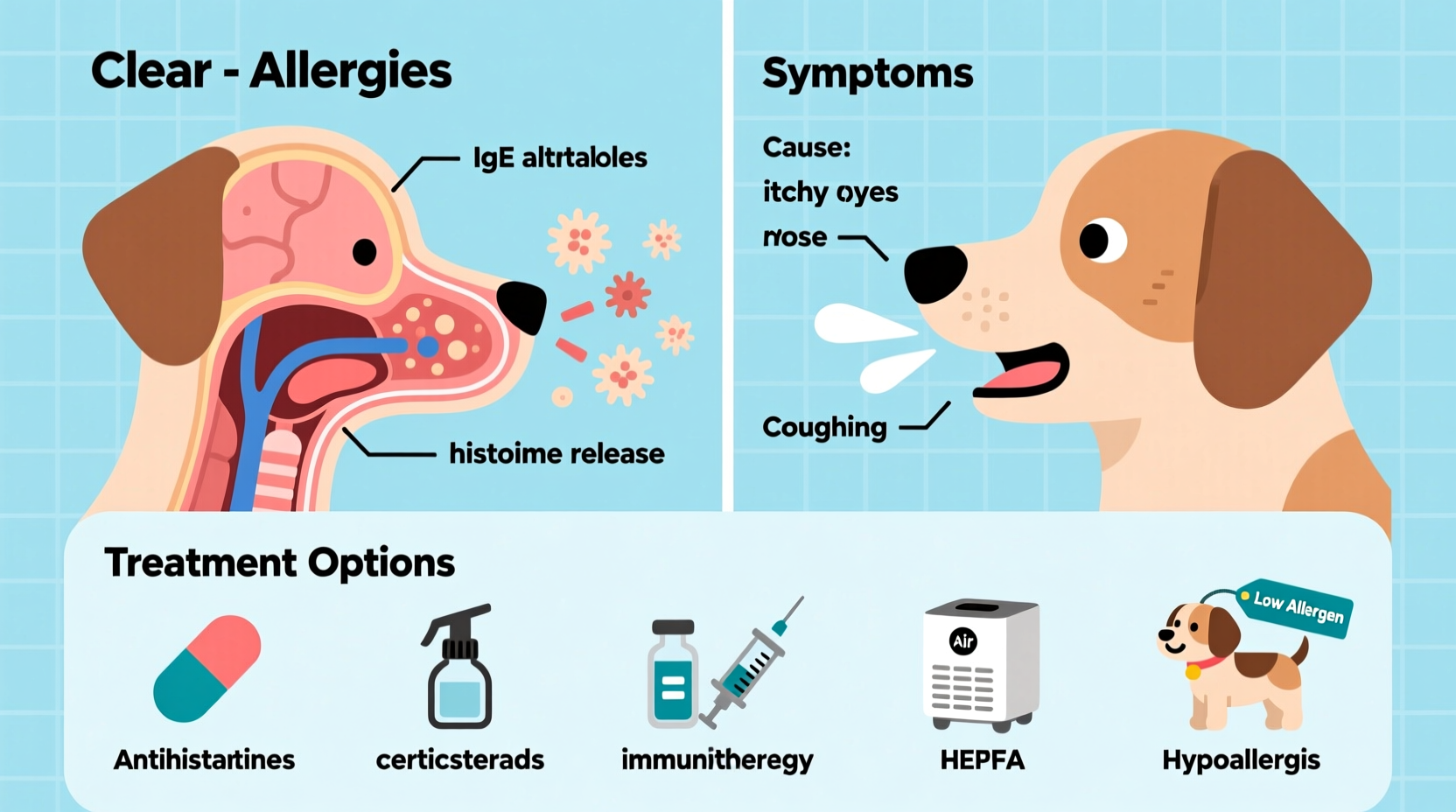
Allergic reactions to dogs occur when the immune system mistakenly identifies harmless proteins as threats. The primary allergens come from a dog’s skin cells (dander), saliva, and dried urine. When these particles become airborne or settle on surfaces, they can be inhaled or come into contact with mucous membranes, prompting an immune overreaction.
The most common allergenic protein is Can f 1, found predominantly in a dog’s saliva and sebaceous glands. When dogs groom themselves, they spread this protein across their fur. As the saliva dries, it flakes off along with dander, becoming airborne. Even short-haired or hairless breeds produce these allergens, which means no dog is truly hypoallergenic — though some breeds may shed less dander and thus cause fewer symptoms.
Genetic predisposition plays a significant role. Individuals with a family history of asthma, eczema, or other allergies are more likely to develop dog allergies. Environmental factors such as early exposure to pets, air pollution, and overall immune health also influence susceptibility.
Tip: Regularly bathing your dog can reduce the amount of allergens on their coat, potentially easing symptoms for allergic household members.Common Symptoms of Dog Allergies
Symptoms can range from mild to severe and typically appear shortly after exposure to a dog. They often mimic hay fever or respiratory infections, which can lead to misdiagnosis if pet exposure isn’t considered.
- Nasal congestion or runny nose
- Sneezing
- Itchy, red, or watery eyes
- Postnasal drip
- Coughing or wheezing
- Skin rashes or hives upon direct contact
- Shortness of breath or chest tightness (especially in asthmatics)
In children, chronic exposure may contribute to recurrent ear infections or dark circles under the eyes, known as \"allergic shiners.\" Some individuals experience delayed reactions, where symptoms appear hours after contact, making it harder to link them to dog exposure.
“Many patients don’t realize their persistent cough or fatigue is tied to pet dander until they spend time away from home and notice improvement.” — Dr. Lena Torres, Board-Certified Allergist
Treatment Options for Dog Allergies
While avoiding dogs entirely is the most effective way to prevent symptoms, it's not always practical—especially for those who already have a pet or plan to adopt one. Fortunately, several treatment strategies can help manage or reduce allergic reactions.
Medications
Over-the-counter and prescription medications can provide relief:
- Antihistamines (e.g., cetirizine, loratadine) block histamine release, reducing sneezing and itching.
- Nasal corticosteroids (e.g., fluticasone) decrease inflammation in nasal passages.
- Decongestants help relieve nasal stuffiness but should be used short-term.
- Leukotriene modifiers like montelukast can control both allergy and asthma symptoms.
Allergy Shots (Immunotherapy)
For long-term management, allergists may recommend immunotherapy. This involves regular injections of increasing amounts of the allergen to gradually desensitize the immune system. Studies show that 80% of patients experience significant symptom reduction after 3–5 years of treatment.
Natural and Preventive Measures
Combining medical treatments with environmental controls enhances effectiveness. Key steps include using HEPA air purifiers, washing hands after pet contact, and keeping dogs out of bedrooms.
| Treatment Type | Effectiveness | Time to Relief | Best For |
|---|---|---|---|
| Antihistamines | Moderate | 30–60 minutes | Occasional exposure |
| Nasal Sprays | High | Several days | Chronic symptoms |
| Immunotherapy | Very High | Months to years | Long-term sufferers |
| Environmental Control | Variable | Immediate | Daily prevention |
Real-Life Example: Living With a Dog Despite Allergies
Sarah, a 34-year-old teacher from Portland, was diagnosed with a moderate dog allergy after adopting a rescue terrier. Initially, she experienced daily sneezing and eye irritation. Rather than rehoming her dog, she consulted an allergist. She began taking a daily antihistamine, installed a HEPA filter in her bedroom, and committed to weekly dog baths. She also trained her dog not to jump on furniture. Within two months, her symptoms decreased significantly. Today, she manages well with minimal medication and considers her dog an irreplaceable part of her family.
This case illustrates that with proper planning and consistent effort, many people can coexist with dogs despite allergies.
Step-by-Step Guide to Reducing Dog Allergy Symptoms at Home
- Confirm the allergy through skin prick or blood testing with an allergist.
- Designate pet-free zones, especially the bedroom, to create low-allergen sanctuaries.
- Use high-efficiency air purifiers with HEPA filters in frequently used rooms.
- Bathe your dog every 1–2 weeks using a gentle, hypoallergenic shampoo.
- Wash bedding, curtains, and rugs weekly in hot water (at least 130°F).
- Replace carpeting with hard flooring where possible to minimize dander accumulation.
- Wash hands immediately after touching your dog, and avoid touching your face.
- Vacuum regularly with a vacuum cleaner equipped with a HEPA filter.
- Consult an allergist about immunotherapy if symptoms persist despite lifestyle changes.
Frequently Asked Questions
Are there hypoallergenic dog breeds?
No dog is completely hypoallergenic. However, breeds like Poodles, Bichon Frises, and Portuguese Water Dogs tend to shed less dander and may be better tolerated by some allergic individuals. Individual responses vary, so spending time with a specific dog before adoption is crucial.
Can children outgrow dog allergies?
Some children may outgrow pet allergies, but it’s unpredictable. Early exposure to pets does not guarantee protection and may worsen symptoms in sensitized individuals. Monitoring symptoms and consulting a pediatric allergist is recommended.
Is it possible to develop a dog allergy later in life?
Yes. Adult-onset allergies are common and can occur even after years of living with a dog. Changes in immune function, increased exposure, or reduced tolerance may trigger new sensitivities.
Conclusion: Managing Dog Allergies for a Healthier Life
Dog allergies stem from an immune response to proteins in dander, saliva, and urine—not the fur itself. Symptoms can disrupt daily life, but they are manageable with the right combination of medication, environmental control, and medical guidance. Immunotherapy offers long-term relief for many, while simple changes at home can dramatically reduce allergen levels.
If you love dogs but struggle with allergies, don’t assume coexistence is impossible. With informed choices and consistent care, thousands of people successfully share their homes with canine companions. Take the first step today: get tested, optimize your environment, and consult an allergist to build a personalized plan.
💬 Have experience managing dog allergies? Share your story or tips in the comments—your insight could help others find balance between health and companionship.








