Holographic stickers have surged in popularity thanks to their eye-catching, iridescent surfaces that shift colors under different lighting. From laptop decals to journal embellishments and product branding, these stickers add a futuristic flair. However, many users notice a gradual dulling of the shine over time—especially when exposed to sunlight. The central question remains: do holographic stickers actually fade in sunlight, and if so, what can be done to preserve their brilliance? The answer isn’t as simple as yes or no, but understanding the materials, environmental factors, and protective strategies can go a long way in maintaining their visual appeal.
The Science Behind Holographic Stickers
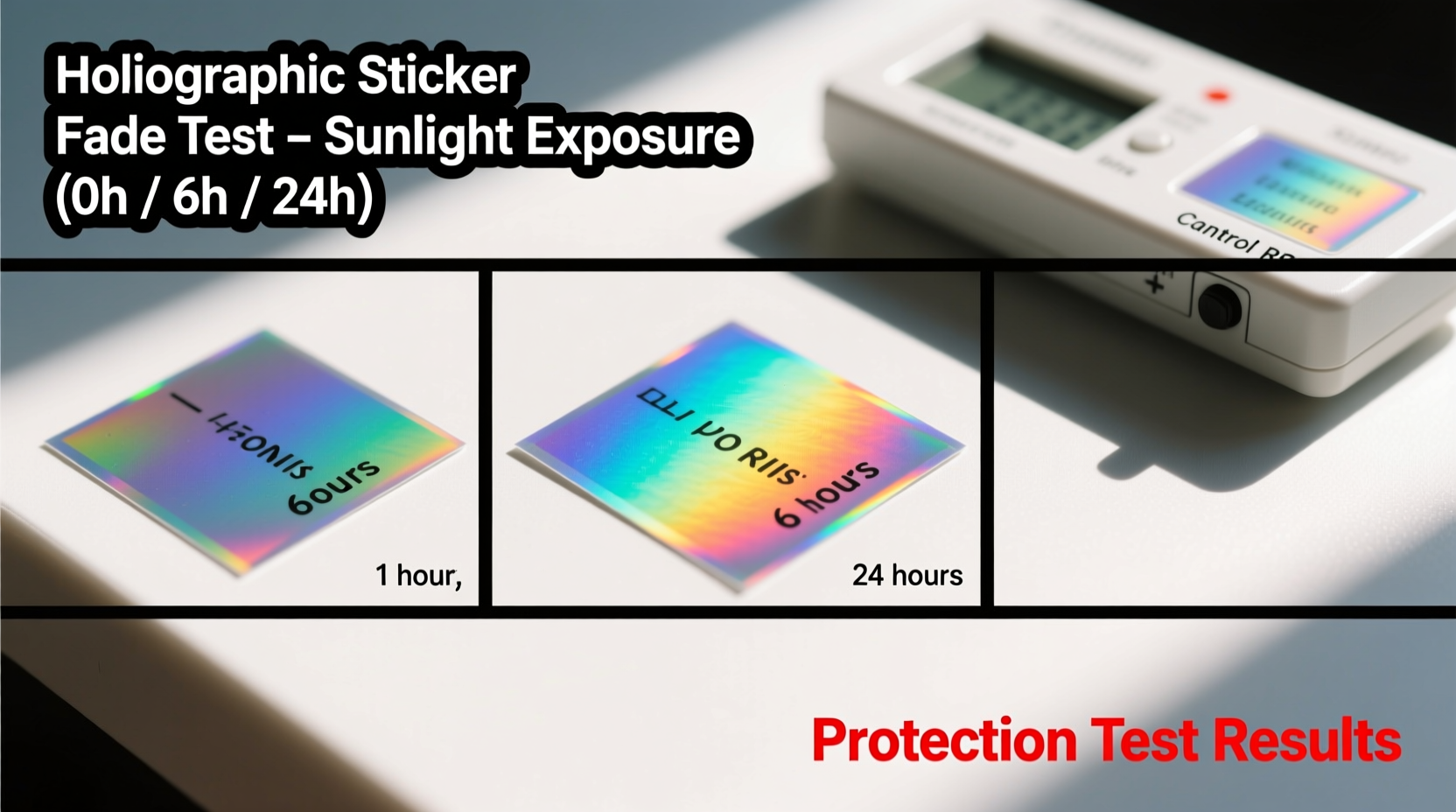
Holographic stickers are not created using traditional ink-based printing. Instead, they rely on a specialized layer of reflective film—often polyester-based with a micro-embossed diffraction grating. This surface splits light into its spectral components, creating the rainbow-like effect known as iridescence. The metallic sheen is typically achieved through vacuum metallization, where a thin layer of aluminum or other reflective material is applied beneath the holographic pattern.
Unlike pigmented inks, which absorb and reflect specific wavelengths of light, the color in holographic films comes from physical structure rather than chemical composition. This means they don’t “fade” in the traditional sense—where pigment breaks down and loses hue—but they can degrade due to external damage. Ultraviolet (UV) radiation, heat, and oxidation are the primary culprits behind diminished luster.
“While holographic materials don’t contain dyes that bleach out like regular inks, prolonged UV exposure can compromise the integrity of the plastic layers and reflective coating.” — Dr. Lena Park, Materials Scientist at PolySurface Labs
Do Holographic Stickers Fade in Sunlight?
The short answer is: not exactly, but they can lose their sparkle. True fading—the loss of color due to pigment degradation—is minimal because there’s no dye involved. However, several indirect effects of sunlight can make holographic stickers appear faded:
- UV Degradation: Prolonged exposure to ultraviolet rays breaks down polymer chains in the plastic film, leading to brittleness, cloudiness, and reduced reflectivity.
- Oxidation of Metal Layer: If the aluminum or metallized layer is not properly sealed, UV and moisture can cause oxidation, diminishing the mirror-like finish.
- Delamination: Heat from direct sun can weaken adhesive bonds between layers, causing peeling or bubbling that disrupts the optical effect.
- Surface Scratching: Sun-exposed areas often experience more handling or thermal expansion, increasing micro-scratches that scatter light and reduce clarity.
In outdoor applications—such as vehicle decals or window stickers—these effects become noticeable within weeks or months depending on climate and sticker quality. Indoors, near windows with strong daylight, degradation may take longer but still occurs over time.
Tip: Even indirect sunlight contains UV rays. A sticker placed near a south-facing window indoors can degrade faster than one in a shaded drawer.How to Protect Holographic Stickers from Sun Damage
Preserving the brilliance of holographic stickers requires proactive protection. While no method offers complete immunity to sunlight, combining material selection, placement strategy, and sealing techniques can significantly extend their lifespan.
Choose High-Quality, UV-Resistant Materials
Not all holographic stickers are made equal. Premium versions often include UV inhibitors in the top coating or use laminated polyester films designed for outdoor durability. Look for terms like “weather-resistant,” “UV-protected,” or “industrial-grade” when purchasing.
Avoid Direct Sunlight Exposure
The most effective protection is prevention. Keep stickers away from direct sunlight by placing them on interior surfaces, using tinted window films, or rotating display items periodically. For journals or laptops, store them in shaded areas when not in use.
Apply a Protective Sealant
Adding a clear, UV-blocking topcoat can dramatically improve longevity. Options include:
- Clear acrylic spray sealers with UV protection
- Mod Podge Outdoor formula
- Polyurethane coatings (for rigid surfaces)
Apply 1–2 thin, even coats and allow full curing time between layers. Avoid thick applications that could distort the holographic effect.
Use Laminated Carriers for Critical Applications
For business branding, product labels, or outdoor decals, consider mounting holographic stickers onto laminated vinyl sheets. These offer built-in UV resistance and weatherproofing, extending life expectancy from months to several years.
Store Unused Stickers Properly
Even before application, storage matters. Keep unused holographic stickers in a cool, dark place—ideally inside an opaque resealable bag with desiccant packets to prevent moisture buildup.
“Think of holographic film like sunscreen for your skin—protection works best when applied early and consistently.” — Marcus Tran, Industrial Adhesives Consultant
Step-by-Step Guide: How to Apply and Seal a Holographic Sticker for Maximum Longevity
If you're applying a holographic sticker to a frequently handled or sun-exposed item, follow this sequence to maximize durability:
- Clean the Surface: Wipe the target area with isopropyl alcohol to remove dust, oil, and residue. Let dry completely.
- Peel and Position Carefully: Remove the backing slowly and align the sticker without touching the adhesive side with fingers.
- Smooth Out Air Bubbles: Use a credit card or squeegee to press from center outward, minimizing trapped air.
- Allow Adhesion Time: Wait 24 hours before handling or exposing to any stress.
- Apply UV-Blocking Sealant: In a well-ventilated area, spray a light, even coat of UV-protective clear sealer. Hold the can 8–12 inches away. Let dry for 1–2 hours.
- Second Coat (Optional): Apply a second coat for high-exposure environments. Do not over-apply.
- Final Cure: Allow 48 hours for full curing before placing in direct light or washing (if applicable).
Comparison Table: Sticker Types and Sunlight Resistance
| Sticker Type | UV Resistance | Lifespan in Direct Sunlight | Best For |
|---|---|---|---|
| Standard Holographic Vinyl | Low | 1–3 months | Indoor crafts, temporary decor |
| UV-Coated Holographic | Medium | 6–12 months | Laptops, water bottles, indoor signage |
| Weather-Resistant Holographic | High | 2–3 years | Vehicles, outdoor signs, product labels |
| Laminated Polyester Holographic | Very High | 5+ years | Industrial labeling, permanent branding |
| Non-Holographic Inkjet Printed | Varies | 3–18 months | Custom designs (prone to true fading) |
Real-World Example: The Festival Vendor Dilemma
Sophie runs a small business selling handmade journals at outdoor markets across Arizona. She uses custom holographic stickers for branding, but noticed customers returning after a few months complaining that the stickers had turned cloudy and dull. After investigating, she discovered her supplier used standard-grade holographic vinyl without UV protection.
She switched to a weather-resistant holographic label with a factory-applied laminate and began advising customers to avoid leaving journals on car dashboards. Additionally, she started offering a free UV-sealing service at her booth. Within six months, return complaints dropped to zero, and customer satisfaction scores improved. Sophie’s experience underscores that while holographic stickers aren’t immune to sunlight, informed choices and added protections make a measurable difference.
Checklist: Protecting Your Holographic Stickers
Use this checklist to ensure your holographic stickers stay vibrant as long as possible:
- ✅ Choose UV-resistant or laminated holographic stickers for outdoor or high-light use
- ✅ Avoid placing stickers in direct sunlight or near bright windows
- ✅ Clean the application surface thoroughly before sticking
- ✅ Apply a UV-protective clear coat after installation (especially on personal items)
- ✅ Store unused stickers in a dark, dry container with low humidity
- ✅ Inspect stickers periodically for bubbling, peeling, or cloudiness
- ✅ Rotate decorative items to minimize continuous sun exposure
Frequently Asked Questions
Can I put holographic stickers on my car or bike?
Yes, but only if they are specifically labeled as weather-resistant or outdoor-grade. Standard holographic stickers will degrade quickly due to constant UV exposure, temperature shifts, and moisture. For vehicles, opt for laminated vinyl with industrial adhesive and consider professional application for best results.
Will laminating a holographic sticker change its appearance?
Potentially. Some laminates can slightly diffuse the light, softening the holographic effect. Glossy laminates usually preserve shine better than matte finishes. Always test on a sample first. High-quality thermal or cold laminators with UV-blocking film offer the best balance of protection and visual fidelity.
Are there holographic stickers that never fade?
No sticker is entirely immune to environmental wear, but certain high-end holographic materials—like those used in security labels or aerospace—are engineered for decades of durability. These incorporate multiple protective layers and advanced metallization techniques. For consumer use, \"long-lasting\" is more accurate than \"never fade.\"
Conclusion: Preserve the Sparkle with Smart Habits
Holographic stickers may not fade in the conventional sense, but their dazzling effect can diminish under the relentless assault of sunlight. The key lies in understanding that their vulnerability is less about color and more about material integrity. By selecting higher-grade products, avoiding direct UV exposure, and applying protective coatings, you can maintain that captivating shimmer far longer than expected.
Whether you're a crafter, entrepreneur, or just someone who loves a little sparkle, taking a few extra steps today ensures your holographic stickers continue to catch eyes tomorrow. Don’t wait until the shine is gone—protect it from the start.
🚀 Ready to upgrade your sticker game? Share this guide with fellow crafters, small business owners, or DIY enthusiasts who want their designs to stand out—without burning out in the sun!








