
Dogs are deeply social creatures, wired to form strong emotional bonds with their human companions. When a new animal enters the household or receives affection from a beloved owner, it can disrupt the established dynamic. While some may dismiss canine jealousy as anthropomorphism—the attribution of human emotions to animals—scientific research and behavioral observations confirm that dogs do experience something akin to jealousy. This isn't mere attention-seeking; it's an instinctual response rooted in their need for security, attention, and social standing within the family unit. Understanding the signs of jealousy and how to respond appropriately is essential for maintaining a peaceful multi-pet home and preserving your dog’s emotional well-being.
Understanding Canine Jealousy: A Scientific Perspective
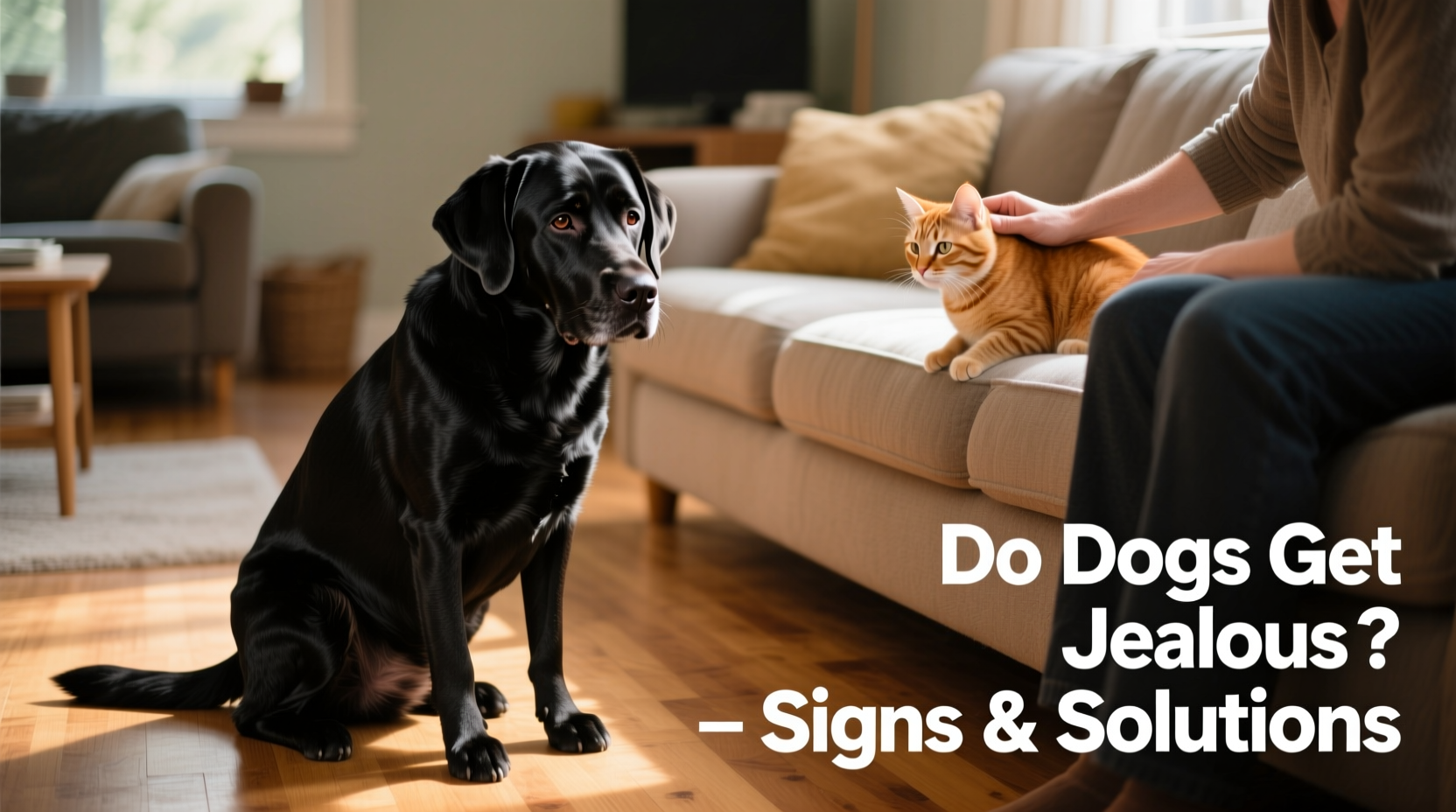
For years, scientists debated whether non-human animals could experience complex emotions like jealousy. However, a landmark 2014 study conducted at the University of California, San Diego, provided compelling evidence that dogs exhibit behaviors consistent with jealousy. In the experiment, dogs were observed while their owners ignored them to interact affectionately with a lifelike robotic dog. The results showed that many dogs responded by pushing between the owner and the \"rival,\" whining, growling, or attempting to snap at the object. These reactions were significantly stronger than when the owner was simply reading a book or interacting with a non-social object like a jack-o'-lantern.
This suggests that dogs perceive social interactions involving their owners as meaningful and react negatively when they feel excluded. Dr. Christine Harris, the lead researcher, concluded:
“Dogs show jealousy even when they can only imagine their owners are interacting with a potential rival. This indicates a cognitive component beyond simple resource guarding.” — Dr. Christine Harris, UCSD Department of Psychology
Jealousy in dogs is not about romantic love or ego, but rather about fear of losing access to vital resources—primarily attention, affection, and perceived status. In evolutionary terms, being displaced by a competitor could mean reduced care, food, or protection, making vigilance around social threats adaptive.
Common Signs Your Dog Is Feeling Jealous
Recognizing jealousy early allows you to intervene before behaviors escalate into aggression or anxiety. While every dog expresses discomfort differently, certain patterns are consistently observed when a dog feels threatened by another animal receiving attention.
- Pushing or Wedging: The dog physically inserts themselves between you and the other animal during petting or cuddling.
- Vocalizations: Excessive whining, barking, or low growling when you interact with another pet.
- Attention-Seeking Behaviors: Sudden demands for attention—nudging your hand, pawing, or bringing toys—only when you’re focused elsewhere.
- Destructive Actions: Chewing, scratching, or knocking over items in protest.
- Avoidance or Sulking: Some dogs withdraw, turning away or leaving the room entirely.
- Aggression: Snapping, lunging, or biting toward the rival animal (or even the owner) in extreme cases.
These behaviors often intensify if the owner inadvertently reinforces them by giving in to demands for attention. For example, petting a dog who starts whining during interaction with another pet teaches the dog that vocalizing leads to desired outcomes.
Tip: Observe your dog’s body language closely. A stiff posture, pinned-back ears, or intense staring can signal rising tension before overt actions occur.Effective Solutions to Manage Canine Jealousy
Addressing jealousy requires consistency, patience, and proactive training. The goal isn’t to eliminate natural emotions but to guide your dog toward healthier responses. Below are proven strategies to reduce jealousy-related behaviors and foster harmony among pets.
1. Equalize Attention Without Reinforcing Demands
It’s important to give each pet individualized time, but avoid rewarding pushy behavior. Instead of responding immediately when your dog interrupts, wait for calm behavior—such as sitting quietly—before offering affection. This teaches self-control and reduces the incentive to act out.
2. Use Positive Reinforcement Training
Train your dog to associate the presence of other animals with positive outcomes. Start by rewarding calm behavior when the other animal is nearby, even at a distance. Gradually decrease the space while continuing rewards. Over time, your dog learns that good things happen when others are around—not just when they monopolize your attention.
3. Establish Predictable Routines
Dogs thrive on routine. Set aside dedicated one-on-one time daily for walks, play, or training sessions. Knowing they have guaranteed personal time reduces anxiety about being replaced or overlooked.
4. Avoid Favoritism in Public Interactions
While it’s natural to have preferences, try to balance visible affection. If you must pet another animal, do so briefly and follow up with structured interaction with your dog—like a short game of fetch or a treat-based command session—to prevent feelings of exclusion.
5. Create Safe Personal Spaces
Ensure each pet has a designated area where they can retreat without interference. Use baby gates or separate rooms if necessary. A dog who feels secure in their own space is less likely to guard yours.
“Jealousy isn’t a flaw—it’s a communication. Your dog is telling you they feel insecure. Respond with structure, not punishment.” — Dr. Sophia Yin, Veterinary Behaviorist
Step-by-Step Guide to Reducing Jealousy Over 4 Weeks
Implementing change gradually prevents overwhelm and builds lasting habits. Follow this timeline to reshape your dog’s emotional response to shared attention.
- Week 1: Baseline Observation
Track when and how jealousy occurs. Note triggers (e.g., petting a cat), duration, and intensity. Identify patterns without intervening yet. - Week 2: Introduce Calm Rewards
Begin rewarding your dog with treats or praise when the other animal is present but no direct interaction occurs. Keep sessions short and positive. - Week 3: Controlled Exposure
Pet the other animal briefly while asking your dog to “sit” or “stay.” Reward compliance. End before tension builds. Repeat daily. - Week 4: Generalization & Maintenance
Practice in different locations and with varying levels of interaction. Continue reinforcing calmness and schedule regular one-on-one bonding time.
Do’s and Don’ts of Handling Dog Jealousy
| Do’s | Don’ts |
|---|---|
| Provide daily individual attention through walks, play, or training | Ignore your dog’s needs in favor of another pet long-term |
| Use treats to reward calm behavior around other animals | Punish jealous outbursts—they stem from insecurity, not defiance |
| Teach basic obedience commands like “stay” and “leave it” | Surrender to demanding behaviors by giving attention mid-tantrum |
| Create physical boundaries using crates or gates when needed | Force interactions—let dogs choose proximity when possible |
| Consult a professional trainer or behaviorist if aggression occurs | Assume jealousy will fade on its own without intervention |
Real-Life Example: Managing Jealousy After Adopting a Second Dog
Sarah adopted a second dog, Luna, a playful terrier mix, to keep her older German Shepherd, Max, company. Within days, Max began growling whenever Sarah played with Luna. He’d bark, block access to toys, and once snapped near Luna’s tail. Concerned, Sarah consulted a certified dog trainer.
The trainer advised her to start with separate playtimes—15 minutes of fetch with Max before engaging Luna. During joint sessions, she was taught to ask Max to sit and stay while tossing a ball to Luna, then immediately rewarding Max with a high-value treat. Over three weeks, Max’s reactivity decreased. By Week 5, he would lie down calmly nearby while Luna received belly rubs. Sarah also introduced a “safe zone” mat where Max could relax undisturbed.
“I realized I wasn’t being unfair,” Sarah said. “But Max didn’t know that. Giving him predictability made all the difference.”
Frequently Asked Questions
Can puppies be jealous too?
Yes. Even young puppies as early as 8–12 weeks old can display jealousy-like behaviors, especially if they’ve bonded strongly with a caregiver. Early socialization and consistent routines help prevent entrenched issues later.
Is jealousy the same as resource guarding?
No. Resource guarding typically involves protecting tangible items like food, toys, or sleeping areas. Jealousy is emotionally driven and centers on loss of attention or social connection. However, the two can overlap—for example, a dog may guard your lap as both a physical space and a source of affection.
Should I ever punish my dog for jealous behavior?
No. Punishment increases anxiety and can worsen aggression. Instead, redirect unwanted behavior and reward calm alternatives. Focus on building confidence, not suppressing expression.
Conclusion: Building Trust One Interaction at a Time
Dogs don’t compete for affection out of spite—they do it because they depend on you for emotional security. When your dog acts out after you pet another animal, they’re not being “dramatic”; they’re reacting to a real fear of displacement. With empathy, structure, and consistent training, you can transform these moments into opportunities for growth. Address jealousy not as a problem to suppress, but as a window into your dog’s inner world.
Start today by observing your dog’s reactions without judgment. Implement one small change—like scheduling daily solo time or rewarding calmness during interactions with other pets. Small steps compound into lasting peace. A balanced household isn’t one where all pets receive identical treatment, but one where each feels uniquely valued and secure.
💬 Have you noticed jealousy in your dog? What strategies helped restore harmony? Share your experiences in the comments to support fellow pet owners navigating the same journey.








