
Cats are beloved companions in millions of homes worldwide, but their natural hunting instincts can have unintended consequences on local ecosystems. One common solution—attaching a bell to a cat’s collar—is often promoted as a way to reduce predation on birds, rodents, and other small animals. While this approach may seem simple and effective, it raises complex ethical questions about pet ownership, wildlife protection, and animal welfare. Is it fair to modify a cat's behavior for the sake of wildlife? Does the bell actually help—or does it cause stress without meaningful conservation benefits? This article examines the science, ethics, and practical realities behind cat collars with bells.
The Science Behind Bells and Feline Hunting
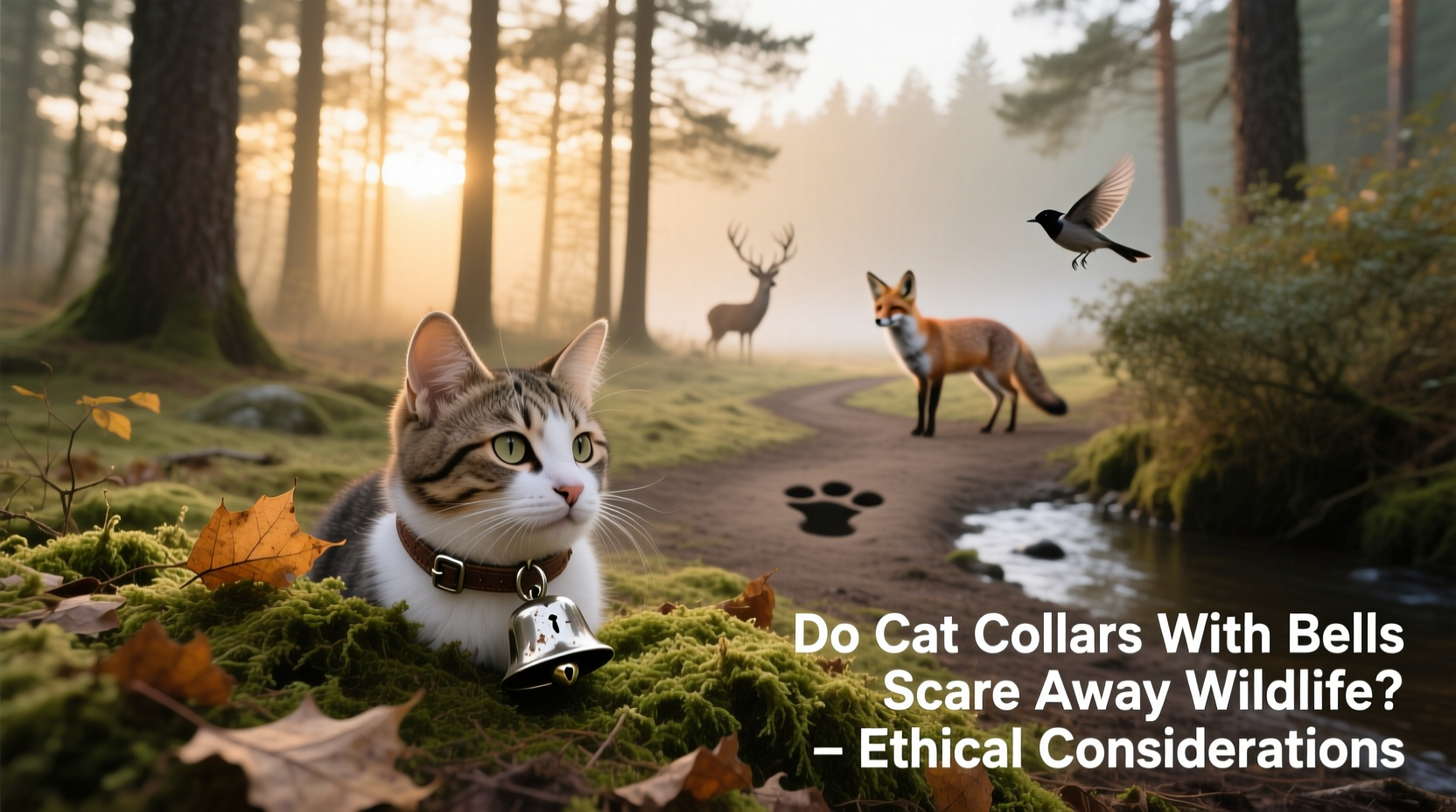
Cats are stealth predators. Their padded paws, silent movements, and acute hearing allow them to stalk prey with remarkable efficiency. When cats roam outdoors, even well-fed ones often engage in hunting behavior driven by instinct rather than hunger. Studies estimate that free-roaming domestic cats kill billions of birds and small mammals annually in the United States alone.
The theory behind attaching a bell to a cat’s collar is straightforward: the sound alerts potential prey, giving them time to escape. Research supports this idea to an extent. A 1997 study published in the journal *Animal Welfare* found that cats wearing bells caught 34–45% fewer birds and 50% fewer mice compared to those without bells. However, effectiveness varies based on bell type, placement, and individual cat behavior. Some cats learn to move more quietly or position their bodies to muffle the bell, reducing its impact over time.
Moreover, not all wildlife reacts equally to sound. Ground-dwelling rodents may be less responsive to auditory cues than birds, which rely heavily on hearing to detect threats. In urban environments with high background noise, the bell’s warning signal may also be drowned out, further diminishing its utility.
Tip: Use a double-bell system (two bells on the collar) to increase noise frequency and make it harder for prey to ignore.Ethical Dimensions of Cat Ownership and Wildlife Protection
Pet ownership comes with moral responsibilities. While many cat owners view their pets as family members, they must also recognize the broader ecological footprint these animals leave when allowed to roam freely. The debate around bells touches on deeper ethical issues: Where do we draw the line between a cat’s natural behaviors and our duty to protect native species?
On one side, proponents argue that humans introduced domestic cats into ecosystems where they didn’t evolve, making us responsible for mitigating their impact. From this perspective, using a bell is a minimal intervention that respects both feline freedom and environmental stewardship.
Opponents raise concerns about animal autonomy and well-being. They question whether it's ethical to alter a cat’s innate predatory behavior through external devices. Some worry that constant jingling could lead to stress or sensory overload, especially in sensitive individuals. There’s limited scientific evidence on long-term psychological effects, but anecdotal reports suggest some cats become anxious or withdrawn after prolonged bell use.
“Domestic cats are non-native predators in most regions. As custodians, we have a responsibility to minimize their ecological disruption.” — Dr. Sarah Thompson, Wildlife Biologist at the Urban Ecology Institute
Practical Alternatives and Comparative Effectiveness
Bells are just one tool among many designed to reduce outdoor cat predation. Each method carries different trade-offs in terms of efficacy, cost, and animal comfort. The table below compares several common strategies:
| Method | Effectiveness | Pros | Cons |
|---|---|---|---|
| Bell on collar | Moderate (30–50% reduction) | Inexpensive, easy to implement | Can be ignored over time; potential discomfort |
| Breakaway collar with reflector | Low (no direct predation reduction) | Safety-focused; prevents entanglement | No impact on hunting success |
| Camouflage “Birdsbesafe” collar cover | High (up to 87% bird reduction) | Visual deterrent; stylish options | Less effective for nocturnal hunting; may wear out |
| Controlled outdoor access (catio or leash) | Very High | Full supervision; enriching for cat | Requires owner commitment; setup cost |
| Keeping cat indoors | Near-total elimination of predation | Maximizes safety and longevity | Requires environmental enrichment |
While bells offer a low-barrier entry point, combining them with other methods often yields better results. For instance, pairing a bell with a brightly colored collar cover increases visibility and auditory warning, creating a dual-sensory deterrent.
A Real-World Scenario: The Neighborhood Conservation Dilemma
In suburban Portland, Oregon, a community group noticed a sharp decline in native songbird populations over three breeding seasons. After installing motion-sensor cameras, they identified two neighborhood cats as frequent visitors to backyard feeders and nesting areas. Concerned residents approached the owners with data and suggestions, including bell-equipped collars.
One owner agreed to try the bell immediately. Within weeks, camera footage showed the cat still patrolling but significantly fewer successful hunts. The second owner resisted, arguing that her cat had “a right to behave naturally.” Mediated discussions followed, leading to a compromise: both cats would wear Birdsbesafe collar covers during daylight hours, and one would transition to supervised outdoor time only.
This case illustrates how ethical decisions about pet management often require dialogue, empathy, and shared responsibility. While no single solution fits all situations, collaborative approaches tend to yield more sustainable outcomes.
Step-by-Step Guide to Ethically Managing Outdoor Cats
If you’re considering using a bell or other deterrent, follow this structured approach to balance your cat’s needs with ecological responsibility:
- Assess Your Cat’s Lifestyle: Determine whether your cat is indoor-only, indoor-outdoor, or fully outdoor. Fully outdoor cats pose the greatest risk to wildlife.
- Consult a Veterinarian: Ensure your cat is healthy enough for collar use. Discuss breakaway collars to prevent injury.
- Introduce the Bell Gradually: Start with short periods (15–30 minutes) to monitor for signs of distress such as hiding, reduced appetite, or excessive grooming.
- Evaluate Effectiveness: Track any changes in prey brought home. Consider using trail cameras to observe hunting behavior.
- Combine with Other Methods: Add visual deterrents like colorful collar covers or limit outdoor access to leashed walks or enclosed patios (“catios”).
- Engage with Your Community: Share findings with neighbors. Advocate for collective action if multiple cats are present in the area.
- Reassess Regularly: Monitor your cat’s behavior and local wildlife trends annually. Adjust strategies as needed.
Common Misconceptions About Cat Bells
- Myth: Bells completely stop cats from hunting.
Reality: They reduce—but don’t eliminate—successful kills. Some cats adapt by learning to stalk silently despite the noise. - Myth: All cats hate bells.
Reality: Most adjust within a few days. Sudden aversion may indicate poor fit or underlying anxiety. - Myth: Only rural areas need to worry about cat predation.
Reality: Urban and suburban green spaces support vulnerable species, including endangered birds and pollinators.
Checklist: Responsible Cat Guardian Practices
To align your pet care with ethical wildlife conservation, use this checklist:
- ✅ Use a breakaway collar with ID tags
- ✅ Attach a bell or visual deterrent if your cat goes outside
- ✅ Provide mental stimulation indoors (toys, perches, puzzle feeders)
- ✅ Keep outdoor time supervised or confined to a secure enclosure
- ✅ Spay or neuter your cat to reduce roaming and territorial aggression
- ✅ Support local wildlife initiatives (native planting, bird-safe windows)
- ✅ Educate others respectfully about the impact of free-roaming cats
“Ethics in pet ownership isn’t about perfection—it’s about intentionality. Small, consistent actions add up to meaningful change.” — Dr. Lena Patel, Animal Ethics Scholar, University of British Columbia
Frequently Asked Questions
Do bells hurt cats’ ears or cause hearing damage?
No scientific evidence suggests that standard bells cause hearing loss in cats. The sound level is typically below 60 decibels—comparable to normal conversation. However, extremely loud or vibrating bells should be avoided, especially for cats with known sensitivities.
Are there humane alternatives to bells?
Yes. Brightly colored collar covers like Birdsbesafe have been shown to reduce bird predation by up to 87%. Enclosed outdoor spaces (catios), leash training, and scheduled playtime mimic hunting behaviors safely. Transitioning to full-time indoor living is the most effective long-term solution.
What if my cat loses the bell or chews it off?
This is common, especially during initial adjustment. Use a secure snap-on attachment and inspect the collar weekly. If your cat persistently removes or damages accessories, consider switching to a more engaging alternative like daytime catio access or interactive hunting-style toys indoors.
Conclusion: Balancing Compassion for Pets and Wildlife
The decision to use a bell on your cat’s collar is more than a practical choice—it’s an ethical one. It reflects a recognition that our pets exist within larger ecological systems, and their actions ripple beyond our backyards. While bells alone won’t solve the problem of invasive predator impacts, they represent a starting point for conscientious guardianship.
True responsibility lies not in quick fixes, but in thoughtful, informed choices that honor both our companions and the natural world. Whether through bells, enclosures, or indoor enrichment, every effort counts. By staying curious, open to feedback, and committed to improvement, cat owners can become allies in biodiversity conservation—one gentle jingle at a time.
💬 Have experience with cat bells or wildlife-friendly pet practices? Share your story in the comments and help build a more informed, compassionate community of pet owners.








