Dog bites are a serious public health concern, with over 4.5 million incidents reported annually in the United States alone. While any dog can bite under certain circumstances, some breeds are statistically more involved in bite incidents due to size, strength, territorial instincts, or historical breeding purposes. Understanding which breeds are most frequently associated with bites—and why—is not about fear-mongering, but about promoting responsible ownership, proper training, and public safety. This article examines the top 10 dog breeds most commonly involved in biting incidents, explores the underlying causes, and provides actionable safety strategies for owners and the public alike.
Understanding Dog Bite Statistics and Breed Responsibility
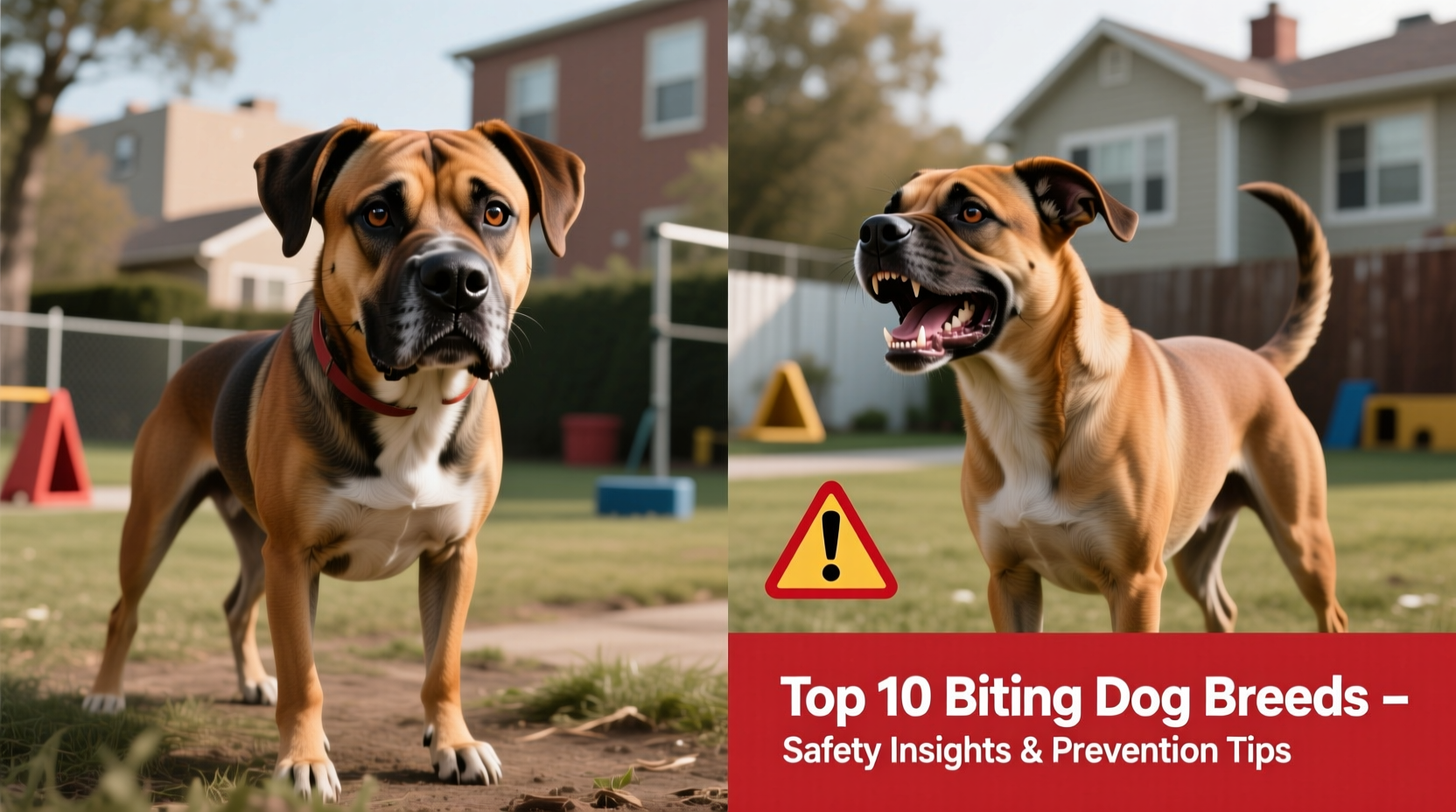
It's crucial to recognize that breed alone does not determine aggression. Factors such as training, socialization, environment, and owner responsibility play a far greater role than genetics. However, data from the Centers for Disease Control and Prevention (CDC), the American Veterinary Medical Association (AVMA), and animal control reports consistently show certain breeds appearing more frequently in severe bite cases—often due to their physical power rather than higher aggression rates.
Breeds like Pit Bulls, Rottweilers, and German Shepherds are often cited because of their strength and potential for serious injury when bites occur. Smaller breeds may bite more frequently per capita, but their injuries are less likely to be reported or require medical attention.
“Breed-specific legislation fails to address the root causes of aggression: poor training, lack of socialization, and irresponsible ownership.” — Dr. Karen Becker, DVM, Integrative Veterinarian
The Top 10 Breeds Most Commonly Involved in Biting Incidents
The following list is based on multi-year analyses of dog bite reports, hospital records, and insurance claims. It reflects frequency and severity, not inherent \"dangerousness.\" Each breed has unique traits that, when mismanaged, can increase bite risk.
| Breed | Common Reasons for Bites | Temperament When Well-Trained |
|---|---|---|
| Pit Bull Terrier | Historical fighting background, strong jaw, territorial guarding | Loyal, affectionate, excellent with families |
| Rottweiler | Protective instinct, guarding tendencies, high strength | Confident, calm, highly trainable |
| German Shepherd | Bred for police/military work, alertness, territorial nature | Intelligent, obedient, loyal |
| Bulldog | Stubbornness, low tolerance for provocation, possessiveness | Gentle, laid-back, good with children |
| Chihuahua | Fear-based aggression, small-dog syndrome, territorial barking | Affectionate, alert, lively |
| Cocker Spaniel | Sensitivity, anxiety, sudden reactivity if startled | Happy, gentle, eager to please |
| Doberman Pinscher | High energy, protective drive, need for firm leadership | Alert, fearless, devoted |
| Boxer | Playful mouthing, high energy, lack of bite inhibition | Fun-loving, patient, great with kids |
| Labrador Retriever | Excitement during greetings, mouthing behavior, food guarding | Outgoing, friendly, one of the most family-friendly breeds |
| Alaskan Malamute | Strong prey drive, independence, dominance challenges | Playful, dignified, pack-oriented |
Why Dogs Bite: The Real Triggers Behind Aggression
Most dog bites occur due to identifiable triggers, not random violence. Recognizing these warning signs can prevent many incidents:
- Fear or anxiety: A scared dog may bite if cornered or threatened.
- Protecting resources: Food, toys, puppies, or territory can provoke defensive behavior.
- Pain or illness: An injured or sick dog may snap when touched.
- Poor socialization: Dogs not exposed to people, animals, or environments early in life may react aggressively to novelty.
- Overstimulation: Excessive petting, loud noises, or rough play can overwhelm a dog.
Children are disproportionately affected in dog bite cases, often due to unintentional provocation—pulling tails, hugging too tightly, or approaching while eating. Teaching kids respectful interaction is critical.
Real Example: A Preventable Incident
In suburban Ohio, a 5-year-old boy approached a neighbor’s fenced-in Rottweiler, offering a snack through the chain-link. The dog, normally docile, lunged and bit the child’s hand. Investigation revealed the dog had recently been adopted, was still adjusting, and viewed the hand-through-fence motion as intrusive. The family had no formal training plan. With proper barriers, supervision, and education, this incident could have been avoided.
Essential Safety Tips for Dog Owners and the Public
Preventing dog bites requires proactive measures from both owners and those interacting with dogs. Whether you own a high-risk breed or simply encounter dogs regularly, these strategies reduce risk significantly.
Step-by-Step Guide to Safe Interaction with Unfamiliar Dogs
- Ask the owner for permission before approaching or touching.
- Let the dog sniff your closed hand first—never reach over its head.
- Watch body language: growling, stiff posture, or pinned-back ears signal discomfort.
- Avoid direct eye contact, which dogs may perceive as a challenge.
- Never disturb a dog while eating, sleeping, or caring for puppies.
- Teach children to stand still like a tree if a dog approaches aggressively.
Checklist for Responsible Dog Ownership
- ✅ Enroll in obedience training classes within the first six months
- ✅ Socialize your dog with various people, pets, and environments
- ✅ Use a leash and secure fencing in public areas
- ✅ Neuter/spay your dog—linked to reduced aggression in many studies
- ✅ Recognize and respond to stress signals (licking lips, yawning, turning away)
- ✅ Consult a certified trainer or behaviorist at the first sign of aggression
Frequently Asked Questions
Are certain breeds banned in specific regions?
Yes, many cities and countries enforce breed-specific legislation (BSL) targeting Pit Bulls, Rottweilers, and others. However, organizations like the AVMA oppose BSL, advocating instead for laws focused on individual dog behavior and owner accountability.
Can aggressive behavior be corrected?
In most cases, yes. Early intervention, consistent training, and professional help from veterinary behaviorists can significantly improve or resolve aggression. Punishment-based methods often worsen the problem.
Are mixed-breed dogs more or less likely to bite?
There’s no conclusive evidence. Mixed breeds vary widely in genetics and upbringing. A well-socialized mixed-breed dog poses no greater risk than a purebred. Misidentification also skews bite statistics involving mixed breeds.
Conclusion: Promoting Safety Through Education and Responsibility
Dog bites are preventable. Rather than stigmatizing entire breeds, the focus should shift toward education, responsible ownership, and early intervention. Knowing which breeds are statistically more involved in incidents allows for better preparation—not fear, but awareness. Training, socialization, and understanding canine body language empower both owners and the public to coexist safely with dogs of all sizes and temperaments.
If you own a breed on this list, take pride in providing exemplary care and training. If you interact with dogs regularly, practice caution and respect. Together, we can reduce bite incidents and foster a safer environment for people and pets alike.
💬 Have experience with training high-drive breeds or preventing dog bites? Share your story or advice in the comments to help others build safer, more informed communities.








