
Bringing a kitten into your home is more than just adding a pet—it’s inviting a new member of the family. For households with children, other pets, or simply a love for joyful companionship, choosing the right kitten breed makes all the difference. The ideal family-friendly kitten combines affection, adaptability, playfulness, and a gentle temperament. From the ever-popular Ragdoll to the energetic Abyssinian, certain breeds consistently stand out for their ability to thrive in lively homes while bringing laughter and warmth to daily life.
This guide explores the most beloved kitten breeds that families adore, highlighting their personalities, care needs, and why they’re such excellent fits for homes centered around connection and fun.
Ragdoll: The Gentle Giant of Kitten Breeds
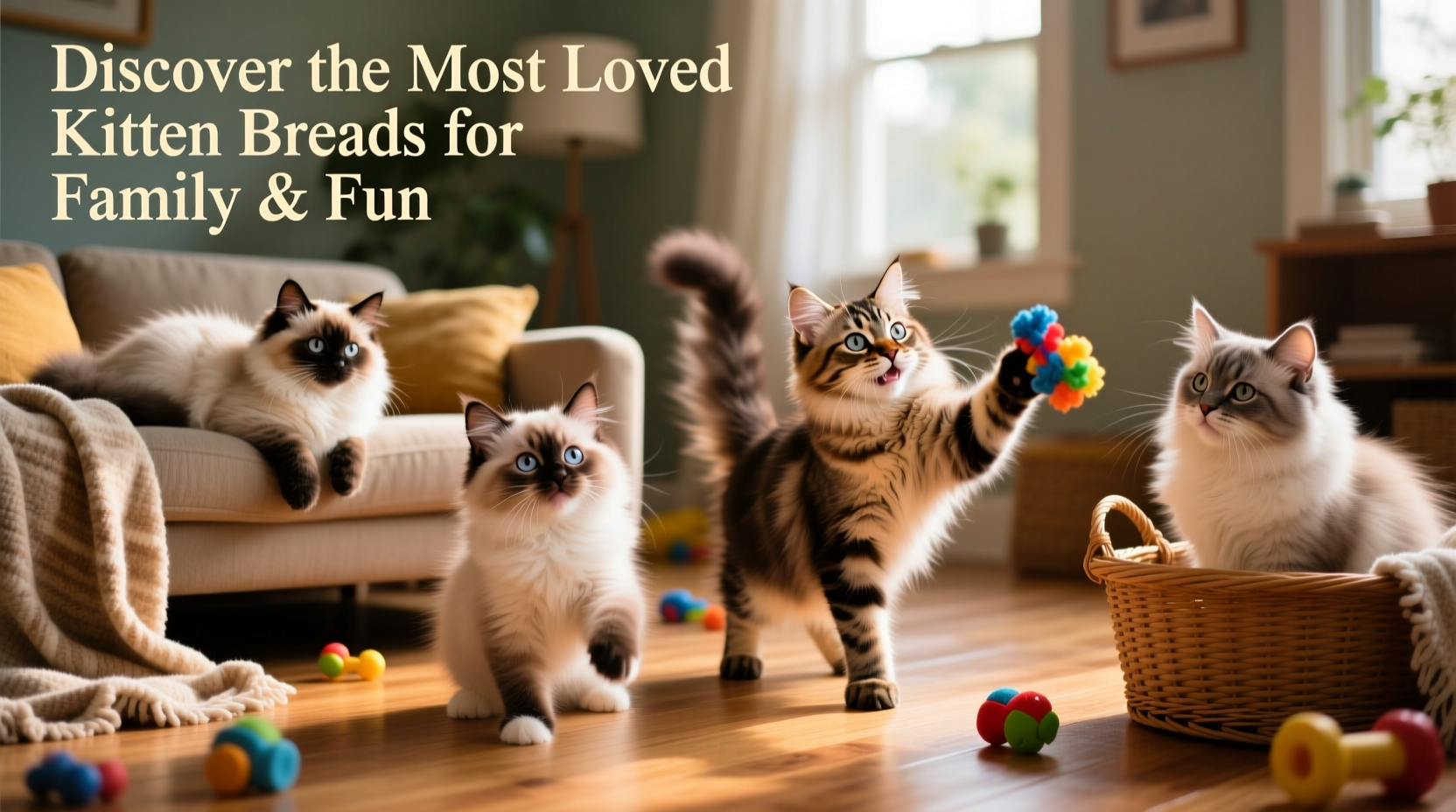
The Ragdoll earns its name from its tendency to go limp when picked up—a sign of deep trust and relaxation. Known for their striking blue eyes and semi-long, silky coats, Ragdolls are among the most sought-after family cats. They form strong bonds with their humans and often follow family members from room to room like devoted shadows.
Ragdolls are exceptionally patient and tolerant, making them ideal for homes with young children. They rarely scratch or bite during play and respond well to gentle handling. Their calm demeanor also helps them adjust easily to multi-pet households.
Tip: Brush your Ragdoll two to three times a week to prevent matting and reduce shedding.While they enjoy playtime, Ragdolls aren’t overly active. They prefer lounging on laps or watching household activity from a cozy windowsill. This balance of affection and low energy makes them perfect for both quiet evenings and busy family days.
Maine Coon: Big in Size, Bigger in Heart
If you're looking for a kitten that grows into a majestic, friendly giant, the Maine Coon is an outstanding choice. Often called \"gentle giants,\" these cats are one of the largest domesticated breeds, with males sometimes reaching over 18 pounds. Despite their size, Maine Coons are known for their sweet, dog-like personalities.
They greet family members at the door, enjoy interactive games, and can even be leash-trained for outdoor adventures. Their intelligence and curiosity make them quick learners, especially when it comes to puzzle toys and fetch.
Maine Coons get along well with dogs and other cats, thanks to their easygoing nature. They’re also highly vocal—not with loud meows, but with soft chirps and trills that seem to “talk” to their owners.
“Maine Coons have a remarkable social intelligence. They read family dynamics quickly and integrate seamlessly.” — Dr. Lena Peterson, Feline Behavior Specialist
British Shorthair: The Plush Companion
With their round faces, dense coats, and calm presence, British Shorthairs exude charm and stability. This breed is less about constant interaction and more about steady companionship. They’re the kind of kitten who’ll curl up beside you during movie night without demanding attention every second.
British Shorthairs are independent enough to handle alone time but still enjoy being part of family life. Children appreciate their sturdy build and tolerance, and parents value their low-maintenance grooming needs—just a weekly brush keeps their coat in top condition.
One of the reasons this breed remains a favorite across generations is its resilience and predictable temperament. British Shorthairs rarely exhibit sudden bursts of energy or aggression, making them reliable companions for mixed-age households.
Abyssinian: Energy and Curiosity in One Package
For families who love activity and engagement, the Abyssinian is a top contender. These kittens are endlessly curious, always exploring shelves, climbing cat trees, or investigating open drawers. Their short, ticked coat gives them a wildcat appearance, but their personality is anything but untamed—they crave human interaction.
Abyssinians form close bonds with their owners and often choose one favorite person in the household. However, they remain social with others and enjoy games that involve the whole family. Puzzle feeders, feather wands, and climbing structures keep them mentally stimulated and happy.
Because of their high energy, Abyssinians do best in homes where someone is available to engage them daily. Families with older children who understand how to play gently will find a loyal and entertaining companion in this breed.
Scottish Fold: The Sweet-Faced Cuddler
The Scottish Fold’s most distinctive feature—its folded ears—gives it an owl-like expression that instantly wins hearts. But beyond their unique look lies a deeply affectionate and adaptable personality. Scottish Folds are known for their love of perching in high places to observe the world and then hopping down for cuddles on demand.
They tend to be quieter than other breeds, communicating softly rather than loudly. This makes them suitable for apartments or homes where noise sensitivity matters. They adapt well to routines and thrive when included in daily activities, whether it’s helping (or supervising) homework or joining video calls from the desk.
Tip: Due to genetic concerns linked to ear cartilage, always adopt from a reputable breeder who prioritizes health testing.Comparing Family-Friendly Kitten Breeds
| Breed | Temperament | Kids-Friendly? | Pet Compatibility | Grooming Needs |
|---|---|---|---|---|
| Ragdoll | Gentle, affectionate, calm | ⭐⭐⭐⭐⭐ | High | Moderate (2–3x/week brushing) |
| Maine Coon | Sociable, intelligent, playful | ⭐⭐⭐⭐⭐ | Very High | Moderate (weekly brushing) |
| British Shorthair | Calm, independent, loyal | ⭐⭐⭐⭐☆ | High | Low (weekly brushing) |
| Abyssinian | Active, curious, attached | ⭐⭐⭐☆☆ (best with older kids) | Moderate | Low (bi-weekly brushing) |
| Scottish Fold | Sweet, observant, quiet | ⭐⭐⭐⭐☆ | High | Low to Moderate |
Choosing the Right Kitten: A Step-by-Step Guide
Selecting a kitten isn’t just about looks—it’s about matching lifestyle, expectations, and long-term commitment. Follow these steps to ensure a smooth transition and lasting happiness:
- Assess your household: Consider noise levels, number of children, existing pets, and daily schedules.
- Research breed temperaments: Match energy levels—high-energy families may enjoy Abyssinians, while quieter homes may prefer British Shorthairs.
- Visit breeders or shelters: Spend time with kittens to observe their behavior. Look for those who approach confidently but not aggressively.
- Ask about health history: Request proof of vaccinations, deworming, and genetic screening, especially for breeds prone to conditions like hypertrophic cardiomyopathy.
- Prepare your home: Set up a safe space with litter box, food, water, toys, and a cozy bed before bringing your kitten home.
- Introduce gradually: Allow the kitten time to adjust. Supervise interactions with children and other pets during the first few weeks.
Real-Life Example: The Thompson Family Adopts a Ragdoll
The Thompsons, a family of five including three children under 10, wanted a pet that could handle chaos with grace. After researching several breeds, they chose a female Ragdoll kitten named Luna. Within days, Luna became a calming presence in their bustling home.
She tolerated gentle hugs from the youngest child, played fetch with the older kids using crumpled paper balls, and slept curled at the foot of the parents’ bed each night. When their dog initially barked at her, Luna remained unfazed, eventually forming a nap-time routine alongside him on the living room rug.
Two years later, Luna is a central figure in family photos and bedtime routines—an affectionate, serene companion who brought more peace than they imagined possible.
Essential Checklist Before Bringing Home a Kitten
- ✔ Purchase a litter box, non-clumping litter, food and water bowls
- ✔ Choose age-appropriate kitten food (consult your vet)
- ✔ Buy toys: wand toys, balls, scratching posts
- ✔ Schedule first veterinary visit within 72 hours
- ✔ Microchip and register your kitten
- ✔ Pet-proof your home: secure cords, block small spaces, remove toxic plants
- ✔ Designate a quiet room for initial adjustment
Frequently Asked Questions
Which kitten breed is best for families with young children?
Ragdolls and Maine Coons are widely regarded as the best choices due to their patience, gentle nature, and tolerance of handling. Both breeds are less likely to react defensively during boisterous play, provided children are taught respectful interaction.
Do any kitten breeds get along well with dogs?
Yes. Maine Coons, Ragdolls, and British Shorthairs typically adapt well to canine companions, especially when introduced gradually. Early socialization plays a key role—many kittens grow up to form close bonds with dogs in the household.
Are there hypoallergenic kittens suitable for families?
No cat is truly hypoallergenic, but some breeds like the Siberian or Balinese produce lower levels of Fel d 1 protein, which triggers allergies. Regular grooming and air filtration can also reduce allergens significantly.
Start Your Family Journey with the Right Kitten
Finding the perfect kitten means finding a lifelong friend—one who will leap onto laps, chase toy mice at midnight, and offer quiet comfort on tough days. The breeds highlighted here have earned their popularity through consistent traits of affection, resilience, and joy. Whether you seek a serene lap warmer or an adventurous playmate, there’s a kitten breed ready to become part of your story.
💬 Have a favorite kitten breed or family story to share? Join the conversation and inspire others looking to bring home their next furry family member!








