
Coral reefs are among the most vibrant and biodiverse ecosystems on Earth. Home to over 25% of all marine life despite covering less than 1% of the ocean floor, they offer some of the most breathtaking underwater experiences available. For divers, snorkelers, and marine enthusiasts, exploring these submerged wonderlands is more than a pastime—it's a journey into another world. From Australia’s iconic Great Barrier Reef to the remote atolls of the Maldives, each reef presents unique conditions, wildlife, and challenges. Whether you're planning your next dive trip or simply dreaming of turquoise waters and colorful fish, knowing which reefs stand out can guide your adventure.
The Great Barrier Reef, Australia: A Living Masterpiece
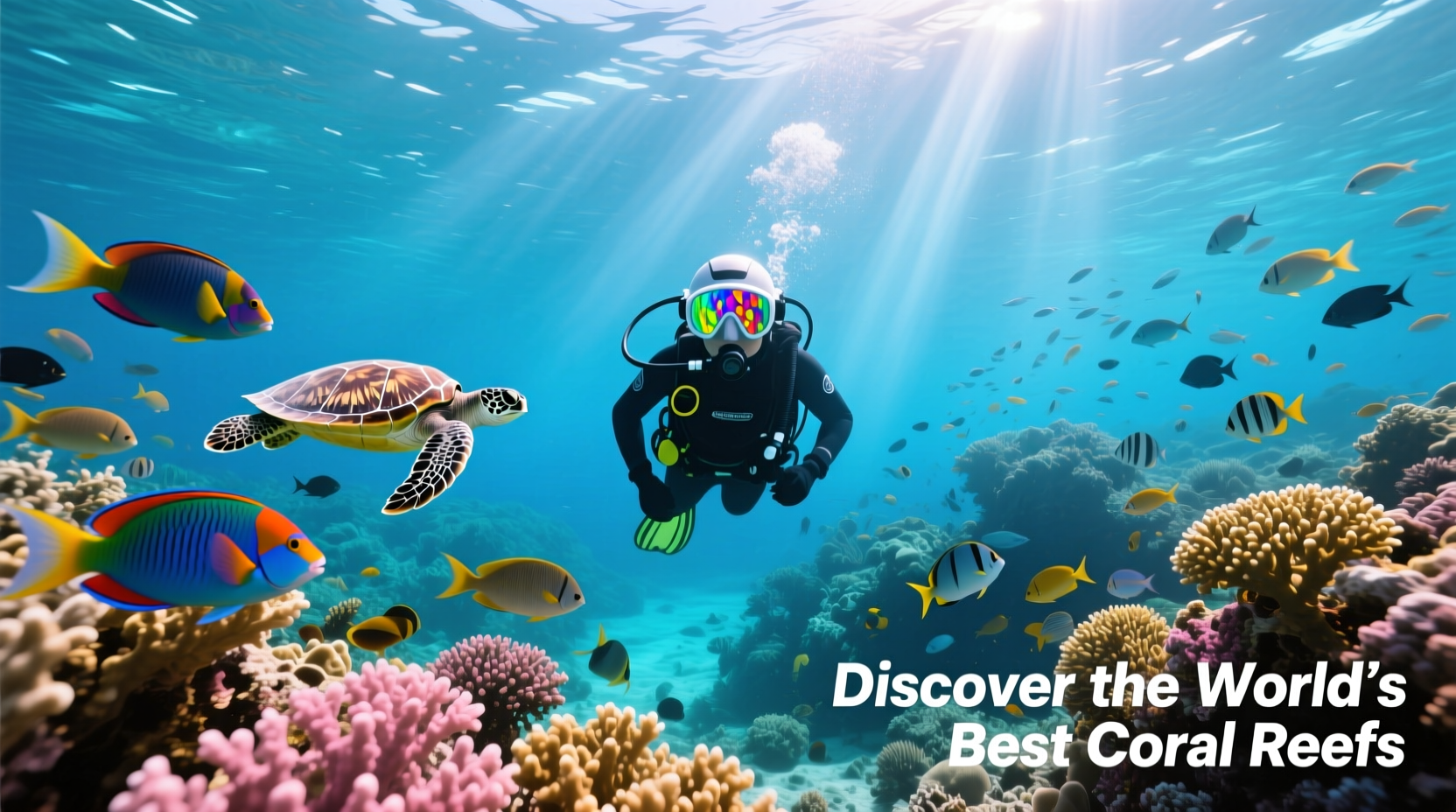
Stretching over 2,300 kilometers along Queensland’s coast, the Great Barrier Reef is the largest living structure on the planet—visible even from space. Comprising more than 2,900 individual reefs and 900 islands, it hosts an astonishing array of species: 1,500 types of fish, 400 varieties of coral, and endangered animals like dugongs and green turtles. The reef’s vastness means there’s something for every diver, from shallow lagoons perfect for beginners to deep wall dives that challenge advanced explorers.
One standout location within the system is the Cod Hole near Cairns, where giant potato cods greet divers by name—or so it seems. These curious fish have grown accustomed to human presence and often swim inches away from masks. Another highlight is Osprey Reef, located 100 km offshore, known for its shark encounters, including grey reef, silvertip, and hammerheads.
Tip: Visit between June and October for optimal visibility and calmer seas during Australia’s dry season.Raja Ampat, Indonesia: The Crown Jewel of Marine Biodiversity
If biodiversity were measured in a single destination, Raja Ampat would claim the top spot. Located off the northwest tip of Papua, this archipelago contains nearly 75% of the world’s known coral species and over 1,500 recorded fish species. Its isolation has preserved ecosystems largely untouched by mass tourism, making it a bucket-list destination for serious divers.
The region thrives due to its position at the heart of the Coral Triangle, where warm currents converge, delivering nutrients that fuel explosive marine growth. Divers here encounter pygmy seahorses no larger than a grain of rice, wobbegong sharks camouflaged against reef floors, and schools of barracuda swirling through narrow channels.
Accessibility remains limited, requiring liveaboard trips or stays at eco-resorts, but this exclusivity helps protect the environment. Misool and Wayag are two must-visit areas—one famed for soft coral gardens, the other for dramatic limestone karsts rising from crystal-clear water.
“Raja Ampat isn’t just a dive site; it’s a living laboratory of evolution.” — Dr. Mark Erdmann, Vice President of Marine Programs, Conservation International
Belize Barrier Reef: Adventure in the Western Hemisphere
The second-largest barrier reef in the world, the Belize Barrier Reef runs parallel to Central America’s Caribbean coastline. Part of a UNESCO World Heritage Site, it features three distinct atolls—including the famous Lighthouse Reef and its centerpiece, the Great Blue Hole.
This massive submarine sinkhole, over 300 meters across and 125 meters deep, draws thrill-seekers with its eerie stalactites and circling reef sharks. While not ideal for novice divers due to depth and nitrogen risks, it remains one of the most photographed underwater landmarks globally.
Beyond the Blue Hole, the reef offers gentler experiences: snorkeling with nurse sharks at Shark Ray Alley, spotting manatees in mangrove estuaries, or drifting through coral canyons teeming with angelfish and parrotfish. Ambergris Caye and Placencia serve as excellent gateways for both day trips and extended expeditions.
Top Dive Sites in Belize
| Site | Depth (m) | Highlights | Skill Level |
|---|---|---|---|
| Great Blue Hole | 125 | Stalactites, reef sharks | Advanced |
| Half Moon Caye Wall | 30–40 | Colorful sponges, eagle rays | Intermediate |
| Turneffe Atoll | 15–25 | Nurse sharks, coral gardens | All levels |
The Red Sea Reefs: Underwater Gardens of Egypt and Sudan
Renowned for their clarity, stability, and rich coloration, the coral reefs of the Red Sea stretch along Egypt, Sudan, Saudi Arabia, and Jordan. Protected by arid climates and limited freshwater runoff, these reefs enjoy exceptional visibility—often exceeding 50 meters—and resistance to bleaching compared to tropical counterparts.
In Egypt, Sharm El-Sheikh and Hurghada act as primary hubs, offering easy access to sites like Ras Mohammed National Park. Here, sheer walls drop into the abyss, lined with gorgonian fans and anthias swarms. Further south, the Brothers Islands attract pelagic lovers with regular sightings of thresher and silky sharks.
Sudan’s reefs remain relatively undiscovered, though growing in popularity among liveaboard operators. Sanganeb Atoll and the smaller Dungonab Bay host spinner dolphins, manta rays, and healthy stands of staghorn and brain corals. Strict conservation measures help preserve their condition, limiting visitor numbers and anchoring practices.
Tip: Use reef-safe sunscreen and avoid touching any coral—physical contact damages delicate polyps.Palau & Micronesia: Remote Wonders of the Pacific
In the western Pacific, Palau stands as a model of marine conservation and ecological resilience. With over 1,700 species of fish and 500 types of coral, its reefs thrive under strong environmental protections. The country banned commercial fishing in 80% of its waters in 2015, creating one of the largest marine sanctuaries on Earth.
Divers flock to the famous Blue Corner, where strong currents bring mantas, jacks, and reef sharks in feeding frenzies. Jellyfish Lake, though currently closed intermittently due to population fluctuations, once allowed swimmers to glide among millions of harmless golden jellyfish—a surreal experience found nowhere else.
Nearby Chuuk Lagoon (formerly Truk) offers a different kind of dive: a WWII shipwreck graveyard submerged in warm, clear water. Planes, tanks, and cargo ships lie intact beneath the surface, now encrusted with coral and inhabited by snapper and trevally.
Essential Checklist Before Visiting Any Coral Reef
- Research local regulations and protected zones
- Choose eco-certified dive operators
- Pack reef-safe sunscreen (zinc oxide-based, oxybenzone-free)
- Review buoyancy control skills to avoid accidental contact
- Carry a logbook or camera to document sightings responsibly
- Check travel advisories and weather forecasts
- Confirm emergency oxygen and recompression chamber availability nearby
Frequently Asked Questions
What time of year is best for diving coral reefs?
The ideal season varies by region. In tropical zones, the dry season typically brings better visibility and calmer seas. For example, Australia’s reef is best from June to October, while the Caribbean peaks between December and April. Always check regional climate patterns before booking.
How can I dive without harming the reef?
Maintain neutral buoyancy, keep fins elevated above the bottom, and never touch or stand on coral. Use a reef hook if current diving. Choose responsible operators who follow mooring protocols instead of anchoring on reefs.
Are coral reefs still worth visiting given climate change?
Absolutely. While many reefs face threats from warming oceans and acidification, numerous locations remain vibrant and actively recovering. Visiting with sustainable operators supports conservation funding and raises awareness. Your presence, when respectful, contributes to long-term protection efforts.
Real Example: A Conservation Success Story in Palau
In 2015, Palau declared 80% of its exclusive economic zone a no-take marine sanctuary. Initially met with skepticism, the move paid off within five years. Scientists documented a 13% increase in reef fish biomass and a resurgence in shark populations. Dive tourism revenue rose by 27%, proving that ecological preservation and economic benefit can coexist. Today, Palau requires all visitors to sign an eco-pledge stamped in their passport upon entry: “I take this pledge, as a guardian of the Earth…” This small ritual reinforces global responsibility.
Plan Your Next Underwater Journey
The world’s finest coral reefs offer more than stunning visuals—they connect us to the pulse of the planet’s marine health. Each dive site tells a story of adaptation, survival, and interdependence. By choosing destinations wisely, traveling sustainably, and respecting fragile ecosystems, adventurers become stewards of these irreplaceable treasures.
Whether you’re drawn to the legendary expanse of the Great Barrier Reef or the hidden coves of Raja Ampat, prepare thoroughly, dive mindfully, and carry back more than photos. Bring home a deeper appreciation for the intricate balance beneath the waves—and the urgent need to protect it.
🚀 Ready to explore the underwater wonders? Start planning your next reef adventure today—with respect, curiosity, and a commitment to leave only bubbles behind.








