
A thriving aquarium is more than just glass, water, and gravel—it’s a living ecosystem that reflects balance, care, and thoughtful planning. Choosing the right fish isn’t just about color or movement; it’s about creating harmony among species, ensuring compatibility, and supporting long-term health. The best aquarium fish contribute not only to visual appeal but also to biological stability, reducing stress on both the inhabitants and the keeper.
Selecting fish without understanding their needs often leads to poor water quality, aggression, disease, and early mortality. A successful tank begins with informed choices—species that match your tank size, water parameters, and maintenance routine. Whether you're setting up a 20-gallon community tank or a larger 75-gallon display, the right fish can transform your aquarium into a dynamic, self-sustaining environment.
Understanding Compatibility: The Foundation of a Healthy Tank
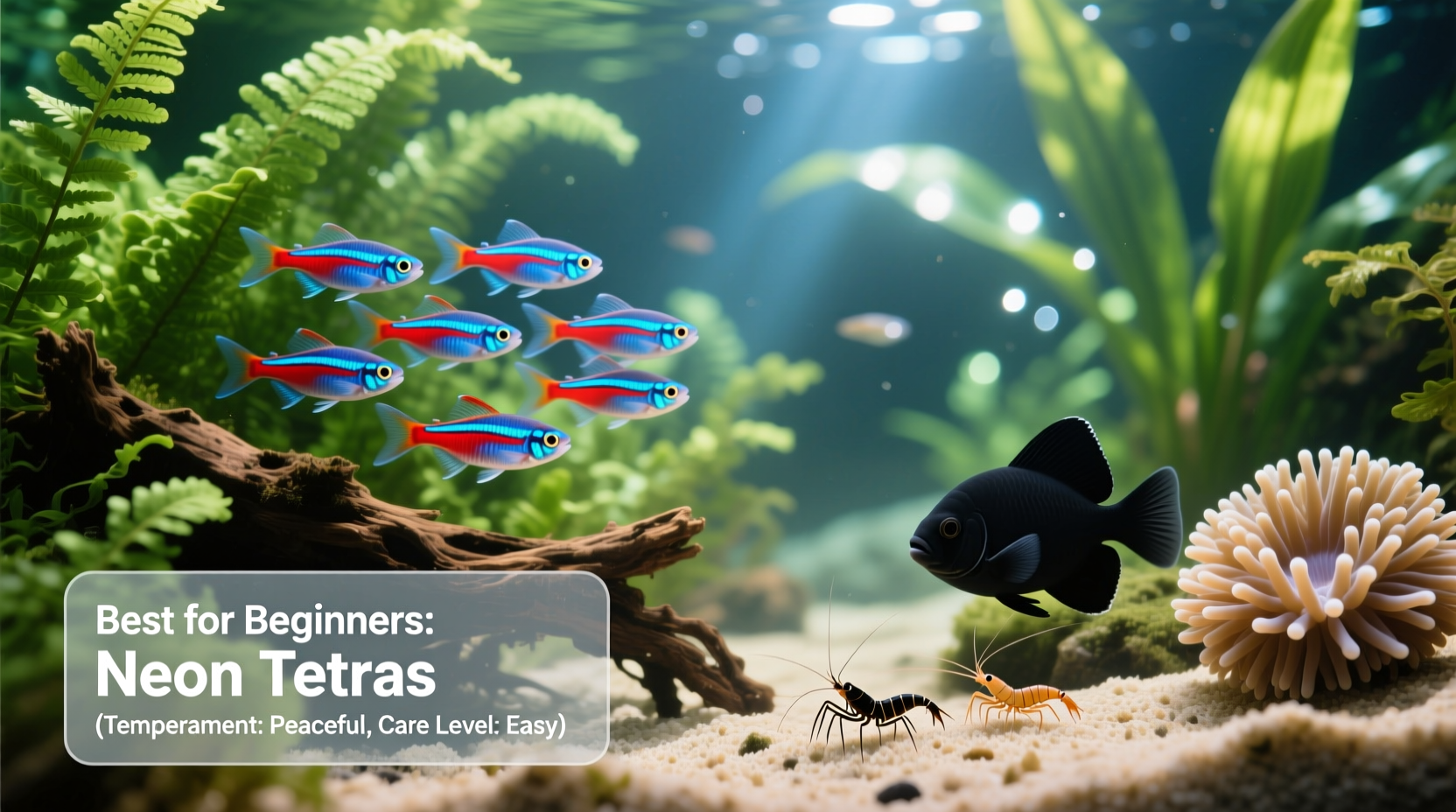
Fish compatibility hinges on temperament, size, diet, and environmental preferences. Aggressive species like Oscars or Jack Dempseys may dominate smaller, peaceful fish. Conversely, overly timid fish may hide constantly if housed with boisterous tank mates. Matching energy levels and social behaviors is essential.
Water chemistry plays a crucial role too. Some fish thrive in soft, acidic water (like tetras), while others require hard, alkaline conditions (such as African cichlids). Mixing species with vastly different pH, hardness, or temperature needs creates chronic stress, weakening immune systems and inviting disease.
Tip: Always research the native habitat of a fish before adding it to your tank—mimicking natural conditions increases longevity and vibrancy.Key Factors in Fish Compatibility
- Temperament: Peaceful, semi-aggressive, or aggressive?
- Size: Will the fish outgrow the tank or prey on smaller companions?
- Swimming Level: Surface, mid-water, or bottom dwellers? Distributing species across zones maximizes space use.
- Diet: Herbivores, omnivores, or carnivores? Ensure feeding routines meet all dietary needs.
- Water Parameters: Temperature, pH, and hardness must align across species.
Top 10 Best Aquarium Fish for a Vibrant, Balanced Tank
The following species are widely recognized by aquarists and marine biologists for their resilience, beauty, and contribution to tank health. These fish are beginner-friendly yet rewarding for experienced keepers, offering a mix of color, activity, and ecological function.
- Neon Tetra – Small, shimmering blue-red fish ideal for schools of six or more. Prefer soft, slightly acidic water and peaceful environments.
- Guppy – Colorful, active livebearers that reproduce readily. Males are especially vibrant. Avoid housing with fin-nippers.
- Cherry Barb – Subtly colored with red hues during breeding. Calm and adaptable, they do well in planted tanks.
- Corydoras Catfish – Bottom-dwellers that scavenge leftover food and detritus. Social and peaceful, best kept in groups of five or more.
- Otocinclus Catfish – Excellent algae eaters, especially for soft-leaved plants. Require established tanks with biofilm and supplemental feeding.
- Honey Gourami – Gentle labyrinth fish with golden tones. Adapt well to various water conditions and add vertical movement.
- Harlequin Rasbora – Hardy schooling fish with a distinctive triangular patch. Active but non-aggressive.
- Bristlenose Pleco – Smaller than common plecos, excellent for algae control. Needs driftwood and hiding spots.
- Zebra Danio – Fast-moving, cold-tolerant fish that thrive in well-oxygenated water. Great for top-level activity.
- German Blue Ram – A dwarf cichlid with striking blue and yellow patterns. Requires stable, warm water and peaceful neighbors.
Fish That Support Tank Health: Beyond Aesthetics
Some fish offer functional benefits beyond visual appeal. Bottom feeders like Corydoras prevent detritus buildup, while Otocinclus and Bristlenose Plecos help manage algae growth naturally, reducing reliance on chemical treatments or manual scrubbing.
Schooling fish such as tetras and rasboras promote water circulation through constant movement, which enhances oxygen distribution. Their presence also discourages territorial dominance, as their numbers create a balanced social structure.
“Choosing fish with ecological roles—algae grazing, detritus consumption, water movement—creates a more resilient and self-regulating aquarium.” — Dr. Lena Torres, Aquatic Biologist
Step-by-Step Guide to Stocking Your Tank Responsibly
Adding fish haphazardly risks overstocking and system collapse. Follow this timeline to build a stable, vibrant aquarium.
- Week 1–4: Cycle the Tank
Establish beneficial bacteria using ammonia sources (fish food or pure ammonia). Test for ammonia, nitrite, and nitrate weekly until readings show 0 ppm ammonia, 0 ppm nitrite, and 20–40 ppm nitrate. - Week 5: Add First Fish
Introduce 2–3 hardy, small species (e.g., zebra danios or white cloud mountain minnows). Float the bag for 15 minutes, then drip-acclimate over 30–60 minutes. - Week 6–8: Monitor Water
Test parameters every other day. Perform 25% water changes if nitrates exceed 50 ppm. - Week 9–10: Add Second Group
Introduce another compatible species, preferably from a different swimming zone (e.g., corydoras). - Week 12+: Gradual Expansion
Add remaining fish in small groups, waiting at least one week between additions. Never exceed 1 inch of fish per gallon rule-of-thumb for small species.
Common Mistakes and How to Avoid Them
| Mistake | Consequence | Prevention |
|---|---|---|
| Overstocking | Poor water quality, oxygen depletion, stress | Follow stocking guidelines; prioritize quality over quantity |
| Mixing aggressive species | Injury, death, hiding behavior | Research temperament; separate incompatible fish |
| Ignoring water parameters | Chronic illness, shortened lifespan | Test weekly; adjust pH, hardness, and temperature as needed |
| Skipping acclimation | Shock, osmotic stress, death | Always float and drip-acclimate new fish |
Real Example: Building a 30-Gallon Community Tank
Sarah, a hobbyist in Portland, wanted a lively but low-maintenance tank. She set up a 30-gallon aquarium with live plants, a gentle filter, and LED lighting. After cycling for four weeks, she added six neon tetras and four zebra danios. Two weeks later, she introduced a school of six cherry barbs and a trio of bronze corydoras. Finally, she added a single Bristlenose Pleco for algae control.
Within two months, the tank stabilized. Nitrate levels remained below 30 ppm with biweekly 20% water changes. The fish displayed natural schooling behavior, vibrant colors, and no aggression. Sarah credits her success to slow stocking, proper research, and regular testing.
Checklist: Preparing for New Fish
- ✅ Confirm tank is fully cycled (ammonia and nitrite at 0 ppm)
- ✅ Match water temperature and pH to species requirements
- ✅ Research adult size and social needs
- ✅ Acclimate fish slowly using the drip method
- ✅ Quarantine new arrivals if possible
- ✅ Observe behavior closely for first 48 hours
- ✅ Adjust feeding schedule to accommodate new diets
FAQ
Can I keep bettas with community fish?
Male bettas are territorial and may attack other colorful or flowing-finned fish. They can coexist with fast-moving bottom dwellers like corydoras or snails, but careful observation is required. Female bettas in groups (sororities) need larger tanks and specific setups.
How many fish can I have in a 20-gallon tank?
As a general guideline, allow 1 inch of adult fish length per gallon for small, slender species. For example, you could house ten 2-inch tetras, plus a few small bottom dwellers. Larger or wider-bodied fish (like gouramis) require more space per inch.
Do I need a heater for tropical fish?
Yes. Most popular aquarium fish are tropical and require stable temperatures between 75°F and 80°F (24°C–27°C). A reliable heater with a thermostat is essential, especially in cooler climates.
Conclusion: Build a Living Masterpiece
A vibrant aquarium is not built overnight—it evolves through patience, knowledge, and consistent care. The best fish aren’t just the brightest or most exotic; they’re the ones that thrive in your environment, support each other, and contribute to a balanced underwater world. By prioritizing compatibility, responsible stocking, and ongoing maintenance, you create more than a display—you cultivate a sustainable aquatic ecosystem.
🚀 Ready to upgrade your aquarium game? Start with one new compatible species this week, observe its impact, and share your journey with fellow enthusiasts. A healthier, more vibrant tank is within reach.








