Phone cases have evolved from simple protective shells into fashion statements. Among the most eye-catching options are diamond-encrusted and rhinestone-studded designs. At first glance, both promise glamour and personality. But beneath the sparkle lies a practical question: does the bling last? And more importantly, is investing in either option truly worth it? Whether you're drawn to luxury or just want a standout accessory, understanding the differences between diamonds and rhinestones—especially in terms of longevity, cost, and real-world use—is essential.
Diamond Phone Cases: Luxury with Limitations
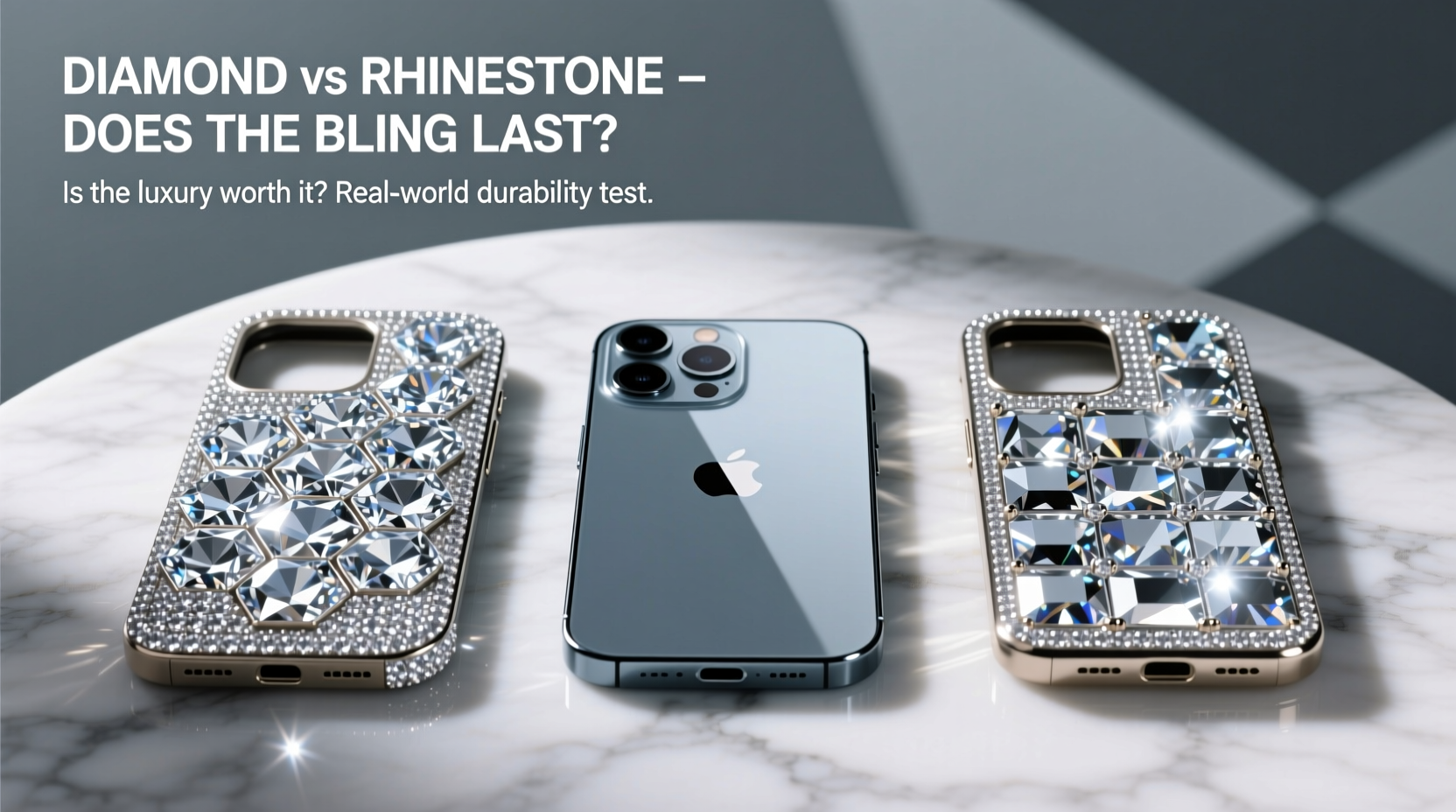
When we say “diamond,” we’re not usually referring to natural gemstones mined from the earth—those would be prohibitively expensive and impractical for mass-market phone cases. Instead, most “diamond” phone cases use lab-created or simulated diamonds (like cubic zirconia) that mimic the brilliance of real diamonds. These stones are often hand-set or precision-mounted on premium silicone, leather, or metal-backed cases.
The appeal is undeniable: high-end aesthetics, exceptional light refraction, and a sense of exclusivity. Brands like Casetify’s Luxe line or niche jewelers offering custom iPhone encasements market these as wearable art. However, the reality of daily use reveals several drawbacks.
Diamonds—even simulated ones—are heavy. This added weight increases stress on your phone during drops. Additionally, the settings can loosen over time, especially if the case isn’t meticulously constructed. Once a stone pops off, replacing it often requires professional service or renders the case visually unbalanced.
“While simulated diamonds offer unmatched sparkle, their durability in mobile accessories is compromised by constant handling and environmental exposure.” — Lena Torres, Product Design Consultant at MobileStyle Labs
Rhinestone Cases: Affordable Glamour with Trade-offs
Rhinestones, typically made from acrylic, glass, or leaded crystal (like Swarovski), are significantly lighter and cheaper than even lab-grown diamonds. They’re embedded into flexible TPU or silicone cases using adhesive backing or heat sealing. Their affordability makes them popular for seasonal trends, gifts, or temporary style upgrades.
The initial shine is impressive. Rhinestones catch light well and come in endless colors and patterns—from full glitter coverage to minimalist geometric accents. However, this shine rarely lasts beyond a few months of regular use. The adhesive weakens due to pocket friction, temperature changes, and cleaning routines. Stones begin to fall out, leaving behind uneven patches that detract from the original design.
Another issue is texture. Fully rhinestone-covered cases can feel rough in the hand and may attract lint and dust. Some users report difficulty placing the phone on flat surfaces without scratching the stones.
Tip: If you love rhinestones, opt for cases with partial embellishment—such as corner accents or a central motif—to reduce wear and extend visual life.Comparing Longevity: How Long Does the Bling Last?
Both diamond and rhinestone cases face similar enemies: impact, pressure, moisture, and everyday abrasion. But their response to these factors differs significantly.
| Feature | Diamond Case (Simulated) | Rhinestone Case |
|---|---|---|
| Average Lifespan | 6–12 months (with care) | 3–6 months |
| Stone Retention | Moderate to good (if set properly) | Poor to moderate (adhesive fails quickly) |
| Scratch Resistance | High (harder materials) | Low to medium (softer coatings) |
| Cost Range | $70–$250+ | $15–$50 |
| Repairability | Sometimes possible via jeweler | Rarely repairable; usually replaced |
| Best For | Special occasions, collectors, photo props | Casual use, short-term style, gifts |
The data shows a clear trade-off: higher upfront cost for better materials and slightly longer performance, but neither option excels in long-term resilience compared to standard protective cases.
Real-World Example: A Six-Month Wear Test
Sophia, a marketing executive in Austin, bought a high-end simulated diamond case for her iPhone 14 Pro to match her work wardrobe. Priced at $180, it featured micro-paved cubic zirconia across the back and sides. She used it daily for six months, avoiding extreme conditions but carrying her phone in her purse alongside keys and makeup.
By month three, two stones near the charging port had fallen out. By month five, four more were missing, and the gold plating began to tarnish. She attempted to glue one stone back, but the adhesive didn’t hold. After six months, she switched to a plain leather case, calling the diamond version “beautiful but impractical.”
In contrast, her friend Jamal bought three different rhinestone cases online for under $20 each. One lost half its stones within eight weeks. Another started peeling after being cleaned with a disinfectant wipe. Only the Swarovski-branded model held up reasonably well—but still showed visible wear by month four.
Is It Worth It? Evaluating Value Beyond Sparkle
Worthiness depends on how you define value. If your priority is aesthetic impact for events, social media, or personal joy, then yes—a diamond or rhinestone case can be worth it, even with limited lifespan. The emotional return matters.
But if you prioritize function, protection, and cost-efficiency, the answer shifts. Most embellished cases sacrifice grip, drop protection, and scratch resistance for beauty. Raised stones create uneven contact points, increasing the risk of screen-first impacts. Many aren’t compatible with wireless charging unless the center is left bare.
Consider this: a $200 diamond case offers less protection than a $40 OtterBox. And unlike a durable case that lasts years, blinged-out versions often need replacement annually—or more frequently. That recurring cost adds up.
When a Bling Case Makes Sense
- You use it seasonally or for special events only.
- You enjoy rotating accessories like jewelry or watches.
- You’re willing to handle the phone gently and store it separately.
- You value self-expression over utility.
When to Skip It
- You frequently drop your phone or use it outdoors.
- You rely on rugged protection or waterproof features.
- You dislike maintenance or visible wear.
- Your budget favors long-term investments.
How to Maximize Bling Longevity: A Step-by-Step Guide
If you’ve decided to go glam, follow these steps to protect your investment and extend the life of your sparkly case:
- Choose Quality Over Quantity: Opt for cases with individually set stones rather than spray-on glitter. Look for brands that specify “hand-set” or “Swarovski crystals.”
- Avoid Moisture Exposure: Don’t take the phone into showers, saunas, or swimming pools. Humidity weakens adhesives and causes metal settings to corrode.
- Clean Gently: Use a soft, dry microfiber cloth. Never use alcohol-based cleaners or abrasive wipes—they strip coatings and degrade glue.
- Store Separately: Keep the phone in a pouch or compartment away from keys, coins, or other hard objects that can knock loose stones.
- Limit Wireless Charging: If using Qi charging, ensure the stone layout doesn’t interfere. Heat buildup can accelerate adhesive failure.
- Inspect Monthly: Check for loose stones. If found early, some jewelers can re-secure them before loss occurs.
Frequently Asked Questions
Can I replace fallen rhinestones myself?
Yes, but results vary. You can use jewelry-grade epoxy and tweezers to reattach loose stones, but matching color and alignment is difficult. Most DIY fixes are temporary and may look uneven.
Do real diamond phone cases exist?
Technically, yes—but they’re rare, custom-made, and cost thousands. These are collector’s items or celebrity commissions, not everyday products. What’s sold commercially uses simulated diamonds.
Are rhinestone cases bad for my phone?
Not directly, but poor-quality cases can trap heat, block ports, or fail to absorb shock. Always verify that the case maintains access to speakers, cameras, and buttons while providing adequate edge protection.
Final Verdict: Shine Smart
Diamond and rhinestone phone cases deliver on glamour but fall short on endurance. The bling rarely lasts beyond a year—sometimes much less—and whether it’s worth it depends entirely on your lifestyle and expectations. For those who cherish beauty and change styles often, these cases offer justified delight. For others seeking reliability and protection, they’re better suited as occasional accessories than daily drivers.
Instead of choosing between full sparkle and zero shine, consider a balanced approach: select a durable base case in a bold color or texture, then add removable charm clips or magnetic decorations for flair. This way, you get lasting protection with customizable glam—without sacrificing practicality.
🚀 Ready to rethink your phone style? Share your experience with bling cases below—what lasted, what failed, and what you’d buy again!








