The final course of a meal is often the most memorable—not just because of sweetness, but because of how it’s served. A scoop of vanilla bean ice cream might be delicious on its own, but place it in a chilled goblet layered with berries and sauce, and suddenly it becomes an event. This raises a compelling question: does the vessel truly affect how a dessert tastes? While flavor comes from ingredients and technique, mounting evidence in sensory science suggests that the container—its shape, size, transparency, and even weight—can subtly reshape our perception of taste.
From fine dining restaurants to home kitchens, the choice between a dessert goblet and a traditional bowl isn’t just about aesthetics. It reflects an understanding of how design influences experience. Let’s explore the science, psychology, and practical considerations behind this decision to determine whether form can indeed elevate function when it comes to dessert enjoyment.
The Psychology of Plate (and Glass) Shape
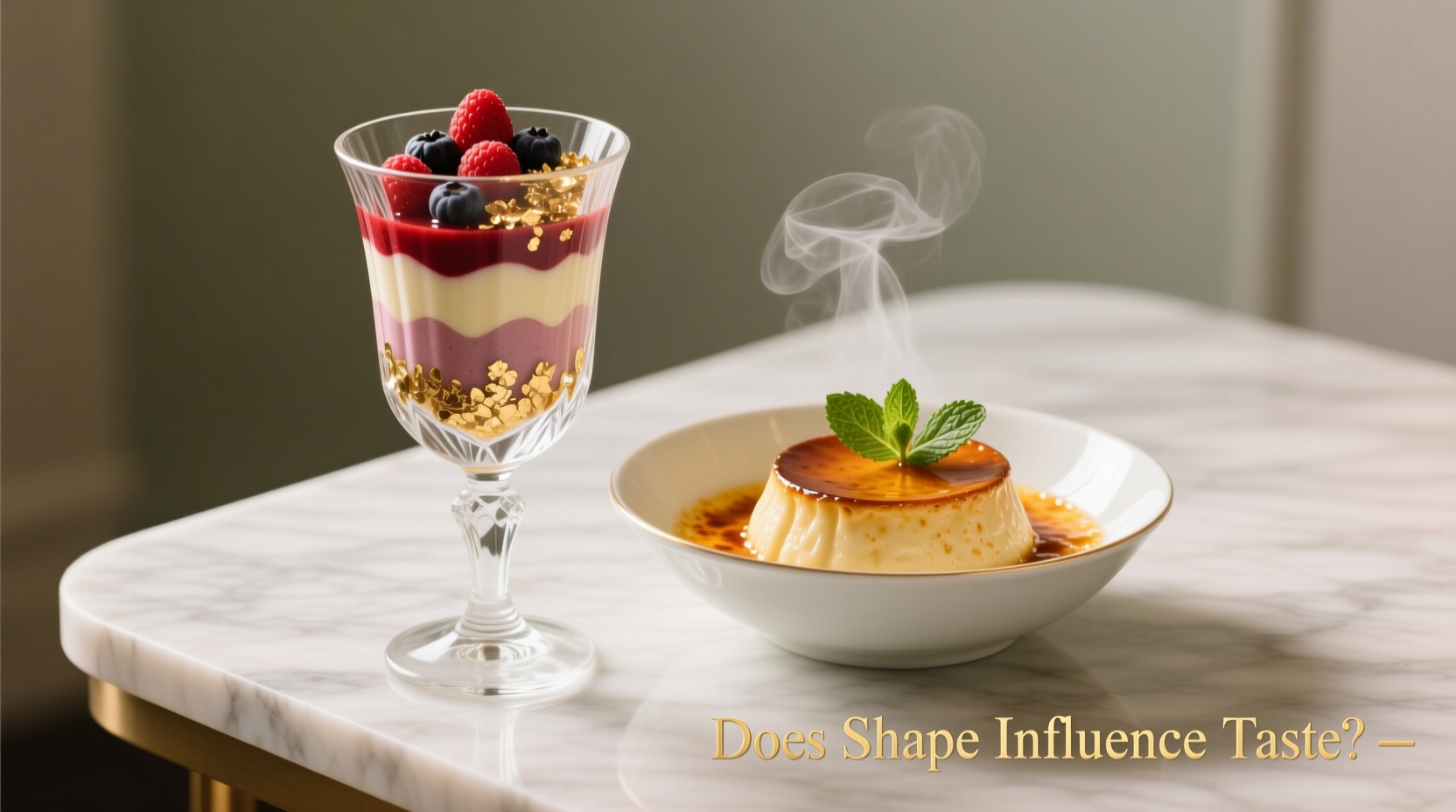
Our brains don’t process food in isolation. They rely on visual cues, texture, temperature, and even sound to construct what we perceive as “taste.” This multisensory integration means that changing the serving vessel alters expectations before the first bite.
Research from the field of gastrophysics—the scientific study of how our senses interact with food—shows that tall, narrow containers are consistently associated with intensity. In one study, participants rated identical strawberry mousse as 10–15% sweeter when served in a tall glass compared to a wide, shallow bowl, despite no difference in sugar content. The verticality suggested concentration, leading tasters to anticipate bolder flavors.
In contrast, wide, open bowls signal abundance and comfort. They evoke homestyle desserts like cobbler or rice pudding—foods meant to be savored slowly, spooned generously. The horizontal spread gives the impression of more volume, which can subconsciously influence satiety and satisfaction.
“People don’t just eat with their mouths—they eat with their eyes, ears, and hands. The moment a dessert comes into view, the brain begins constructing flavor.” — Dr. Charles Spence, Professor of Multisensory Design, University of Oxford
Material Matters: Glass vs Ceramic
Beyond shape, the material of the serving dish plays a critical role in both function and perception. Dessert goblets are typically made of clear glass or crystal, while dessert bowls are commonly ceramic, porcelain, or stoneware. Each has distinct advantages.
| Feature | Dessert Goblet (Glass) | Dessert Bowl (Ceramic) |
|---|---|---|
| Visual Appeal | Allows layering visibility; ideal for parfaits, mousses, trifles | Opaque; focuses attention on surface texture and color |
| Temperature Retention | Cools quickly; good for chilled desserts | Insulates well; retains warmth for baked or spiced desserts |
| Mouthfeel Interaction | Smoother, cooler contact with lips and spoon | Warmer, heavier feel; more tactile feedback |
| Perceived Formality | Often seen as elegant, modern, upscale | Versatile—can be rustic or refined depending on style |
| Durability | More fragile; prone to chipping or breakage | Generally more durable for daily use |
When to Choose a Goblet Over a Bowl
The best choice depends on the dessert’s composition and the experience you want to create. Goblets excel when layering, transparency, or elegance is key. Consider using a goblet for:
- Parfaits with alternating layers of yogurt, granola, and fruit
- Chocolate mousse with visible ripples and garnishes
- Fruit salads with colorful components that benefit from visibility
- Cheesecake fillings served with berry coulis at the bottom
- Chilled panna cotta with a glossy top and jam base
The vertical dimension encourages eating from top to bottom, creating a built-in progression of flavors. Each spoonful can deliver a different ratio of components, making the experience dynamic.
A Real Example: The Trifle Transformation
At a small dinner party in Portland, host and amateur pastry enthusiast Maya served her signature lemon trifle. One night, she presented it in a large ceramic bowl—delicious, but guests commented it felt “a bit heavy.” The next week, she portioned the same recipe into individual glass goblets. The response was markedly different. Guests described the dessert as “lighter,” “more refreshing,” and “perfectly balanced,” even though the ingredients were identical.
Maya noted, “The layers looked intentional in the glass. People could see the sponge, curd, and cream separated cleanly. It felt more special—even though it was the same spoonfuls.” This illustrates how structure and visibility can elevate perceived quality.
The Role of Weight and Ergonomics
How a dish feels in the hand contributes to satisfaction. Heavier bowls—especially thick ceramic ones—signal substance and value. They’re associated with comfort foods like bread pudding or warm apple crisp. The weight slows down consumption, encouraging mindfulness.
Goblets, by comparison, are lighter and taller. This can make them slightly less stable, especially when filled. However, their height brings the dessert closer to the nose, enhancing aroma—a critical component of flavor. A 2020 study published in Flavour Journal found that desserts served in taller vessels released more volatile compounds toward the diner, intensifying the initial scent and boosting perceived richness.
Ergonomics also matter. Wide bowls allow for easier scooping and are more forgiving with thicker textures. Goblets require smaller spoons and more precision, which can slow down eating and increase enjoyment through pacing.
Step-by-Step: Choosing the Right Vessel for Your Dessert
- Assess the texture: Is it creamy, chunky, layered, or uniform? Layered desserts benefit from transparent goblets.
- Consider temperature: Cold desserts shine in pre-chilled glass; warm desserts retain heat better in ceramic.
- Evaluate formality: Goblets lean formal or modern; bowls can be dressed up or down.
- Think about portion size: Individual servings in goblets feel personalized; shared bowls encourage communal dining.
- Test the spoon dynamics: Will the depth allow easy access? Avoid overly deep goblets for thick puddings.
- Match the occasion: Anniversary dinner? Try crystal goblets. Family Sunday roast? A rustic bowl may feel more welcoming.
FAQ
Can the color of the dish affect taste?
Yes. Studies show that white plates enhance sweetness perception, while black or dark dishes can make food seem more intense or savory. For desserts, neutral or light-colored bowls tend to highlight sweetness and freshness.
Are plastic or metal dessert containers acceptable?
For casual settings, high-quality plastic (like acrylic goblets) can work, especially outdoors. Metal is generally avoided for desserts due to temperature conductivity and aesthetic mismatch, unless part of a deliberate design (e.g., copper mugs for sorbet).
Does the spoon make a difference too?
Absolutely. Smaller spoons encourage slower eating and smaller bites, increasing perceived richness. Lightweight plastic spoons dull the experience; metal or wood enhances it.
Checklist: Selecting Your Ideal Dessert Vessel
- ☐ Match vessel type to dessert texture (layered → goblet, chunky → bowl)
- ☐ Pre-chill glass for cold desserts
- ☐ Warm ceramic bowls slightly for hot desserts (optional)
- ☐ Ensure the rim is smooth and comfortable against the lips
- ☐ Use clear glass only if layers are neat and visually appealing
- ☐ Consider portion size—avoid overfilling goblets
- ☐ Align style with occasion (elegant, rustic, playful)
Conclusion: Shape Shapes Experience
The answer isn’t whether a goblet or bowl makes a dessert objectively taste better—it’s that each shapes the experience differently. A goblet can elevate a simple mousse into something theatrical, amplifying sweetness and sophistication through visibility and height. A bowl offers warmth, stability, and familiarity, ideal for desserts meant to comfort.
Ultimately, the vessel doesn’t change the chemical composition of flavor, but it reshapes expectation, aroma, pacing, and emotional resonance—all of which feed into how we perceive taste. In mindful dining, where every detail counts, choosing the right container is not mere decoration. It’s a silent collaborator in flavor.
🚀 Next time you serve dessert, try presenting the same treat in two different vessels. Taste them side by side. Notice the differences—not just on your tongue, but in your mind. Then share your findings with someone who appreciates good food and great details.








