Walk into any boutique pet store or scroll through premium pet subscription boxes, and you’ll see them—luxury dog toys with designer labels, artisan stitching, and price tags that rival children’s toys. From $40 squeaky sloths to $60 unicorn plushies, the market for high-end dog toys is booming. But beneath the branding and Instagram-worthy packaging lies a practical question every dog owner should ask: Are these boujee plush toys actually better for your dog, or is it all just marketing smoke and mirrors?
The answer isn’t black and white. While some premium toys offer real benefits in durability, safety, and design, others are simply overpriced versions of what you can find at a discount retailer. Understanding the differences—and knowing your dog’s play style—is key to making smart choices without overspending.
What Makes a Dog Toy “Designer”?
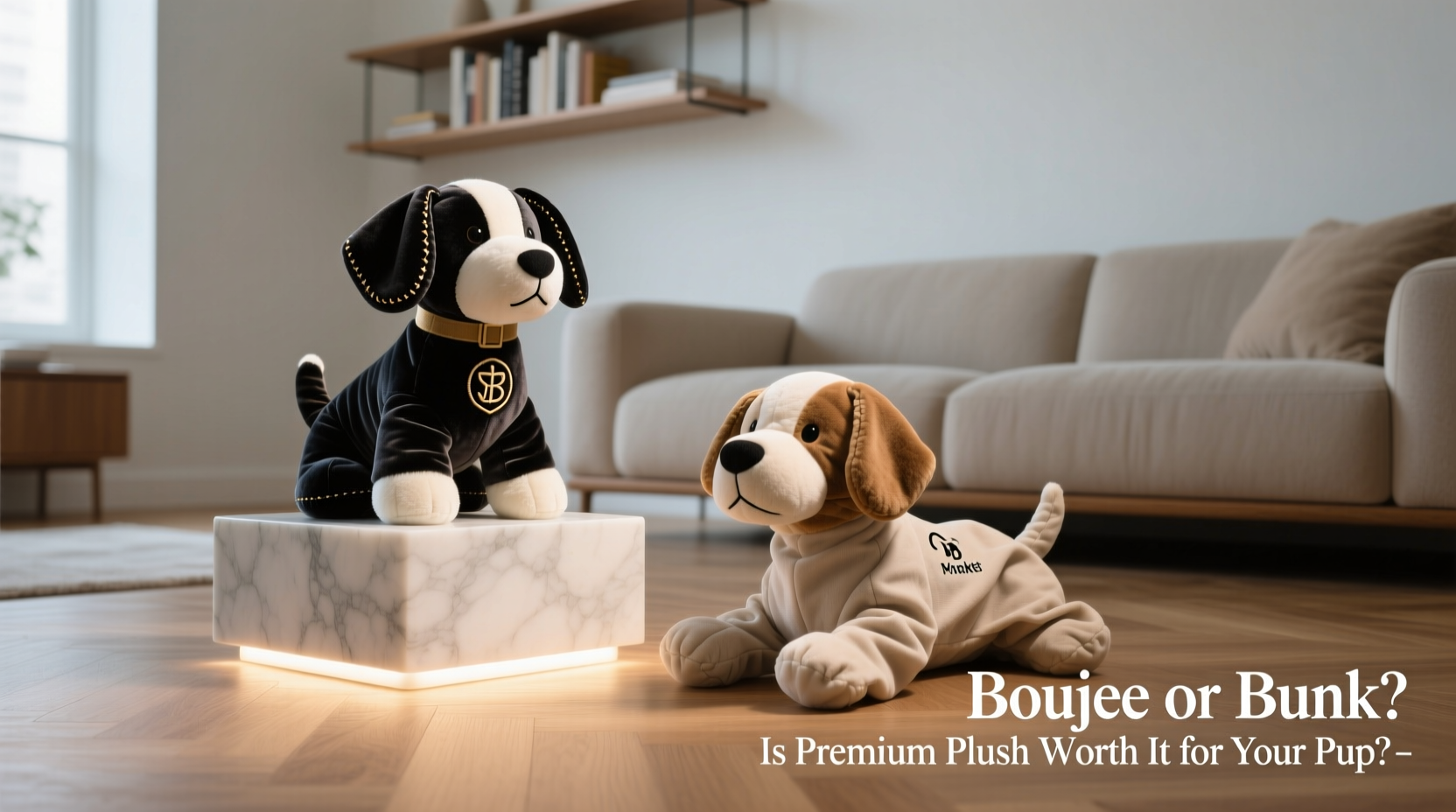
“Designer” dog toys typically come from brands that emphasize craftsmanship, materials, and aesthetic appeal. They often feature:
- Premium fabrics like organic cotton, recycled polyester, or reinforced fleece
- Meticulous stitching and double-layered seams
- Eco-friendly or non-toxic dyes and fillers
- Unique, stylish designs created by pet lifestyle influencers or fashion-forward brands
- Smaller batch production and ethical manufacturing practices
Brands like West Paw, Harry Barker, and BarkShop’s curated lines position themselves as upscale alternatives to mass-market options from Walmart or Amazon Basics. Their marketing leans into sustainability, pet wellness, and lifestyle alignment—appealing to owners who treat their pets like family members (and fashion accessories).
Tip: Just because a toy looks luxurious doesn’t mean it’s durable. Always check material specs and stitching quality, regardless of brand.Durability: Do Premium Toys Last Longer?
Durability is where the rubber meets the road—especially for power chewers. A toy that disintegrates in one afternoon isn’t worth $5, let alone $50.
Many designer toys use reinforced stitching, puncture-resistant fabrics, and internal lining layers that genuinely extend lifespan. For example, West Paw’s Zogoflex line is made from recyclable, dishwasher-safe material engineered to withstand aggressive chewing. In contrast, generic plush toys often rely on thin polyester shells and single-stitch seams that tear easily.
However, not all high-priced toys are built tough. Some luxury plush brands prioritize softness and appearance over resilience, making them ideal for gentle pups but disastrous for dogs who attack toys with full-body enthusiasm.
“Durability isn’t about price—it’s about purpose. Match the toy to the dog’s behavior, not your budget.” — Dr. Lena Torres, Veterinary Behaviorist
Material Safety: Hidden Risks in Generic Toys
Safety is another area where designer toys often outshine generics. Independent testing shows that some low-cost imported plush toys contain:
- Phthalates or formaldehyde in dyes
- Fiberglass-like fibers in stuffing
- Loose plastic eyes or noses that pose choking hazards
- Non-biodegradable, microplastic-shedding fabrics
Reputable designer brands typically disclose material sourcing and undergo third-party safety testing. Many use hypoallergenic, non-toxic fillers and avoid small detachable parts. This transparency gives peace of mind—especially for puppies or dogs who tend to ingest pieces.
That said, not all generic toys are unsafe. Established retailers like Petco or Chewy vet their house brands for compliance with U.S. safety standards. The risk is higher with unbranded or overseas-sourced products sold on open marketplace platforms.
Price vs. Value: Is the Premium Worth It?
Let’s compare two plush squirrel toys���one from a boutique brand, one from a discount chain.
| Feature | Designer Toy ($38) | Generic Toy ($12) |
|---|---|---|
| Materials | Organic cotton shell, recycled PET filling | Polyester shell, unknown synthetic filling |
| Stitching | Double-stitched, reinforced seams | Singled-stitched, visible thread gaps |
| Safety Certification | OEKO-TEX® certified, BPA-free | No listed certifications |
| Lifespan (estimated) | 3–6 months (moderate chewer) | 2–4 weeks (moderate chewer) |
| Eco Impact | Recyclable, biodegradable dyes | Plastic-heavy, non-recyclable |
On paper, the designer toy costs more upfront but may offer better long-term value if it lasts four times longer and reduces health risks. However, for a dog that destroys everything in minutes, even the toughest plush toy becomes a short-term expense—making the generic version a more rational choice.
Mini Case Study: Bella the Border Collie
Bella, a 3-year-old Border Collie in Portland, Oregon, goes through plush toys like tissues. Her owner, Maya, initially bought premium toys from a sustainable brand, hoping they’d last. Bella dismantled each one in under 20 minutes. After spending over $200 in three months, Maya switched to a strategy of buying affordable, machine-washable plush toys in bulk. She rotates them weekly to keep Bella engaged, extending perceived novelty without financial strain. “I realized I wasn’t buying toys for longevity,” Maya says. “I was buying mental stimulation. Now I spend less and stress less.”
When Designer Toys Make Sense (And When They Don’t)
The decision shouldn’t be based on status or trends—but on your dog’s needs and your priorities. Here’s a checklist to help decide:
Checklist: Should You Buy a Designer Toy?- ✅ Does your dog destroy cheap toys within hours?
- ✅ Are you concerned about chemical exposure or environmental impact?
- ✅ Do you value ethical manufacturing and transparency?
- ✅ Is your dog a moderate chewer or primarily a cuddler?
- ✅ Can you justify the cost as part of a balanced pet budget?
If most answers are yes, designer toys may be worth the investment. If not, generics can serve just as well.
Step-by-Step Guide to Choosing the Right Toy
- Assess your dog’s play style: Chaser, cuddler, destroyer, or digger?
- Determine your priority: Durability, safety, eco-friendliness, or fun variety?
- Set a per-toy budget: Decide how much you’re willing to lose if the toy is destroyed quickly.
- Research materials: Look for non-toxic, durable fabrics and secure attachments.
- Start with one: Test a single premium toy before committing to a full lineup.
- Monitor and adjust: Track how long it lasts and whether your dog shows preference.
FAQ: Your Top Questions Answered
Are expensive dog toys safer than cheap ones?
Not automatically. However, reputable designer brands are more likely to disclose material sources, use non-toxic dyes, and comply with rigorous safety standards. Always check for certifications like OEKO-TEX® or ASTM F963 (U.S. toy safety standard) to verify safety claims.
Can I rotate generic toys to save money?
Absolutely. Toy rotation—introducing a few toys at a time and storing the rest—is an effective way to maintain novelty and mental stimulation without buying new items constantly. This strategy works especially well with affordable plush toys.
Do dogs care if their toys are designer?
No—dogs don’t recognize brands. They respond to texture, sound, scent, and how a toy fits their play style. A crumpled paper bag might bring more joy than a $50 hedgehog. The human is usually the target of designer marketing, not the dog.
Final Verdict: Hype or Value?
Boujee plush toys aren’t inherently better—but they aren’t meaningless either. For the right dog and owner, they offer tangible benefits: longer lifespans, safer materials, and alignment with personal values like sustainability and ethical consumption. For others, they’re an unjustifiable splurge on items destined for rapid destruction.
The real win isn’t in choosing designer or generic—it’s in choosing intentionally. Understand your dog’s habits, define what matters to you, and spend accordingly. Whether you’re buying a $10 duck from a local pet shop or a $45 fox from a Brooklyn-based pet designer, the best toy is the one that brings joy, keeps your pup safe, and fits your life—without guilt or pressure to keep up with trends.
💬 Have a favorite dog toy brand—boujee or budget? Share your experience and help fellow pet parents make smarter choices!








