Princess-themed toys have long captured the hearts of children, not just for their glittering crowns and flowing gowns, but for the stories they inspire. Beyond the sparkle, these toys serve as powerful tools for imaginative development, emotional expression, and social learning. When chosen thoughtfully, princess toys can become more than playthings—they evolve into companions in a child’s journey of self-discovery, empathy, and creative storytelling.
The magic lies not in perfection or fantasy alone, but in how these toys invite children to step into roles, solve problems, and explore values like kindness, courage, and resilience. From interactive dolls to castle playsets and dress-up ensembles, the right princess toy nurtures open-ended play—where every day holds a new adventure, a different kingdom, or a unique way to save the realm.
The Power of Imaginative Play in Early Development
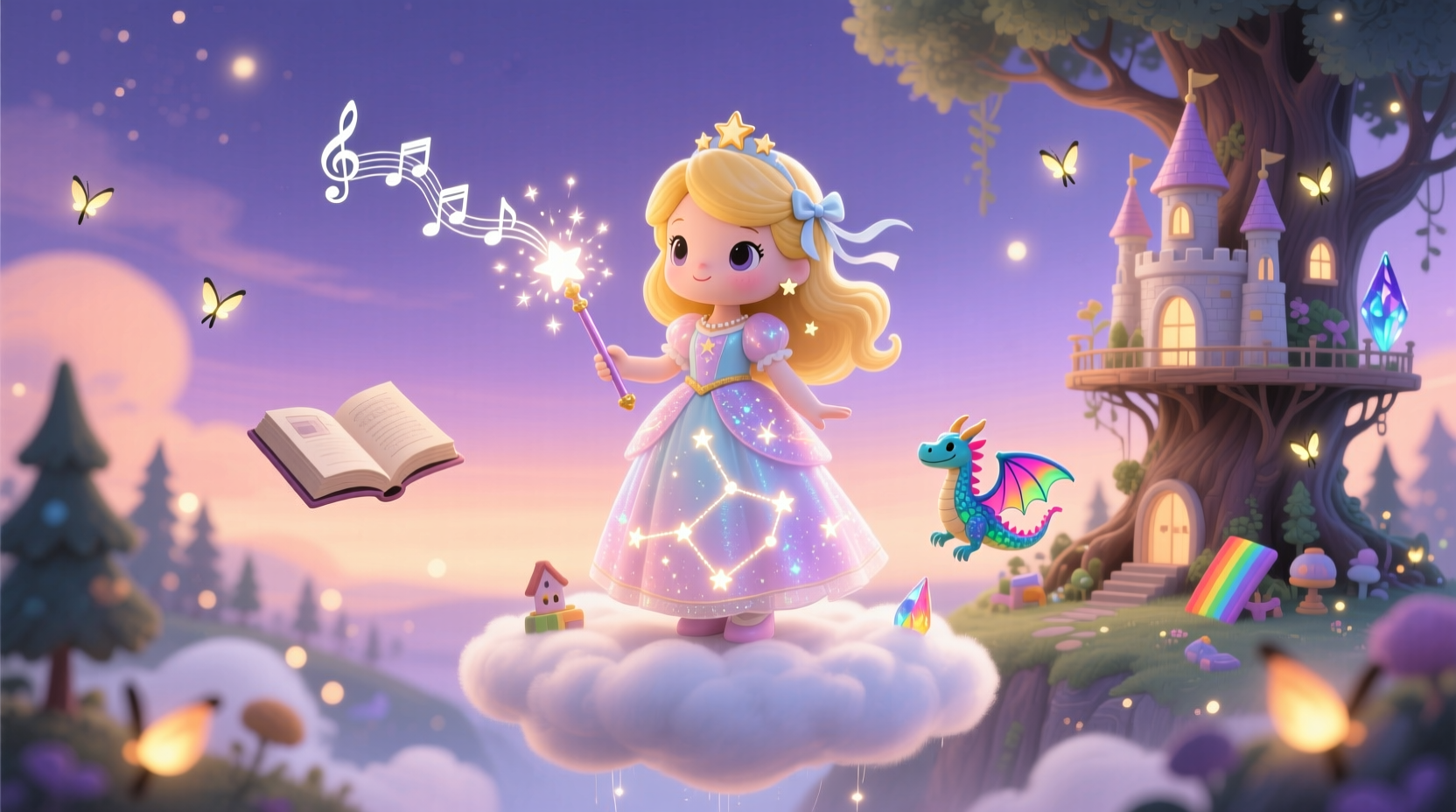
Imaginative play is a cornerstone of cognitive and emotional growth in early childhood. When children engage in role-playing with princess toys, they're not merely copying scenes from movies—they’re constructing narratives, testing boundaries, and practicing real-life skills in a safe, creative environment.
Through pretend scenarios, children learn to:
- Navigate emotions by assigning feelings to characters
- Develop language through dialogue and storytelling
- Practice problem-solving during conflict-driven plots (e.g., rescuing a friend or negotiating peace)
- Strengthen fine motor skills while dressing dolls or assembling accessories
Dr. Laura Benton, child psychologist and author of *The Playful Mind*, emphasizes:
“Children who regularly engage in imaginative play show greater emotional regulation, higher empathy levels, and stronger narrative comprehension. Princess play, when balanced with diverse role models, can be a gateway to complex thinking and moral reasoning.” — Dr. Laura Benton, Child Psychologist
Choosing Princess Toys That Inspire Meaningful Play
Not all princess toys are created equal. The most impactful ones encourage creativity rather than passive imitation. Look for features that support open-ended engagement over scripted entertainment.
Tip: Opt for toys with interchangeable outfits, expressive faces, and minimal electronic gimmicks to maximize creative control.Consider the following when selecting princess-themed items:
| Feature | Supports | Avoid If… |
|---|---|---|
| Dolls with poseable limbs | Movement-based storytelling | Rigid joints limit action scenarios |
| Modular castle sets | Spatial reasoning & construction play | Pieces don’t connect or lack versatility |
| Dress-up costumes with multiple pieces | Identity exploration & fine motor practice | One-size-fits-all designs restrict independence |
| Books featuring diverse princesses | Inclusive values & literacy | Stories focus only on rescue or romance |
Top 5 Princess Toy Categories That Spark Imagination
- Interactive Storytelling Dolls: These dolls respond to touch or voice, prompting questions and encouraging narrative creation. Some include built-in story prompts like “What would you do if the dragon returned?”
- Buildable Castle Kits: Featuring towers, secret doors, and animal companions, these sets allow children to design their own kingdoms and rewrite the rules of royal life.
- Dress-Up Trunks with Mix-and-Match Outfits: Including capes, tiaras, boots, and sashes, these kits promote identity experimentation and costume design.
- Princess-Themed Arts & Crafts Sets: From crown-making kits to royal invitation writing stations, these foster creativity beyond screen time.
- Empowerment-Focused Princess Books: Modern titles feature princesses who code, protect forests, lead scientific expeditions, or negotiate peace treaties—expanding what it means to be royal.
Real-Life Example: How One Family Transformed Playtime
The Chen family noticed their 5-year-old daughter, Mia, was repeating the same storyline with her princess doll: being rescued after falling asleep. Concerned about limited narrative range, they introduced a new castle set with a knight, a dragon, and a map-making station.
Within days, Mia began creating elaborate quests—she was no longer waiting to be saved, but leading expeditions to find lost artifacts. She assigned roles to each family member during play, even giving her younger brother the part of a royal engineer. Her parents observed improved patience, clearer communication, and increased confidence in decision-making.
This shift wasn’t due to replacing old toys, but expanding the possibilities available to her. By adding elements of adventure, collaboration, and problem-solving, the play evolved from passive to proactive.
How to Encourage Balanced, Empowering Princess Play
To ensure princess play remains a force for growth, consider integrating these practices at home:
Tip: Rotate toys weekly to keep interest high and prevent dependency on a single narrative.Step-by-Step Guide to Enriching Princess Play
- Assess Current Toys: Identify which items encourage repetition versus innovation.
- Add Open-Ended Elements: Introduce neutral props like fabric scraps, wooden animals, or blank scrolls for custom storytelling.
- Introduce Diverse Characters: Include figures from various cultures, abilities, and professions—even within a royal theme.
- Ask Open Questions: Instead of “What’s the princess doing?” try “Why did she decide to leave the castle today?”
- Co-Create New Stories: Take turns building a tale, letting the child lead at least half the time.
- Reflect After Play: Discuss lessons learned: “Was it brave to stand up to the troll? What would you do differently?”
Checklist: Building an Imaginative Princess Play Environment
- ☐ Include at least one non-traditional princess figure (e.g., a scientist-princess or explorer)
- ☐ Provide paper and crayons nearby for drawing maps or royal decrees
- ☐ Limit battery-operated toys that dominate play with sound or motion
- ☐ Store toys in accessible bins so children can initiate play independently
- ☐ Schedule regular “story swap” times where kids narrate their adventures aloud
Frequently Asked Questions
Are princess toys bad for girls’ development?
No—when used in balance. Research from the University of California shows that princess play does not inherently reinforce passivity. In fact, children often assign strong traits to princess figures. The key is offering diverse narratives and avoiding exclusive exposure to outdated tropes.
My child only wants to play princess. Should I be concerned?
Not necessarily. Extended focus on one theme is common and healthy in early childhood. It provides comfort and mastery. However, gently introduce complementary themes—like pirates, astronauts, or veterinarians—to broaden imaginative scope without forcing a change.
How can I make princess play more educational?
Incorporate math (“Count how many gems the queen needs”), literacy (“Write an invitation to the ball”), geography (“Where is the ice kingdom located?”), and ethics (“Was it fair to banish the jester?”). Learning thrives within meaningful context.
Conclusion: Reigniting Wonder, One Crown at a Time
Delightful princess toys do more than dazzle with shimmering fabrics and regal titles—they open doors to worlds where children write the rules, define heroism, and explore who they might become. The most enduring magic isn’t in the tiara, but in the mind of the child wearing it.
When we choose toys that prioritize imagination over imitation, diversity over stereotype, and agency over passivity, we give children the tools to build richer inner lives. Whether ruling a castle, negotiating peace, or inventing a flying carriage, every act of play is a rehearsal for real-world courage and creativity.
💬 What’s your child’s favorite royal adventure? Share a story of how princess play sparked imagination in your home—we’d love to hear how playtime unfolds in your kingdom!








