Cinnamon cream pastries occupy a cherished place in global bakeries, blending the warmth of spice with the richness of dairy in delicate, flaky layers. These treats are more than indulgent morning snacks—they represent a mastery of balance between sweetness, texture, and aromatic depth. Whether found in a Parisian café, a New York boulangerie, or a home oven, cinnamon cream pastries showcase how simple ingredients can achieve extraordinary results when technique and timing align. For home bakers and culinary professionals alike, understanding their construction, variations, and flavor dynamics is essential for replicating authentic textures and tastes.
Definition & Overview
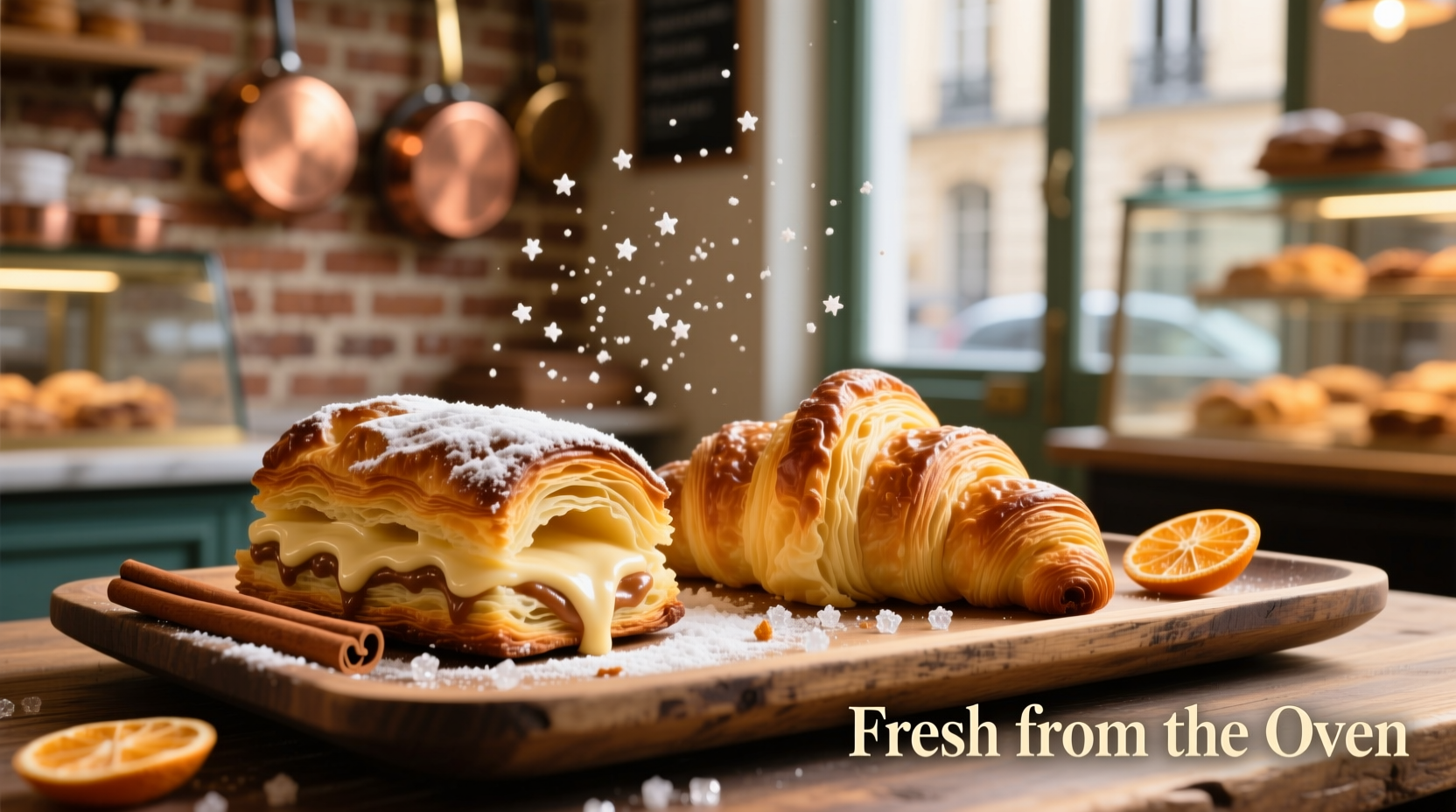
Cinnamon cream pastries refer to a broad category of baked goods that incorporate both cinnamon—a fragrant bark-derived spice—and cream-based fillings, such as pastry cream, whipped cream, mascarpone mixtures, or spiced buttercreams. These elements are typically enclosed within laminated doughs like puff pastry or brioche, or integrated into enriched breads and tarts. The result is a harmonious contrast: crisp or tender crusts giving way to soft, spiced interiors that highlight cinnamon’s sweet heat and creamy mouthfeel.
The roots of these pastries trace back to European traditions, particularly Austrian, French, and Scandinavian baking. The Swedish kanelbulle (cinnamon bun), the Italian cornetto alla cannella, and the German Zimtschnecke all exemplify early iterations where yeast-raised dough met butter, sugar, and ground cinnamon. Over time, chefs began enriching the filling with custards, ricotta, or crème fraîche, elevating the profile from rustic roll to refined patisserie item. Today, modern interpretations include croissant-dough spirals with vanilla-cinnamon diplomat cream, laminated danishes with brown sugar-cinnamon frangipane, and even savory-sweet tartlets featuring goat cheese and toasted cinnamon cream.
Key Characteristics
| Characteristic | Description |
|---|---|
| Flavor Profile | Warm, sweetly spiced with notes of clove and citrus; balanced by creamy, often vanilla-infused fillings. |
| Aroma | Pronounced cinnamon scent enhanced by baking—earthy, slightly woody, with milky undertones from cream components. |
| Texture | Layered exterior (flaky, chewy, or tender); interior ranges from smooth custard to airy whipped cream. |
| Color | Golden-brown crust; creamy beige to light tan filling, sometimes streaked with cinnamon swirls. |
| Sweetness Level | Moderate to high; counterbalanced by acidity in fruit variants or salt in dough/cream. |
| Culinary Function | Dessert, breakfast item, or afternoon tea accompaniment; used in seasonal menus (e.g., autumn/winter). |
| Shelf Life | Fresh consumption ideal within 24–48 hours; cream-filled versions best served same day. |
Practical Usage: How to Make and Use Cinnamon Cream Pastries
Creating exceptional cinnamon cream pastries requires attention to three core components: the dough, the filling, and the bake. Each stage influences the final texture and flavor integration.
Dough Selection and Preparation
The foundation determines structure and mouthfeel. Laminated doughs offer maximum flakiness:
- Puff pastry: Store-bought or homemade, ideal for danishes and pinwheels. Thaw properly and handle cold to preserve layering.
- Croissant or brioche dough: Enriched with eggs and butter, these yield tender, pull-apart rolls. Allow proper proofing (75–80°F, 45–60 minutes) before baking.
- Yeast-raised dough: A classic base for cinnamon rolls. Use bread flour for elasticity and milk for tenderness.
Roll dough evenly—about ¼ inch thick—to ensure consistent cooking. Dock edges if pre-baking shells to prevent puffing.
Cream Filling Formulation
The filling must be stable enough to hold shape during baking but soft enough to deliver a luxurious bite. Common bases include:
- Pastry cream (crème pâtissière): Combine milk, egg yolks, sugar, cornstarch, and vanilla. Cook to 170°F (77°C), then fold in softened butter for silkiness. Add ½ to 1 tsp cinnamon per cup of cream.
- Diplomat cream: Blend equal parts pastry cream and whipped cream. Lightens texture while maintaining stability.
- Ricotta or mascarpone mixture: Ideal for Italian-inspired pastries. Mix with powdered sugar, lemon zest, and cinnamon. Strain ricotta first to avoid moisture issues.
- Spiced buttercream: American-style, suitable for filled twists or sandwiched pastries. Beat butter with confectioners’ sugar, milk, vanilla, and cinnamon.
TIP: Always cool fillings completely before piping. Warm cream melts dough and causes leakage. For extra stability, add ½ tsp gelatin (bloomed in water) to warm pastry cream before chilling.
Assembly Techniques
Proper assembly prevents sogginess and ensures even distribution:
- Spirals and rolls: Spread filling over rolled dough, leaving a ½-inch border. Roll tightly from the long edge, slice into 1.5-inch pieces, and place cut-side up in a buttered pan.
- Danishes: Cut puff pastry into squares. Fold corners toward center or cut slits for open-top designs. Pipe cream into center after partial bake (blind bake for 10 minutes at 375°F).
- Tarts: Press dough into molds, blind bake, then fill with set cream. Top with glazed apples or poached pears for contrast.
For visual appeal, brush dough with egg wash and sprinkle with turbinado sugar before baking. This enhances browning and adds crunch.
Baking Guidelines
Oven temperature and timing are critical:
- Laminated doughs: Bake at 375–400°F (190–205°C) for 18–22 minutes until golden.
- Yeast-based rolls: 350°F (175°C) for 20–25 minutes; internal temperature should reach 190°F (88°C).
- Cool on wire racks for 10 minutes before glazing or filling (if cream is added post-bake).
Variants & Types
Cinnamon cream pastries vary widely by region, technique, and ingredient innovation. Understanding the types helps match the right style to occasion and skill level.
| Type | Dough | Filling | Best Use Case |
|---|---|---|---|
| Cinnamon Rolls with Cream Cheese Filling | Enriched yeast dough | Cream cheese, butter, powdered sugar, cinnamon | Breakfast, brunch, holiday baking |
| Cinnamon Danishes | Puff pastry or croissant dough | Frangipane + cinnamon, pastry cream, or almond paste blend | Café service, weekend baking |
| Swedish Kanelbullar (with Whipped Cream Center) | Cardamom-enriched brioche | Lightly sweetened whipped cream infused with cinnamon | Afternoon fika, cultural events |
| Cinnamon Cream Tarts | Shortcrust or pâte sucrée | Vanilla-cinnamon pastry cream, topped with cinnamon-dusted fruit | Dessert courses, dinner parties |
| Croissant Cinnamon Pockets | Laminated croissant dough | Diplomat cream with cinnamon and raisins | Gourmet breakfasts, grab-and-go |
| Braided Cinnamon Cream Breads | Enriched challah-style dough | Streusel-cinnamon swirl with ricotta ribbon | Special occasions, gift baking |
Modern innovations include vegan versions using coconut cream and oat-based butter, or gluten-free renditions with almond flour blends. These maintain structural integrity when paired with xanthan gum and careful hydration control.
Comparison with Similar Ingredients
Cinnamon cream pastries are often confused with simpler cinnamon-only items. Clarifying distinctions improves recipe accuracy and expectations.
| Item | Cream Component? | Dough Type | Key Difference |
|---|---|---|---|
| Plain Cinnamon Rolls | No (only cinnamon-sugar-butter swirl) | Yeast dough | Lacks custard or cream element; drier texture |
| Cinnamon Toast | No | Bread slices | Surface-level application; no filling |
| Cinnamon Sugar Donuts | No | Fried yeast dough | Coated, not filled; oil-based rather than cream-based |
| Cinnamon Scones | Optional (sometimes with cream cheese glaze) | Drop biscuit | Not layered; cream is topping, not filling |
| Cinnamon Cream Pastries | Yes (integral filling) | Laminated or enriched | Defined by internal cream layer combined with spice |
This distinction matters: true cinnamon cream pastries rely on the interplay between dough and internal cream matrix. Substituting a glaze for a filling alters the eating experience fundamentally.
Practical Tips & FAQs
What kind of cinnamon should I use?
Ceylon cinnamon (\"true cinnamon\") offers a delicate, citrusy note ideal for refined pastries. Cassia cinnamon is stronger, sweeter, and more common—better for bold flavors like rolls or danishes. Avoid excessive amounts of cassia due to coumarin content; limit to 1 tsp per recipe unless diluted.
How do I prevent soggy bottoms?
Ensure fillings are chilled and thick. Pre-bake (blind bake) crusts when possible. Use a baking stone or preheated tray to boost bottom heat. Avoid overfilling—pipe only 1–2 tbsp per pastry.
Can I freeze cinnamon cream pastries?
Unfilled dough freezes well for up to 3 months. Fully assembled cream-filled pastries are best fresh. If freezing, omit cream filling; bake plain, freeze, then thaw and fill later. Alternatively, freeze unfilled pastries, reheat at 325°F for 10 minutes, then fill.
Are there low-sugar alternatives?
Yes. Replace granulated sugar with monk fruit or erythritol blends in dough and filling. Reduce sugar in cream by 25% and compensate with vanilla or nutmeg. Note: sugar contributes to browning and texture, so adjustments may affect crust development.
How much cinnamon cream should I use per pastry?
For individual servings (3–4 inch diameter):
- Danishes: 1–2 tbsp
- Rolls: ½ cup total filling spread over 9x13-inch dough
- Tarts: Fill to ½ inch below rim to allow for expansion
What pans work best?
Use light-colored aluminum or anodized metal for even browning. Dark nonstick pans may over-brown edges. Silicone molds release easily but lack conductive heat—place on a baking sheet. For rolls, a round cake pan allows close contact and soft sides.
\"The hallmark of a great cinnamon cream pastry isn't just flavor—it's the balance of resistance and give. You want the first crack of the crust, then the slow yielding of the cream. That moment defines quality.\" — Claire Dupont, Executive Pastry Chef, Le Jardin Pâtisserie
Summary & Key Takeaways
Cinnamon cream pastries are a testament to the elegance of layered baking. Their appeal lies not just in sweetness, but in the sophisticated interaction of texture, temperature, and aroma. Mastery begins with selecting the right dough—laminated for flakiness, enriched for tenderness—and extends to formulating stable, flavorful cream fillings that complement without overwhelming.
Key points to remember:
- Always chill cream fillings before use to prevent leakage.
- Balance cassia’s intensity with dairy richness; opt for Ceylon in subtle applications.
- Pre-bake crusts when possible to avoid sogginess.
- Freeze dough, not filled pastries, for best quality retention.
- Pair with coffee, chai, or dessert wines like Sauternes to enhance complexity.
Try making a batch of cinnamon cream danishes this weekend: use store-bought puff pastry for ease, fill with homemade diplomat cream, and finish with a dusting of cinnamon-sugar. Observe how the layers separate and the cream blooms upon the first bite—you’re not just baking, you’re engineering delight.









