
A dark toenail can be alarming at first glance. Whether it's a faint bruise-like spot or a completely blackened nail, discoloration often signals an underlying issue. While some cases resolve on their own, others may require medical attention. Understanding the root causes, knowing when to seek help, and adopting preventive habits are essential for maintaining foot health. This guide explores the most common reasons behind dark toenails, outlines evidence-based treatments, and provides actionable strategies to avoid recurrence.
Common Causes of Dark Toenails
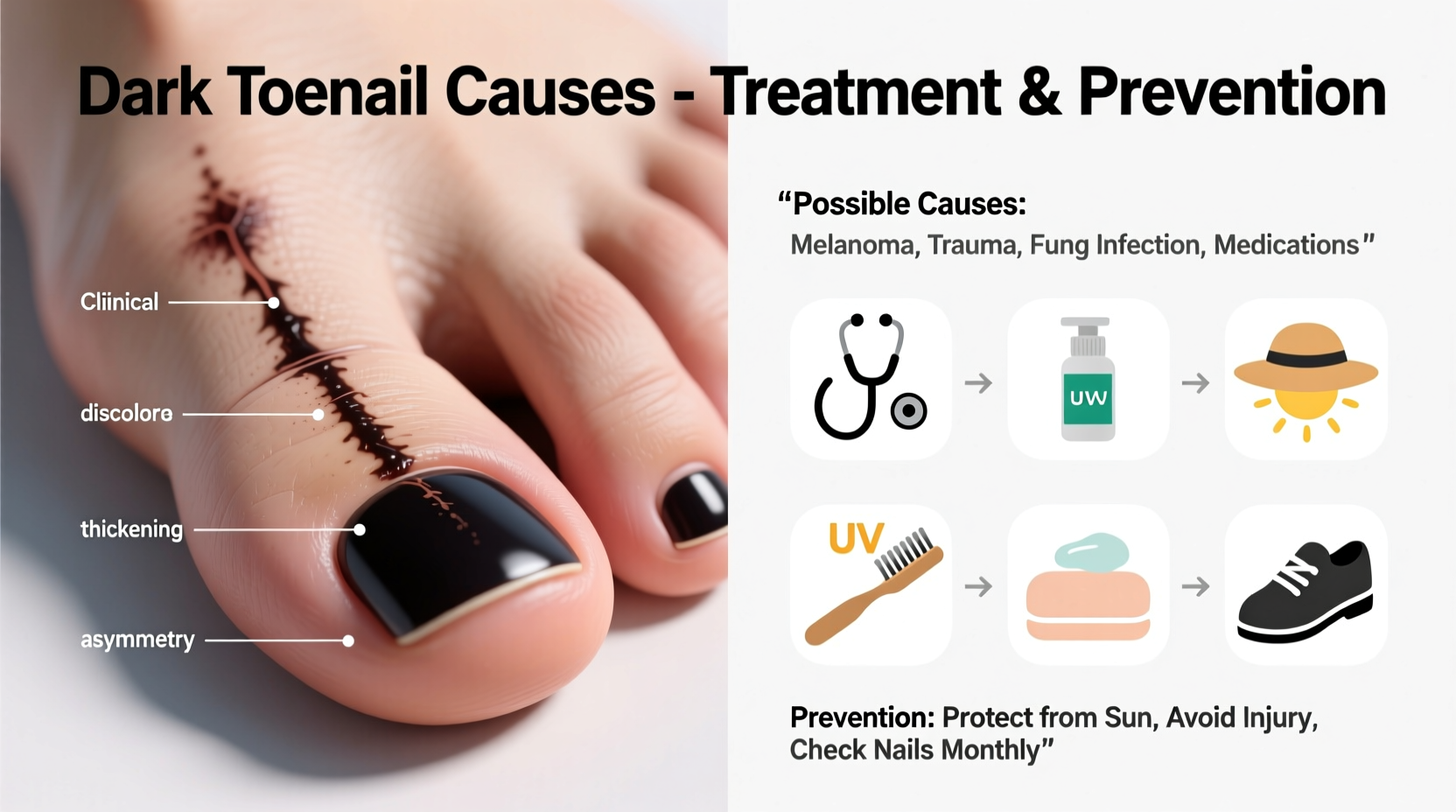
Dark toenails typically result from trauma, fungal infections, or systemic conditions. Identifying the cause is crucial to determining the appropriate response.
- Trauma or Injury: Repetitive pressure from tight shoes or a single impact (like dropping something on your toe) can cause blood to pool under the nail, leading to a subungual hematoma. Runners and athletes are especially prone to this condition.
- Fungal Infections (Onychomycosis): Fungi thrive in warm, moist environments. A fungal infection can cause thickening, brittleness, and yellow, brown, or black discoloration of the toenail.
- Melanonychia: This refers to pigmentation in the nail bed. It can be benign (such as in people with darker skin tones) or a sign of subungual melanoma—a rare but serious form of skin cancer.
- Medications and Systemic Illness: Certain drugs (like chemotherapy agents) or conditions such as psoriasis, diabetes, or kidney disease may alter nail appearance.
- Ill-Fitting Footwear: Shoes that are too tight compress the toes, increasing friction and pressure, which over time can lead to micro-injuries and nail discoloration.
When to Seek Medical Attention
Not every dark toenail requires a doctor’s visit, but certain signs should prompt immediate evaluation. Ignoring these red flags could delay diagnosis of serious conditions.
“Any new, isolated dark streak in a toenail—especially without a history of trauma—should be evaluated by a dermatologist to rule out melanoma.” — Dr. Lena Torres, Board-Certified Dermatologist
Symptoms warranting professional assessment include:
- A vertical black or brown stripe that widens over time
- Pain not associated with recent injury
- Spreading discoloration beyond the nail into the surrounding skin
- Nail deformity, foul odor, or discharge (indicative of infection)
- History of diabetes or poor circulation
Effective Treatment Options
Treatment depends entirely on the underlying cause. Self-diagnosis can be risky, so consult a healthcare provider for accurate identification.
Trauma-Induced Discoloration
In mild cases, no intervention is needed. The body gradually reabsorbs the blood, and the nail grows out normally over several months. For severe pain or large hematomas, a doctor may perform trephination—drilling a small hole to release trapped blood and relieve pressure.
Fungal Infections
Topical antifungals may work for superficial infections, but oral medications like terbinafine or itraconazole are often required for deeper cases. Treatment duration ranges from 6 to 12 weeks, though full nail regrowth takes up to a year.
Melanonychia and Suspicious Lesions
If melanoma is suspected, a biopsy is necessary. Early detection significantly improves outcomes. Surgical removal of the affected tissue may be required.
| Condition | Typical Treatment | Recovery Time |
|---|---|---|
| Subungual Hematoma | Observation or drainage | 4–6 months |
| Fungal Infection | Oral antifungals ± topical | 6–12 months |
| Subungual Melanoma | Surgical excision | Varies; follow-up critical |
| Medication Side Effect | Review with prescribing physician | Resolves after medication change |
Prevention Tips for Healthy Toenails
Many causes of dark toenails are preventable with consistent foot care and smart lifestyle choices. Incorporating the following practices reduces risk significantly.
- Wear Properly Fitted Shoes: Ensure there’s about a thumb’s width between your longest toe and the shoe tip. Avoid narrow toe boxes, especially during high-impact activities.
- Trim Nails Straight Across: Cutting nails too short or rounding the edges increases the risk of ingrown nails and microtrauma.
- Maintain Dry Feet: Change socks daily and use moisture-wicking materials. Fungi flourish in damp environments.
- Use Antifungal Powder: Especially if you frequent gyms, pools, or communal showers, apply antifungal powder to feet and inside shoes weekly.
- Inspect Feet Regularly: Check toenails monthly for changes in color, texture, or shape. Early detection leads to better outcomes.
Mini Case Study: Marathon Runner with Recurring Black Toenails
James, a 34-year-old marathon runner, noticed recurring black spots under his right big toenail after long-distance races. Initially dismissing them as minor bruises, he continued training. After two years, the nail became thick and started lifting. He consulted a podiatrist, who diagnosed chronic subungual hematoma compounded by early-stage fungal infection.
The doctor recommended switching to running shoes with a wider toe box, using moisture-wicking socks, and applying antifungal cream. James also began trimming his nails more carefully before long runs. Within six months, new nail growth appeared healthy, and no further discoloration occurred.
This case illustrates how repetitive microtrauma, combined with poor hygiene, can escalate into persistent issues—even in otherwise healthy individuals.
Do’s and Don’ts: Nail Health Quick Reference
| Do | Don't |
|---|---|
| Keep toenails clean and trimmed | Ignore persistent discoloration |
| Choose breathable socks and shoes | Share nail clippers or footwear |
| Seek evaluation for new dark streaks | Use sharp objects to clean under nails |
| Treat athlete’s foot promptly | Go barefoot in public showers |
Frequently Asked Questions
Can a dark toenail go away on its own?
Yes, if caused by minor trauma, the discoloration will fade as the nail grows out—typically within 6 to 9 months. However, if the cause is fungal or melanocytic, professional treatment is necessary.
Is a black toenail always a sign of fungus?
No. While fungus can cause darkening, trauma is a far more common cause. Fungal infections usually present with additional symptoms like thickening, crumbling, or separation from the nail bed.
How can I tell if my dark toenail is melanoma?
Warning signs include a single dark streak that widens over time, pigment spreading to the skin around the nail (Hutchinson’s sign), or a family history of melanoma. Only a dermatologist can confirm through biopsy.
Final Steps Toward Healthier Toenails
Dark toenails are more than a cosmetic concern—they’re a potential signal from your body. Whether stemming from ill-fitting shoes or a deeper medical issue, addressing the root cause early prevents complications. Simple habits like proper nail trimming, wearing supportive footwear, and regular foot inspections go a long way. When in doubt, err on the side of caution and consult a healthcare provider.
💬 Have you experienced a dark toenail? What steps did you take? Share your story in the comments to help others recognize symptoms and find solutions.








