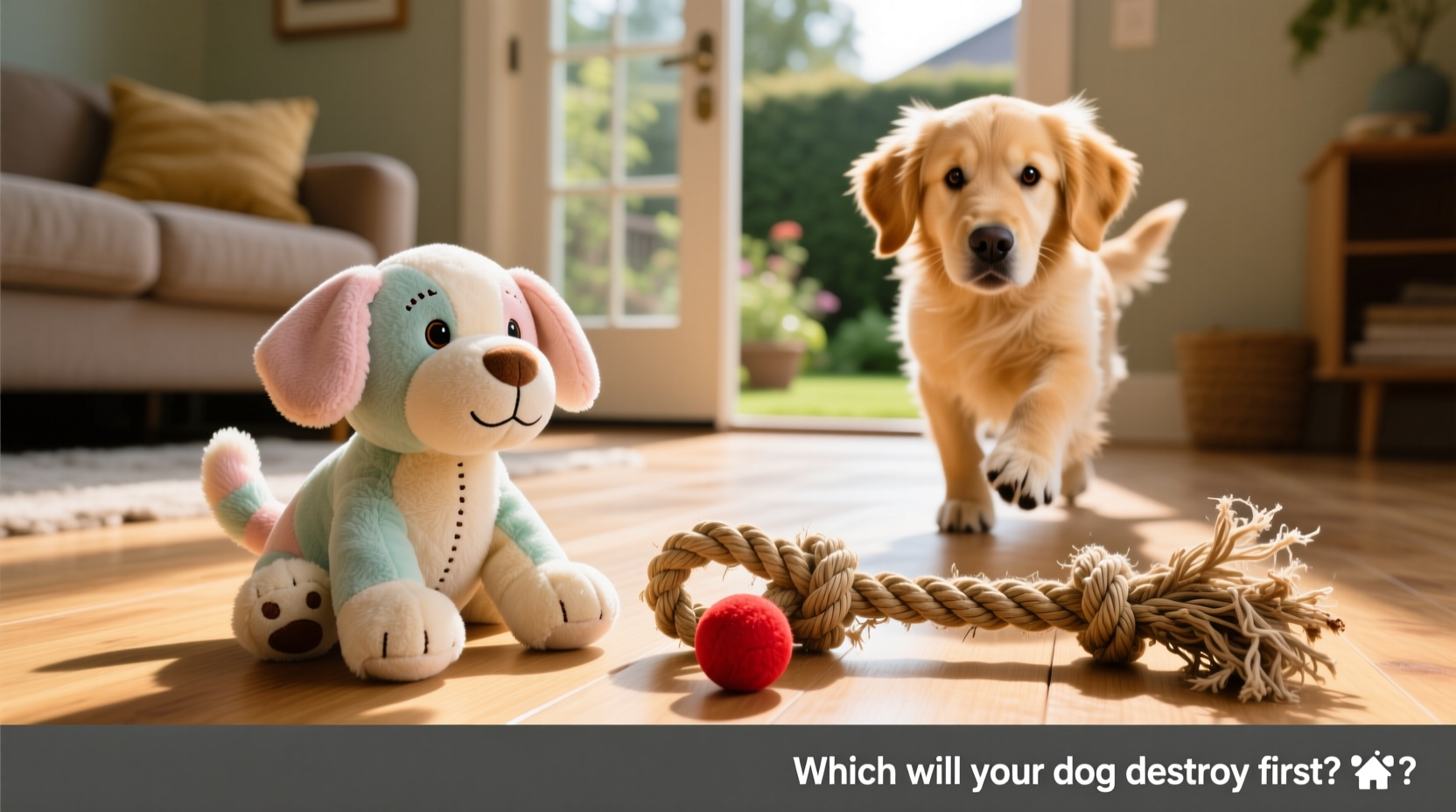
Every dog owner knows the ritual: you bring home a new toy, full of hope and excitement, only to find it in shreds by morning. Whether it's a soft, huggable plush dog with floppy ears or a rugged rope toy built for tugging, destruction is often inevitable. But which type tends to go first? The answer isn’t just about material—it’s about your dog’s personality, chewing habits, and how each toy is designed to withstand real-world canine force.
This article dives deep into the battle between plush and rope toys, not just to crown a \"winner\" in durability, but to help you make smarter choices based on your dog’s behavior, size, and play style. Spoiler: sometimes the weaker toy is actually the better choice.
The Anatomy of Destruction: Why Dogs Destroy Toys
Dogs don’t destroy toys out of malice—they chew for instinct, exercise, mental stimulation, and teething relief. Puppies explore the world with their mouths, while adult dogs use chewing to relieve stress or boredom. Some breeds, like Border Collies or Jack Russells, have high energy and need constant engagement. Others, like Bulldogs or Labradors, simply love the sensation of tearing things apart.
Understanding why your dog destroys toys helps predict which materials won’t stand a chance. Plush toys appeal to prey drive—the squeaker inside mimics the sound of small animals. Rope toys satisfy the urge to tug and shred fibers. Both are fun, but both come with expiration dates written in tooth marks.
Tip: Rotate toys weekly to maintain novelty and reduce obsessive chewing on a single item.Plush Toys: Cute, But Fragile?
Plush dog toys are beloved for their cuddly appearance and interactive features—squeakers, crinkle paper, and embroidered details. They’re ideal for dogs who enjoy “killing” their prey through vigorous shaking. However, most plush toys are made from polyester or fleece, fabrics that tear easily under determined jaws.
The real danger isn’t just destruction—it’s ingestion. Once a plush toy splits open, stuffing and plastic squeakers become choking hazards. Even non-toxic fillers can cause intestinal blockages if swallowed in large amounts.
That said, not all plush toys are created equal. High-end “tough” plush versions use reinforced stitching, mesh lining, and puncture-resistant squeakers. These last significantly longer than bargain-bin alternatives. Still, for aggressive chewers, even reinforced plush toys rarely survive more than a few days.
“Plush toys tap into a dog’s natural hunting instincts, but they should be used under supervision—especially with strong-jawed breeds.” — Dr. Lena Torres, Veterinary Behaviorist
Rope Toys: Built to Last (or Unravel Gracefully)?
Rope toys are typically made from cotton or poly-cotton blends, tightly braided for durability. Their design encourages pulling, gnawing, and flossing action that can benefit dental health. Unlike plush toys, they don’t contain stuffing or small internal parts, reducing the risk of dangerous ingestion—though frayed ends can still pose a risk if large pieces are swallowed.
Rope toys excel in interactive play. Tug-of-war strengthens the bond between dog and owner and provides physical exercise. They also wear down gradually rather than failing catastrophically. You’ll notice fraying before total disintegration, giving you time to retire the toy safely.
However, rope toys aren’t indestructible. Dogs with powerful bites—think Pit Bulls, German Shepherds, or Rottweilers—can unravel thick ropes in under an hour. And once the fibers loosen, they can trap teeth or get lodged in gums, causing discomfort or infection.
When Rope Toys Fail: The Hidden Risk
A common misconception is that rope toys are always safer because they lack stuffing. But ingesting long strands of fiber can lead to linear foreign body obstructions—a serious condition requiring surgery. Always inspect rope toys regularly and discard them when significant fraying occurs.
Tip: Choose rope toys without loose threads or knots that could snag in your dog’s mouth.Head-to-Head Comparison: Plush vs Rope Toy Durability
| Feature | Plush Toy | Rope Toy |
|---|---|---|
| Initial Appeal | High (cute design, squeaker) | Moderate (textured, good for tugging) |
| Typical Lifespan (Aggressive Chewer) | Hours to 2 days | 1–7 days |
| Safety Risks | Stuffing/squeaker ingestion | Fiber ingestion, gum irritation |
| Best For | Puppies, gentle chewers, fetch games | Interactive play, dental flossing, moderate chewers |
| Supervision Required? | Yes, especially after first signs of damage | Yes, until fraying begins |
Real-World Example: Max the Labrador vs. the Plush Squirrel
Max, a three-year-old Labrador Retriever, received a plush squirrel toy with a loud squeaker. His owner, Sarah, watched as Max carried it proudly around the yard, then began shaking it violently. Within 12 minutes, the seam split. Five minutes later, the squeaker was exposed. By day two, the stuffing littered the living room floor.
She replaced it with a heavy-duty cotton rope toy. Max loved tugging it during walks and seemed less obsessed with destroying it. After ten days, the ends began to fray, but the core remained intact. Sarah retired it before any strands came loose.
Verdict: The plush toy lasted less than 48 hours. The rope toy survived over a week—nearly ten times longer in this case.
How to Extend Any Toy’s Lifespan: A Practical Checklist
- Choose toys labeled “tough” or “heavy-duty” for strong chewers.
- Inspect toys daily for damage—discard at first sign of compromise.
- Avoid leaving toys unattended when you’re not home.
- Rotate 3–5 toys weekly to prevent obsession with one.
- Select appropriate size—too small increases choking risk; too large reduces engagement.
- Clean rope toys monthly with mild soap and water to prevent bacterial buildup.
- Store toys in a designated bin to keep them organized and dust-free.
Expert Insight: Matching Toy Type to Dog Personality
Not every dog should have the same toy. A Chihuahua’s plush companion may last months, while a Husky might dismantle it in minutes. The key is alignment between toy design and dog behavior.
“The best toy isn’t the toughest—it’s the one that meets your dog’s needs without creating safety risks. A plush toy can be perfect for a gentle senior dog, just as a thick rope suits an active terrier.” — Dr. Alan Prescott, Canine Enrichment Specialist
Frequently Asked Questions
Can I leave my dog alone with a rope toy?
It’s not recommended. While rope toys are generally safer than plush ones, dogs can still ingest fibers if the toy unravels. Supervision ensures timely removal before hazards arise.
Are there truly indestructible dog toys?
No toy is completely indestructible. Even rubber toys marketed as “indestructible” have been compromised by extreme chewers. The term usually means “resistant to moderate chewing.” Always match the toy to your dog’s strength and habits.
My dog destroys everything—what should I do?
Consider puzzle toys made from durable rubber, such as those from Kong or West Paw. Pair destructive tendencies with mental challenges: frozen stuffed Kongs can last hours and reduce compulsive chewing.
Final Verdict: Which One Will Your Dog Destroy First?
In most cases, the cute plush dog toy will meet its end before the rope toy—often dramatically faster. Plush toys fail quickly due to weak seams, appealing stuffing, and built-in destructibility (that squeaker is basically a target). Rope toys, while not immune, tend to degrade slowly and predictably, giving owners more control over safety.
But speed of destruction shouldn’t be the only factor. A plush toy might provide unmatched joy for a timid dog, while a rope toy could encourage aggression in a possessive pup. The goal isn’t longevity at all costs—it’s safe, enriching play that matches your dog’s nature.
So, will your dog destroy the plush toy first? Statistically, yes. But the smarter question is: which toy serves your dog best—even if it doesn’t last?
💬 Have a toy demolition story to share? Tell us how long your dog’s favorite plush or rope toy lasted—and what you learned from the wreckage. Your experience could help another pet owner choose wisely.








