For fans of anime, collecting plushies is more than a hobby—it’s a way to express affection for beloved characters and stories. From the wide-eyed charm of Studio Ghibli’s Totoro to the energetic appeal of My Hero Academia’s Deku, these plush toys bring joy and nostalgia into homes around the world. But as demand rises, so does the market for counterfeit products. Fake plushies often use inferior materials, inaccurate designs, and lack official licensing, leaving buyers disappointed and out of pocket. Knowing how to distinguish authentic from imitation is essential for any serious collector or gift-giver.
Choosing genuine anime plushies online requires attention to detail, knowledge of trusted sources, and awareness of red flags. With countless e-commerce platforms and third-party sellers offering similar-looking items at varying price points, it's easy to fall victim to deceptive listings. This guide walks through practical strategies to help you confidently identify and purchase authentic cute anime character plushies—without compromise.
Understand What Makes a Plushie Authentic
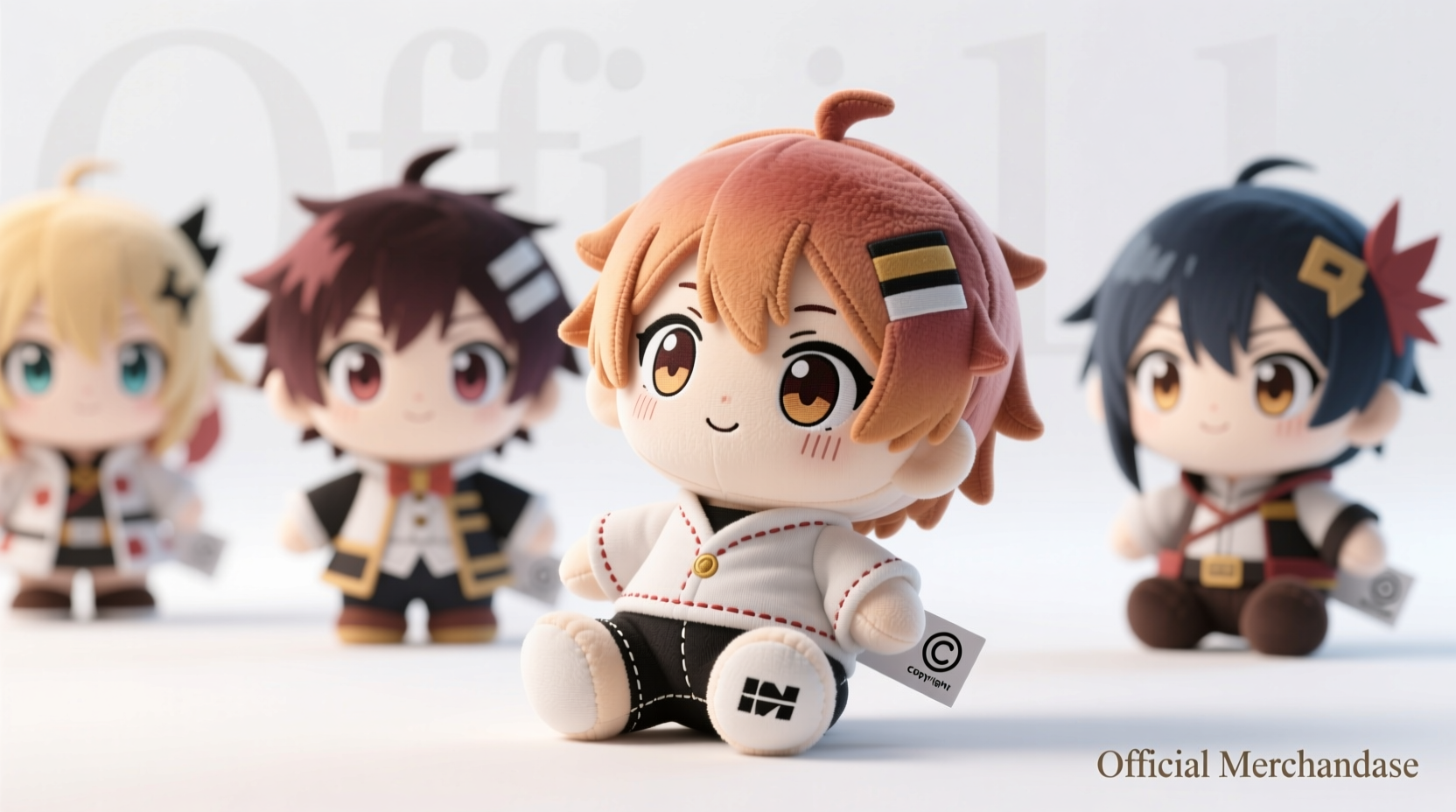
An authentic anime plushie is officially licensed by the anime studio or production company behind the series. These plushies are manufactured under strict quality control, feature accurate character design, and carry official branding such as holographic tags, sewn-in labels, or copyright markings. Licensing ensures that creators are compensated and that consumers receive a product that meets safety and durability standards.
In contrast, counterfeit plushies are produced without permission. They may mimic popular designs but often cut corners: stitching is uneven, colors are off, and materials feel cheap. Some even pose safety risks due to loose parts or toxic dyes. While they might look convincing in photos, holding a fake plush reveals noticeable flaws.
Official licensors include companies like Bandai, Animate, Good Smile Company, and Sanrio. When shopping, check whether the seller references one of these brands or mentions collaboration with the original studio (e.g., Toei Animation, Kyoto Animation). If no such information appears, proceed with caution.
“Licensed merchandise supports the creators who bring these characters to life. Buying authentic means preserving the integrity of the art and industry.” — Akira Tanaka, Anime Merchandise Curator at Tokyo Collectibles Expo
Step-by-Step Guide to Verifying Authenticity Online
Purchasing plushies online removes the ability to inspect them physically before buying. However, a systematic approach can reduce risk significantly. Follow this five-step process when evaluating potential purchases:
- Check the Seller’s Profile and History: On platforms like Amazon, eBay, or Etsy, review the seller’s ratings, number of transactions, and customer feedback. High-volume sellers with consistent positive reviews are more trustworthy. Look for phrases like “official distributor” or “licensed reseller” in their bio.
- Examine Product Descriptions Carefully: Authentic listings will mention the manufacturer, license details, and sometimes even model numbers. Vague descriptions like “inspired by” or “similar to” suggest unofficial status. Watch for spelling errors—a common sign of illegitimate sellers.
- Analyze High-Resolution Photos: Zoom in on images provided. Are seams tight and uniform? Is embroidery crisp, especially around eyes and facial features? Fakes often use printed faces that fade or peel. Also, compare color accuracy against official promotional art.
- Verify Packaging and Tags: Genuine plushies typically come with swing tags, authenticity seals, or cardboard inserts showing logos and copyrights. Some include QR codes linking to verification pages. If packaging isn’t shown, ask the seller directly.
- Cross-Reference Prices: If a rare 16-inch Naruto plush is listed for $15 while retailing at $45 elsewhere, it’s likely counterfeit. Extremely low prices are a major red flag.
Top Platforms for Buying Authentic Anime Plushies
Not all online stores offer the same level of reliability. The platform you choose plays a crucial role in ensuring authenticity. Below is a comparison of leading options based on trustworthiness, return policies, and availability.
| Platform | Pros | Cons | Best For |
|---|---|---|---|
| Animate Online | Direct from Japan; official releases; pre-orders available | High shipping costs; limited international delivery | Dedicated collectors seeking new launches |
| Crunchyroll Store | Licensed merch; fast U.S. shipping; frequent exclusives | Smaller selection; occasional stockouts | Fans of current-season anime |
| Amazon (sold by official partners) | Fast delivery; buyer protection; easy returns | Third-party sellers vary in quality; counterfeits exist | Convenient access with verified vendors |
| eBay (Top Rated Plus sellers) | Rare finds; auctions; global inventory | Requires diligence; some listings misrepresent condition | Hunters of vintage or discontinued items |
| Good Smile Company Webshop | Premium craftsmanship; numbered editions; direct sourcing | Pricier; long wait times during restocks | High-end collectors valuing detail and rarity |
When using marketplaces like Amazon or eBay, filter results to show only items \"Ships from and sold by Amazon.com\" or equivalent trusted entities. Avoid listings labeled “Fulfilled by seller” unless the vendor has proven credibility.
Checklist: How to Spot a Fake Plushie Before You Buy
Use this checklist as a quick reference when browsing online stores. Tick off each point to assess legitimacy:
- ✅ Seller clearly states the product is officially licensed
- ✅ Manufacturer name matches known brands (Bandai, Sega, Tomy, etc.)
- ✅ Item includes visible copyright text (e.g., © [Anime Name] / [Year] [Studio])
- ✅ Facial features are embroidered, not printed
- ✅ Stitches are tight, even, and free of loose threads
- ✅ Fabric feels soft but durable—not overly thin or plastic-like
- ✅ Comes with original packaging and authentication tag
- ✅ Price aligns with market average (no suspicious discounts)
- ✅ Customer photos show consistent quality across multiple buyers
- ✅ Return policy allows refunds within 30 days
If fewer than seven items check out, reconsider the purchase. It’s better to wait for a legitimate listing than regret a rushed decision.
Real Example: A Collector’s Close Call
Sophia, a university student and longtime fan of *Demon Slayer*, wanted a high-quality Nezuko plush for her birthday. She found a seemingly perfect 14-inch version on a third-party marketplace priced at $22—less than half the retail cost. The photos looked sharp, and the seller had a 4.7-star rating.
She almost clicked “Buy Now” until she remembered reading about counterfeit plushies. She dug deeper: checking the product description revealed no mention of Bandai or Aniplex, the official rights holders. A reverse image search showed the exact photo used on multiple unrelated sites. One reviewer uploaded a close-up showing peeling face paint and lumpy stuffing.
Sophia reported the listing and instead purchased from the Crunchyroll Store. Her authentic Nezuko arrived with a sewn-in tag, vibrant fabric, and precise detailing. Though it cost $48, she said, “It was worth every penny. I can tell it’ll last years.”
This experience taught her that patience and research pay off. Now, she shares her story in online fan forums to warn others.
Common Red Flags to Never Ignore
Certain warning signs should immediately disqualify a listing, regardless of how appealing it seems. Be vigilant for these indicators:
- No License Information: Legitimate sellers proudly display licensing. Its absence suggests unauthorized production.
- Stock Photos Only: If there are no user-submitted images or unboxing videos, you can’t verify real-world quality.
- Overuse of Keywords Like “Ultra Soft” or “Perfect Gift”: While subjective terms aren’t inherently bad, excessive marketing language often masks poor product truth.
- Shipping from Unusual Locations: Many knockoffs originate from regions known for mass-producing imitations. If a Japanese-branded item ships from an unexpected country without explanation, question it.
- Refusal to Provide Additional Photos: Reputable sellers accommodate reasonable requests. Dodging them is a strong signal of deception.
Frequently Asked Questions
How can I verify a plushie after receiving it?
Inspect the tag for official logos and copyright lines. Compare the design side-by-side with official artwork—look for correct proportions, colors, and accessories. Test durability by gently tugging seams. If anything unravels or smells strongly chemical, it’s likely fake.
Are secondhand plushies safe to buy?
Yes, if bought from trusted sources. Used plushies from private sellers on platforms like Mandarake or Yahoo Auctions Japan (via proxy services) can be authentic and affordable. Always request detailed photos and ask about storage history. Avoid items with stains, odors, or missing tags.
Do all authentic plushies come in boxes?
Not necessarily. Smaller plushies may only have polybags and hang tags. Larger or limited-edition versions usually include rigid boxes. The key is official branding—not packaging alone.
Conclusion: Build a Collection You Can Be Proud Of
Authentic anime plushies are more than just toys—they’re keepsakes that celebrate storytelling, artistry, and fandom. By learning how to identify genuine products, you protect both your investment and the creative ecosystem that produces these works. Whether you're treating yourself or surprising someone special, choosing quality over convenience leads to lasting satisfaction.
Start small: pick one trusted retailer, bookmark it, and make it your go-to source. Over time, you’ll develop an eye for detail and confidence in your choices. Your shelf of adorable, officially licensed characters will stand as a testament to thoughtful collecting.
💬 Have a favorite authentic plushie or a tip for spotting fakes? Share your experience in the comments—your insight could help another fan avoid disappointment.








