In the world of decorative collectibles, few debates are as quietly intense as the one between the timeless elegance of the crystal swan and the humble charm of the generic bird figurine. As interior design evolves and consumer preferences shift toward meaningful craftsmanship and symbolic resonance, the question arises: does the traditional bird figurine still hold its ground against the refined presence of a crystal swan in 2025?
This isn’t just about aesthetics—it’s about cultural significance, material value, emotional impact, and long-term collectibility. The answer may surprise those who assume all bird-themed décor is created equal.
The Symbolism Behind the Swan
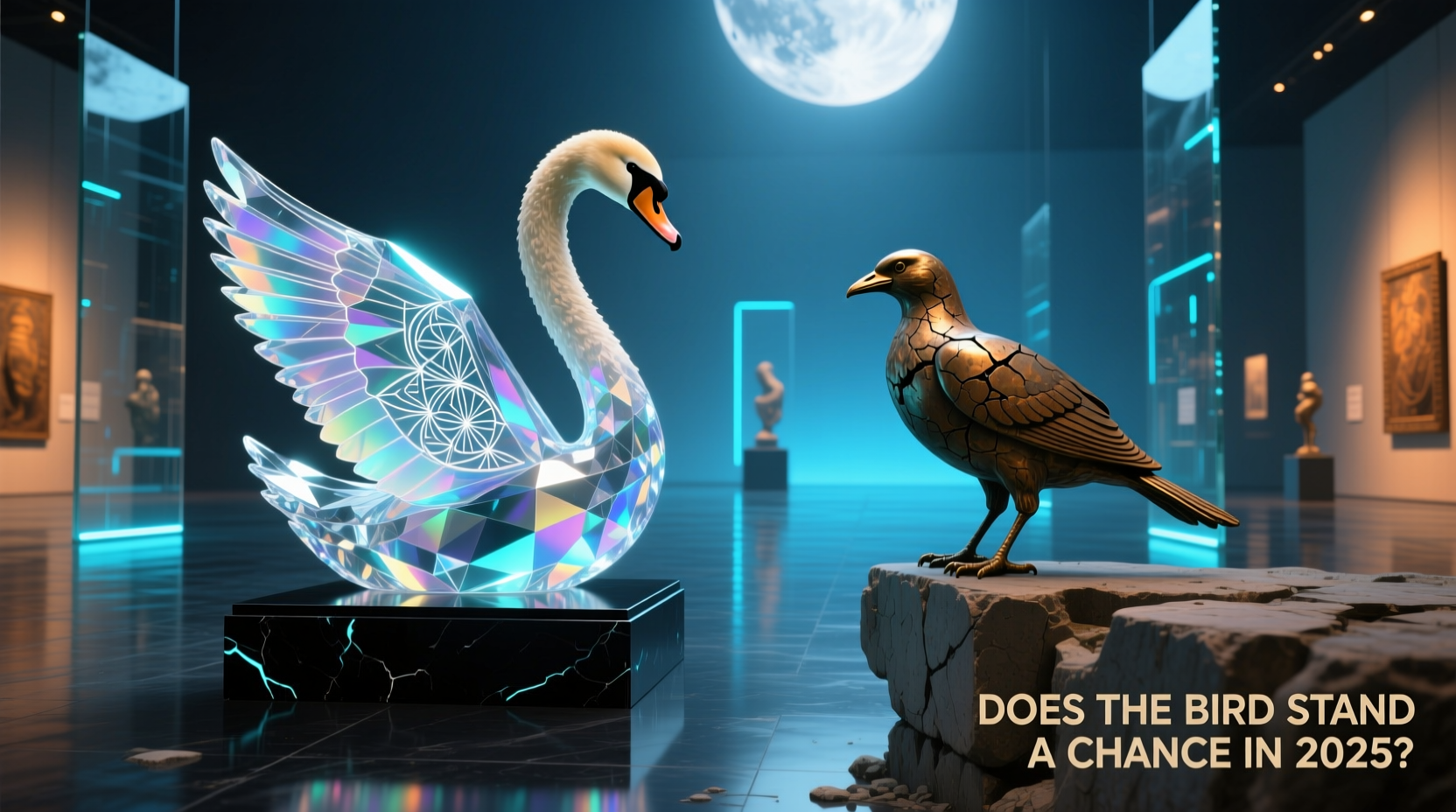
The swan has long been a symbol of grace, transformation, loyalty, and inner beauty across cultures. From ancient Greek mythology—where Zeus transformed into a swan—to Tchaikovsky’s *Swan Lake*, the bird carries deep narrative weight. In feng shui, swans represent enduring love and partnership, often placed in homes to attract harmony.
Crafting these symbols in crystal elevates their presence. Lead crystal refracts light dramatically, creating rainbows and depth that plastic or ceramic birds simply cannot replicate. Brands like Swarovski have spent over a century perfecting this art, turning figurines into heirloom objects passed through generations.
“Crystals amplify intention. A crystal swan isn’t just décor—it’s a focal point for serenity and emotional balance.” — Dr. Lena Petrov, Art Therapist & Design PsychologistTip: Place your crystal swan where morning light hits it—this maximizes its prismatic effect and energizes the space.
The Generic Bird Figurine: Charming, But Outclassed?
Bird figurines come in endless forms: wooden robins, painted sparrows, ceramic doves, and mass-produced resin owls. They’re often affordable, whimsical, and accessible. For many, they evoke nostalgia—a reminder of grandmother’s mantelpiece or a childhood craft project.
Yet in 2025, where minimalism, intentional living, and sustainable luxury dominate design trends, the average bird figurine struggles to justify its place. Most are made from low-grade materials, lack structural precision, and fade or chip over time. Their symbolism, if any, is vague—often reduced to “nature” or “freedom” without deeper narrative.
While some artisanal bird figurines (such as hand-carved Japanese kokeshi birds or Scandinavian wood carvings) command respect, the majority fall into the category of disposable décor—bought on impulse, discarded within months.
Material Matters: A Comparative Analysis
To understand the gap between the two, consider their construction, durability, and perceived value.
| Feature | Crystal Swan | Generic Bird Figurine |
|---|---|---|
| Material | Lead crystal (Swarovski, Preciosa) | Resin, ceramic, plastic, or low-grade metal |
| Lifespan | Decades (with care) | 2–5 years (prone to chipping/fading) |
| Light Interaction | Refracts light, creates rainbows | Matte or flat finish; no light play |
| Sentimental Value | High (often gifted for milestones) | Low to moderate |
| Market Resale Value | Maintains or increases (limited editions) | Nearly zero |
| Symbolic Depth | Romance, transformation, purity | General nature motif |
The data shows a clear divergence: crystal swans are investments in both beauty and meaning, while most bird figurines serve as temporary accents with limited staying power.
Real-World Example: The Johnson Living Room Makeover
In early 2024, interior designer Mia Thompson was hired to refresh the Johnson family’s living room in Portland. The space had five small bird figurines scattered across shelves—colorful but mismatched. After consultation, Thompson replaced them with a single 6-inch Swarovski crystal swan centered on the mantel.
The result? Immediate visual cohesion. Family members reported feeling “calmer” in the room. Guests consistently complimented the swan’s sparkle. Within three months, the Johnsons received two offers to purchase the figurine when they mistakenly posted a photo online.
“One powerful piece can anchor a room,” Thompson said. “The swan didn’t just replace the birds—it elevated the entire energy of the space.”
How to Choose Wisely in 2025: A Practical Checklist
If you're deciding between a crystal swan and a standard bird figurine, ask yourself the following before purchasing:
- Is this meant to last? If yes, prioritize crystal or high-end artisan materials.
- Does it carry personal meaning? A dove for peace, an owl for wisdom—attach intention.
- Will it interact with light? Crystal thrives in sunlit areas; matte birds suit shaded corners.
- What’s the long-term plan? Heirloom pieces should be durable and timeless.
- Am I buying for trend or truth? Avoid impulse buys based on fleeting decor fads.
Future Trends: Why 2025 Favors the Swan
Three major shifts in 2025 make the crystal swan not just relevant—but increasingly dominant:
- Rise of Mindful Decor: Consumers are moving away from clutter. One meaningful object now outweighs ten decorative trinkets.
- Resurgence of Heirloom Culture: Younger buyers seek items they can pass down, especially those tied to emotion or milestone events (weddings, anniversaries).
- Crystal Energy Popularity: Though debated scientifically, the belief in crystals’ calming influence continues to grow, particularly in wellness-focused homes.
Meanwhile, mass-produced bird figurines face declining shelf space. Retailers like HomeGoods and IKEA have reduced generic animal figurine lines by 30% since 2022, redirecting inventory toward sculptural art and multifunctional décor.
Frequently Asked Questions
Can a bird figurine ever match a crystal swan’s value?
Only if it’s handmade by a recognized artisan, made from premium materials (e.g., bronze, carved jade), or holds deep personal history. A factory-made robin won’t compete with a Swarovski swan in longevity or prestige.
Are crystal swans outdated or cliché?
Not in modern contexts. When styled minimally—with monochrome interiors or paired with plants—crystal swans feel contemporary. Their timelessness works in their favor, avoiding the trap of looking “dated” like themed knickknacks.
How do I authenticate a real crystal swan?
Look for brand engravings (e.g., “Swarovski Austria”), weight (real crystal is heavier), and sound (gently tap it—a clear ring indicates quality). Purchase only from authorized dealers to avoid fakes.
The Verdict: Does the Bird Stand a Chance?
In raw numbers, bird figurines still outsell crystal swans—by volume. But sales aren’t the full story. Influence, longevity, and emotional resonance tell another tale. By 2025 standards, the typical bird figurine doesn’t just struggle to keep up—it fails to meet the expectations of discerning homeowners, collectors, and designers focused on lasting impact.
The crystal swan represents more than a bird. It’s a convergence of artistry, symbolism, and material excellence. It commands attention not through loudness, but through quiet brilliance. It transforms light, space, and mood. It earns its place on a piano, a wedding gift table, or a meditation altar.
The bird figurine? It might bring a smile today. But the swan will still be casting rainbows in 2045.
💬 Do you own a crystal swan or a cherished bird figurine? Share your story in the comments—what makes it special, and how has it shaped your space?








