Sometimes, the unexpected happens—a broken leash during a walk, a sudden need to take your dog outside, or simply forgetting the leash at home. While no substitute fully replaces a properly designed dog leash, knowing how to create a safe and functional temporary alternative can prevent stress and keep your pet secure. With common household items and a bit of ingenuity, you can assemble a reliable makeshift leash in minutes. The key is prioritizing safety, strength, and comfort for both you and your dog.
Why a Makeshift Leash Might Be Necessary
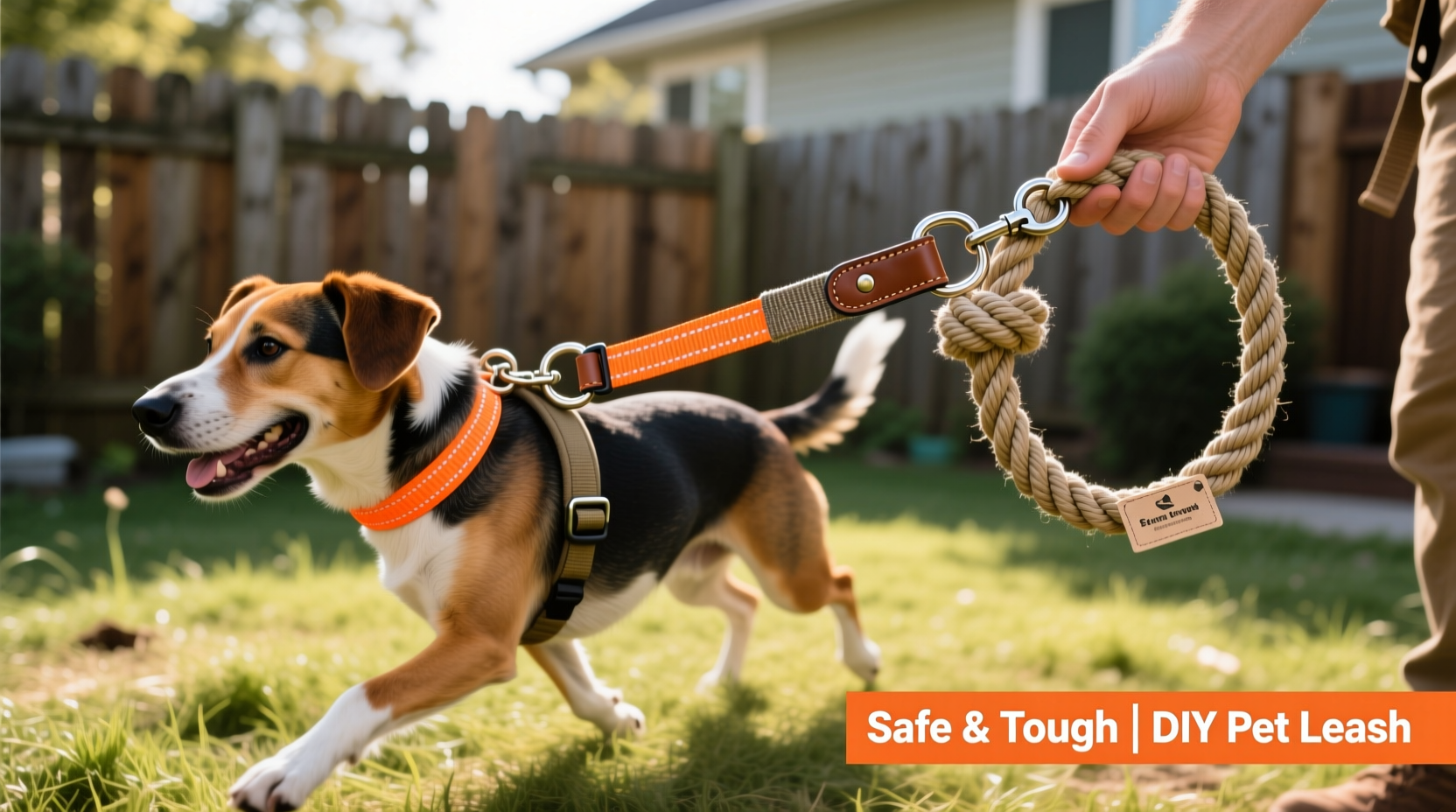
Emergencies don’t wait for preparation. Whether you’re traveling, camping, or dealing with a snapped leash, having the knowledge to improvise responsibly is invaluable. Veterinarians and animal behaviorists agree that keeping a dog under control during outdoor movement is essential—not just for obedience, but for preventing accidents, escapes, or confrontations with other animals.
A well-improvised leash should allow you to maintain control without causing injury. It must be strong enough to handle sudden pulls, long enough for manageable reach, and free from sharp edges or materials that could burn or cut your hands.
“Even in emergencies, a dog’s physical and emotional safety should never be compromised. A quick fix should still respect basic principles of restraint and comfort.” — Dr. Lena Torres, DVM, Animal Behavior Specialist
Choosing the Right Materials: What Works and What Doesn’t
Not all household items are suitable for use as a dog leash. Some may look strong but fail under pressure. Below is a comparison of common materials and their suitability for emergency leashes.
| Material | Strength | Risk Level | Best For |
|---|---|---|---|
| Leather belt (real or synthetic) | High | Low | Medium to large dogs, short-term use |
| Nylon webbing (from luggage straps or backpacks) | Very High | Very Low | All sizes, extended use |
| Rope (kitchen clothesline, nylon cord) | Moderate to High | Moderate (fraying risk) | Small to medium dogs |
| Extension cord (fabric-wrapped) | Moderate | High (electrical hazard if damaged) | Only if no live wires; avoid if possible |
| Towel or fabric strip | Low | High (slippery, weak seams) | Not recommended |
| USB cables, headphone cords | Very Low | Extreme | Never use |
Step-by-Step Guide: Building a Safe Temporary Leash
Follow this practical sequence to create an effective, short-term leash using common items. This method assumes your dog already wears a collar or harness.
- Assess your dog’s size and temperament. A calm, small dog requires less robust materials than an energetic large breed.
- Gather materials: Choose one of the high-suitability options from the table—e.g., a sturdy nylon strap from a backpack or duffel bag.
- Cut or detach a length of 4 to 6 feet. This provides enough control without tripping hazards.
- Reinforce connection points. If using a strap with a buckle, loop it through itself twice and pull tight. Avoid relying on single stitching.
- Attach securely to the collar or harness ring. Double-knot if using rope; ensure no slippage.
- Test tension gently. Have someone hold the leash while you simulate a light pull from the dog’s side.
- Pad the handle if needed. Wrap the gripping end with a sock or cloth to prevent rope burn.
Remember: This leash is for immediate, short-distance use only—such as getting your dog back home, into a car, or to a vet. Replace it with a proper leash as soon as possible.
Real-World Example: Improvising During a Hiking Trip
Mark, a frequent hiker from Colorado, was mid-trail with his Australian Shepherd, Scout, when the nylon clasp on his leash snapped. With no cell service and two miles from the trailhead, he couldn’t call for help. Remembering an old climbing webbing strap in his daypack, he removed it (approximately 5 feet long, 1-inch wide), tied one end securely to Scout’s harness using a double figure-eight knot, and wrapped the other end around his hand for grip. Despite Scout’s excitement at spotting wildlife, the improvised leash held firm. Mark walked slowly, kept tension low, and reached his car safely.
His takeaway? “I now carry a 6-foot paracord and mini carabiner in my hiking kit. It weighs nothing and could save a situation like that again.”
Creative Alternatives Using Household Items
If you're indoors and need a quick solution, consider these inventive yet responsible options:
- Belt Leash: A leather or heavy fabric belt can be fastened through its own loop and attached to the collar. Ensure the buckle won’t accidentally open.
- Dog Harness from a Shirt: In extreme cases where no collar exists, a button-up shirt can be adapted into a body harness. Slip arms over front legs, button across the chest, and use the collar loop to attach a cord or strap.
- Luggage Strap: Many retractable luggage straps have durable hooks and strong webbing. Detach and use as a fixed-length leash.
- Paracord or Utility Cord: Found in garages or emergency kits, paracord has a 550-pound tensile strength. Fold into a double strand and knot securely.
- Extension Pole with Rope: For large or strong dogs, tie a rope to a sturdy garden pole to increase leverage, creating a shepherd-style staff for better control.
Checklist: Before Using a Makeshift Leash
Run through this checklist every time you improvise:
- ✅ Is the material strong enough for my dog’s weight and energy level?
- ✅ Are all knots tight and secure? (Test with firm tugs)
- ✅ Is the attachment point on the collar/harness stable and rust-free?
- ✅ Can I maintain full control at arm’s length?
- ✅ Am I avoiding high-traffic or hazardous areas?
- ✅ Do I have a plan to replace this with a real leash immediately?
Frequently Asked Questions
Can I use a shoelace as a dog leash?
No. Even multiple shoelaces braided together lack the tensile strength needed for safe control. They can snap under sudden tension, risking escape or injury.
Is it safe to use a rope from a window blind?
Only if it’s made of thick nylon or polyester and shows no signs of wear. Blind cords are often thin and prone to fraying. Never use plastic-coated electrical cords.
How long can I use a makeshift leash?
Only for the minimum time necessary—ideally less than 30 minutes and limited to controlled environments. Prolonged use increases wear and risk.
Final Thoughts and Responsible Use
Improvisation is a skill rooted in preparedness. While a makeshift dog leash should never become routine, knowing how to construct one safely reflects thoughtful pet ownership. The goal isn't to replace quality gear but to respond wisely when equipment fails.
Every dog owner benefits from a small emergency kit: a spare harness, 6 feet of paracord, and a carabiner stored in a glove compartment or backpack. These items weigh little but offer significant peace of mind.
💬 Have you ever had to improvise a dog leash? Share your story or tips in the comments—your experience could help another pet owner in a pinch!








