
Imaginative play is more than just make-believe—it’s a vital part of childhood development. When children engage in pretend scenarios, they strengthen language skills, practice emotional regulation, and build problem-solving abilities. For fans of Disney’s *Sofia the First*, her world of Enchancia offers a rich backdrop for storytelling and exploration. By integrating Sofia-themed toys into everyday play, parents and caregivers can create immersive experiences that spark creativity and deepen engagement. The key lies not just in owning the toys, but in how they’re used.
Sofia’s journey from a commoner to a princess who values kindness, courage, and empathy provides meaningful narrative threads. These themes can be woven into playful activities that go beyond screen time or passive entertainment. With thoughtful guidance, Sofia toys become tools for growth, not just objects of affection.
Create an Enchancia-Themed Play Zone
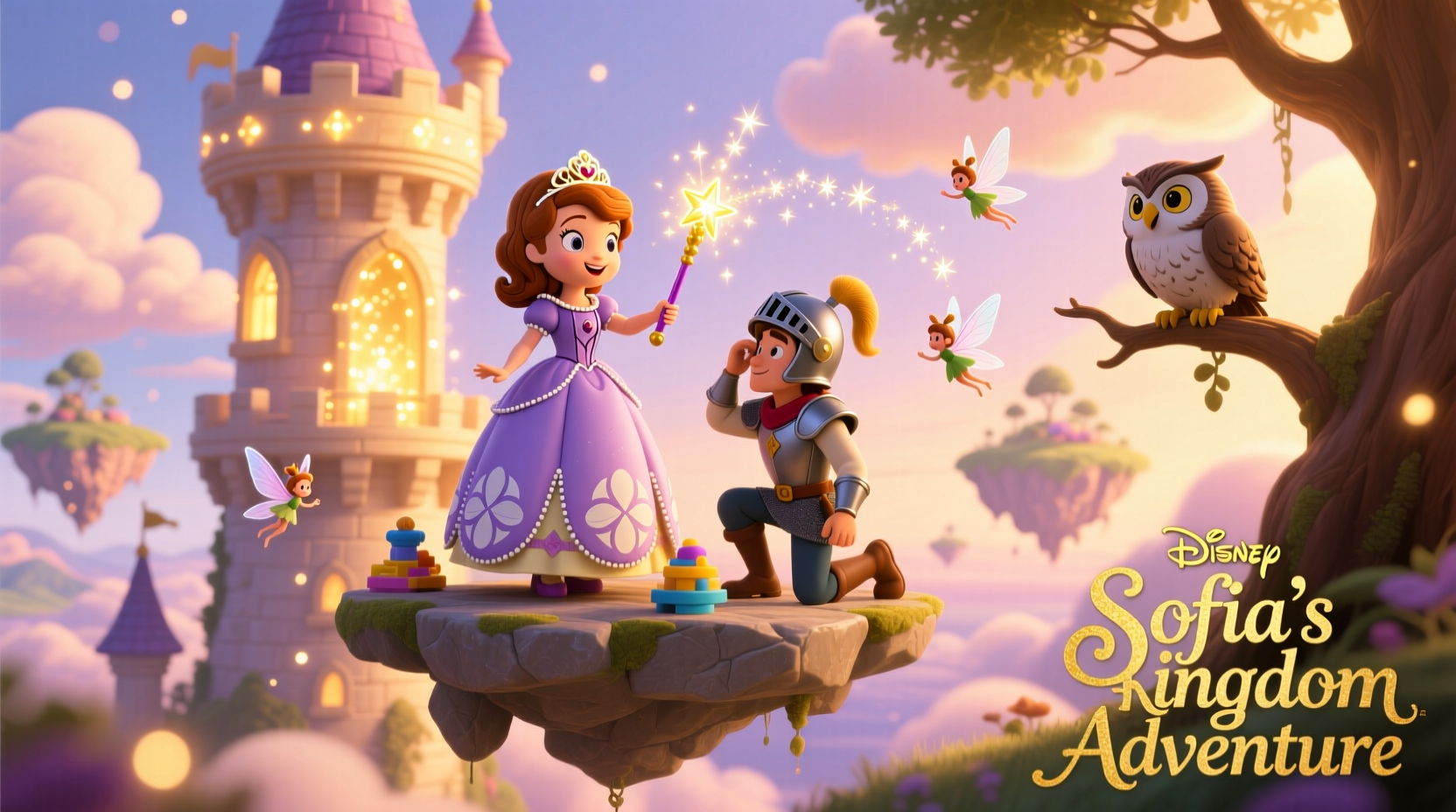
Transforming a corner of a room into a miniature kingdom gives children a dedicated space where imagination can flourish. Use Sofia’s castle playset as the centerpiece, then expand with handmade additions: draw banners with royal crests, use fabric scraps as royal capes, or repurpose cardboard boxes into throne rooms or stables for Clover the bunny.
A themed environment encourages sustained role-play. When a child enters “Enchancia,” they’re more likely to stay in character, developing narrative consistency and emotional investment in their stories.
Tip: Rotate accessories weekly—swap out Sofia’s amulet for a magic scroll or introduce a “mystery guest” toy—to keep the play zone feeling fresh and exciting.Design Story Prompts and Quest Cards
Children often need a starting point to begin imaginative sequences. Create simple quest cards featuring challenges inspired by episodes of *Sofia the First*. Write prompts like:
- \"Help Princess Sofia find the lost music box before the royal concert.\"
- \"The Amulet of Avalor needs recharging! Travel to the Crystal Caves.\"
- \"Invite Prince James to tea, but watch out—Watt the firefly might knock over the cupcakes!\"
Place these in a decorated box labeled “Royal Missions.” Let your child draw one each play session. This structure supports narrative development while preserving creative freedom in how the mission unfolds.
“Children who engage in guided imaginative play show greater advances in vocabulary and social reasoning.” — Dr. Lena Patel, Child Development Researcher, University of Michigan
Host a Royal Court Tea Party
Tea parties are timeless in imaginative play, and Sofia’s elegant demeanor makes them especially fitting. Use toy teacups, plates, and pretend food, or craft your own from clay or paper. Assign roles: one child is Sofia, another is Queen Miranda, and a stuffed animal can be Cedric the Cat (with mixed loyalty, of course).
Add depth by introducing etiquette rules from Enchancia: “All guests must curtsy before tasting the lavender scones,” or “Only those who answer the riddle may sit at the high table.” These playful constraints encourage rule-following, turn-taking, and language precision.
| Element | Real-Life Skill Developed | Toy Integration Idea |
|---|---|---|
| Role Assignment | Social identity & empathy | Use Sofia, Amber, and James figures to assign roles |
| Menu Planning | Sequencing & decision-making | Create a “Royal Bakery” station with pretend pastries |
| Conflict Resolution | Emotional regulation | Incorporate a “mischievous pixie” who spills tea—how will the court respond? |
Step-by-Step Guide: Launching a Weekly Royal Adventure
Consistency deepens engagement. Establish a recurring imaginative play routine with this five-step process:
- Choose a Theme Night: Pick a night—like “Royal Wednesday”—dedicated to Enchancia adventures.
- Prepare Props Ahead: Lay out Sofia’s crown, wand, and companion toys the evening before.
- Introduce a Challenge: Begin with a short story: “A storm has scattered the royal jewels across the garden!”
- Play Together (Optional): Join briefly as a character (e.g., King Roland), then step back to let your child lead.
- Debrief Afterward: Ask, “What was the bravest thing Sofia did today?” to reinforce moral themes.
Incorporate Learning Through Play
Imaginative play doesn’t have to be separate from education. Use Sofia toys to teach real-world concepts in disguise:
- Math: Count gemstones on the amulet or divide cupcakes equally among guests.
- Science: Pretend the wand uses “crystal energy”—discuss real crystals or light refraction.
- Geography: Draw a map of Enchancia and compare it to real-world regions (forests, mountains, oceans).
- Emotional Literacy: Discuss how Sofia feels when she’s nervous about school or kind to someone left out.
This method aligns with Vygotsky’s theory of the Zone of Proximal Development—children learn best when supported in slightly challenging tasks embedded in meaningful contexts.
Mini Case Study: The Enchancia Garden Project
Four-year-old Mia adored Sofia but often played passively, watching videos while holding her doll. Her mother introduced a “Royal Garden Rescue” storyline: magical flowers in Enchancia were wilting, and only Sofia could save them by planting seeds in the backyard.
Using toy gardening tools and Sofia’s explorer outfit, Mia began daily missions to “heal the garden.” She learned plant names, practiced watering routines, and even explained photosynthesis to her stuffed animals. Over six weeks, her sentence length increased, and she initiated complex narratives involving fairies, weather spells, and pollination helpers.
The blend of outdoor activity, toy-based storytelling, and gentle guidance transformed passive fandom into active learning.
Do’s and Don’ts of Guided Imaginative Play
To maximize developmental benefits, follow these best practices:
| Do’s | Don’ts |
|---|---|
| Let the child lead the story | Take over the narrative or correct “plot errors” |
| Use open-ended questions (“What should Sofia do next?”) | Ask yes/no questions that end the conversation |
| Introduce one new prop or idea per session | Overwhelm with too many toys or rules |
| Praise effort, not outcome (“You worked hard to save the kingdom!”) | Focus on perfection (“That’s not how the show does it”) |
FAQ
Can boys benefit from playing with Sofia the First toys?
Absolutely. Themes of bravery, kindness, and problem-solving transcend gender. Boys can play Prince James, Cedric, or invent new knights and wizards. Encouraging inclusive play fosters empathy and breaks down stereotypes about what toys are “for.”
My child only wants to watch the show. How do I transition to hands-on play?
Start small. After an episode, ask, “What would happen if Sofia went to school tomorrow?” Then grab the doll and act out one scene together. Mirror favorite moments first, then gently introduce new twists. Patience and co-play are key.
Are expensive playsets necessary for imaginative play?
No. A single Sofia doll and a homemade wand can launch epic adventures. Children’s imaginations fill gaps—sometimes a shoebox becomes a grand castle. Focus on interaction, not price tags.
Checklist: Building a Sustainable Imaginative Play Routine
- ✅ Designate a consistent play space for Enchancia
- ✅ Introduce one new story prompt per week
- ✅ Rotate toys every 7–10 days to maintain novelty
- ✅ Join play occasionally, but let your child lead
- ✅ Connect play themes to real-life skills (emotions, numbers, nature)
- ✅ Celebrate creativity, not accuracy to the TV show
- ✅ Record and revisit favorite adventures through drawings or audio
Conclusion: Empower Imagination, One Adventure at a Time
Sofia the First toys are more than merchandise—they’re gateways to worlds shaped by compassion, curiosity, and courage. When guided with intention, these toys help children explore identity, ethics, and relationships in safe, joyful ways. The castle doesn’t need to be plastic, the wand doesn’t need batteries—the magic is in the mind.
💬 Ready to bring Enchancia to life? Start tonight with a simple quest card or tea party. Share your family’s favorite Sofia adventure in the comments—your idea might inspire another kingdom!








