
Dogs thrive on stimulation—mental, physical, and emotional. While a simple tennis ball or rope toy has its place, relying solely on these basics can leave your dog under-stimulated, especially in homes with limited outdoor access or high-energy breeds. Enrichment through innovative toys and interactive play isn’t just about entertainment; it’s essential for reducing anxiety, preventing destructive behaviors, and fostering a deeper bond between pet and owner. By rethinking how we use toys, we can transform routine play into meaningful experiences that challenge, comfort, and delight our canine companions.
1. Puzzle Toys That Evolve With Your Dog
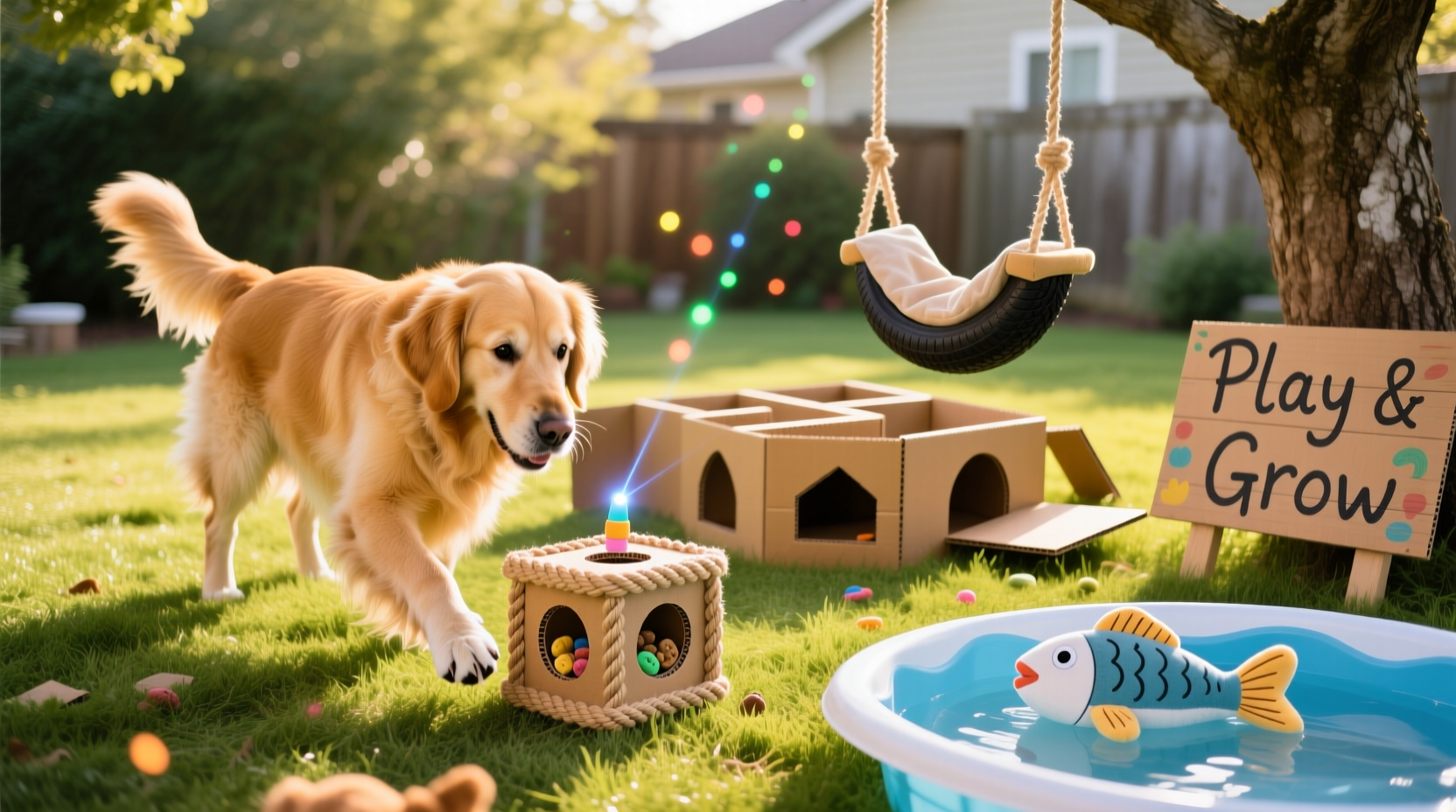
Puzzle toys are among the most effective tools for mental enrichment. Unlike static chew toys, puzzle feeders require problem-solving, patience, and focus. The key is progression: start with beginner-level puzzles and gradually increase complexity as your dog masters each level.
For instance, a Level 1 puzzle might involve sliding a treat from an open compartment. A Level 3 version could require flipping lids, turning dials, or moving blocks in sequence. This graduated challenge keeps dogs engaged and prevents boredom.
Tip: Introduce new puzzle toys during low-distraction times, like early morning, so your dog can focus without feeling overwhelmed.Rotate puzzle toys weekly to maintain novelty. Dogs, like humans, benefit from variety. A toy they ignored last week may suddenly become fascinating when reintroduced after a break.
2. DIY Sensory Play Stations
Sensory play isn’t just for children—it’s a powerful way to engage a dog’s natural instincts. Create indoor or outdoor sensory stations using safe, textured materials that encourage exploration.
Fill shallow bins with dried rice, crumpled paper, or soft fabric scraps, then hide treats or squeaky toys beneath. Let your dog dig, paw, and nose through the layers. This mimics foraging behavior and activates their sense of smell, one of their most powerful senses.
- Use non-toxic, washable materials only.
- Supervise closely to prevent ingestion of non-food items.
- Limit sessions to 5–10 minutes to avoid overstimulation.
“Dogs who engage in scent-based activities show lower cortisol levels and improved focus,” says Dr. Lena Reyes, veterinary behaviorist at the Canine Wellness Institute. “It’s not just fun—it’s functional brain training.”
3. Interactive Technology for Independent Play
Modern pet tech has opened new doors for enrichment, especially for dogs left alone during the day. Devices like treat-dispensing cameras, motion-activated toys, and automated launchers provide engagement even when you’re not home.
A Wi-Fi-enabled ball launcher, for example, can be controlled remotely via smartphone. You can initiate a game of fetch from the office, reinforcing bonding despite distance. Some models even respond to your dog’s barks or movements, offering autonomous play tailored to their energy level.
While technology should never replace human interaction, it can bridge gaps in attention and prevent loneliness-related behaviors like excessive barking or chewing.
| Toy Type | Best For | Limits |
|---|---|---|
| Treat-Dispensing Camera | Dogs needing mental stimulation while alone | Requires stable Wi-Fi; not suitable for aggressive chewers |
| Automatic Ball Launcher | High-energy breeds | Needs open space; can encourage obsessive chasing |
| Interactive Sound Toy | Dogs responsive to auditory cues | Limited battery life; may startle sensitive dogs |
4. Themed Toy Rotation System
Just as children benefit from themed learning weeks, dogs respond well to structured toy rotation. Instead of leaving all toys out at once, organize them into categories and rotate weekly.
Example themes:
- Chew Week: Focus on durable rubber toys, frozen broth-filled Kongs, and dental chews.
- Scent Week: Emphasize snuffle mats, hidden treat games, and toys infused with calming scents like lavender (pet-safe).
- Fetch & Motion Week: Highlight balls, frisbees, and flirt poles to encourage aerobic activity.
- Cuddle Week: Introduce plush toys with heartbeat simulators or warmable inserts for emotional comfort.
This system prevents habituation, reduces possessiveness over specific toys, and ensures balanced development across play types.
Step-by-Step: Implementing a Themed Rotation
- Sort existing toys into four categories: Chew, Scent, Motion, Cuddle.
- Store unused toys in labeled bins out of reach.
- Introduce the weekly theme with a short play session focused on those toys.
- End the week by cleaning all used toys before storage.
- Repeat, adjusting themes based on your dog’s preferences and needs.
5. Real-Life Example: Max, the Anxious Terrier
Max, a 4-year-old Jack Russell Terrier, was referred to a behavioral trainer due to nighttime pacing and furniture destruction. His owners worked long hours, and his only toys were a squeaky hedgehog and a worn tennis ball.
The trainer introduced a structured enrichment plan:
- Week 1: Scent-focused play with a snuffle mat and hidden kibble.
- Week 2: Puzzle toys combined with a treat-dispensing camera for midday engagement.
- Week 3: Flirt pole sessions to redirect his high prey drive safely.
Within six weeks, Max’s destructive behavior decreased by 80%. His owners reported he fell asleep faster and greeted them calmly instead of frantically. The change wasn’t due to medication or strict discipline—it came from thoughtful toy use that addressed his instinctual needs.
Checklist: Enrich Your Dog’s Toy Routine
Use this checklist to evaluate and upgrade your dog’s play experience:
- ☑ Rotate toys weekly using themed categories.
- ☑ Introduce at least one puzzle toy that matches your dog’s skill level.
- ☑ Create a sensory bin with safe, tactile materials.
- ☑ Try one tech-enabled toy for independent play.
- ☑ Schedule daily interactive sessions (even 10 minutes counts).
- ☑ Clean all toys monthly with pet-safe disinfectant.
- ☑ Observe which toy types your dog gravitates toward—adjust accordingly.
Frequently Asked Questions
How do I know if my dog is truly enriched by a toy?
Signs of true enrichment include sustained focus, relaxed body language after play, reduced repetitive behaviors, and eagerness to interact. If your dog loses interest within minutes or becomes frustrated, the toy may be too difficult—or too easy.
Are expensive toys worth it?
Not necessarily. Some of the most enriching toys are homemade or low-cost, like cardboard boxes with hidden treats. However, durable puzzle toys from reputable brands often offer better safety and longevity, making them a smart investment for heavy chewers.
Can too much toy stimulation be harmful?
Yes. Overstimulation can lead to hyperactivity, anxiety, or resource guarding. Limit high-intensity play to short bursts and always follow energetic sessions with calm-down time. Balance is key.
Conclusion: Rethink Play, Deepen Connection
Enriching your dog’s life with toys goes far beyond buying the latest squeaker. It’s about understanding their instincts, addressing their emotional needs, and engaging them in ways that stimulate the mind as much as the body. From DIY sensory bins to intelligent tech gadgets, the tools exist to transform everyday play into profound enrichment.
💬 What’s one creative toy idea that changed your dog’s behavior? Share your story in the comments and inspire other pet parents to think outside the box—literally!








