Not all cats are drawn to feather wands or crinkle balls. Some felines observe their humans with quiet curiosity, unimpressed by the latest catnip mouse or laser pointer. If your cat ignores toys, it’s not a sign of disinterest in you—it may simply mean their idea of engagement differs from what we typically offer. Understanding this distinction is the first step toward building a deeper connection. Cats are naturally curious, territorial, and intelligent animals; they respond best to subtle, scent-based, and interactive experiences tailored to their instincts. With patience and creativity, even the most toy-averse cat can become more engaged—and your bond can grow stronger than ever.
Understanding Why Your Cat Avoids Toys
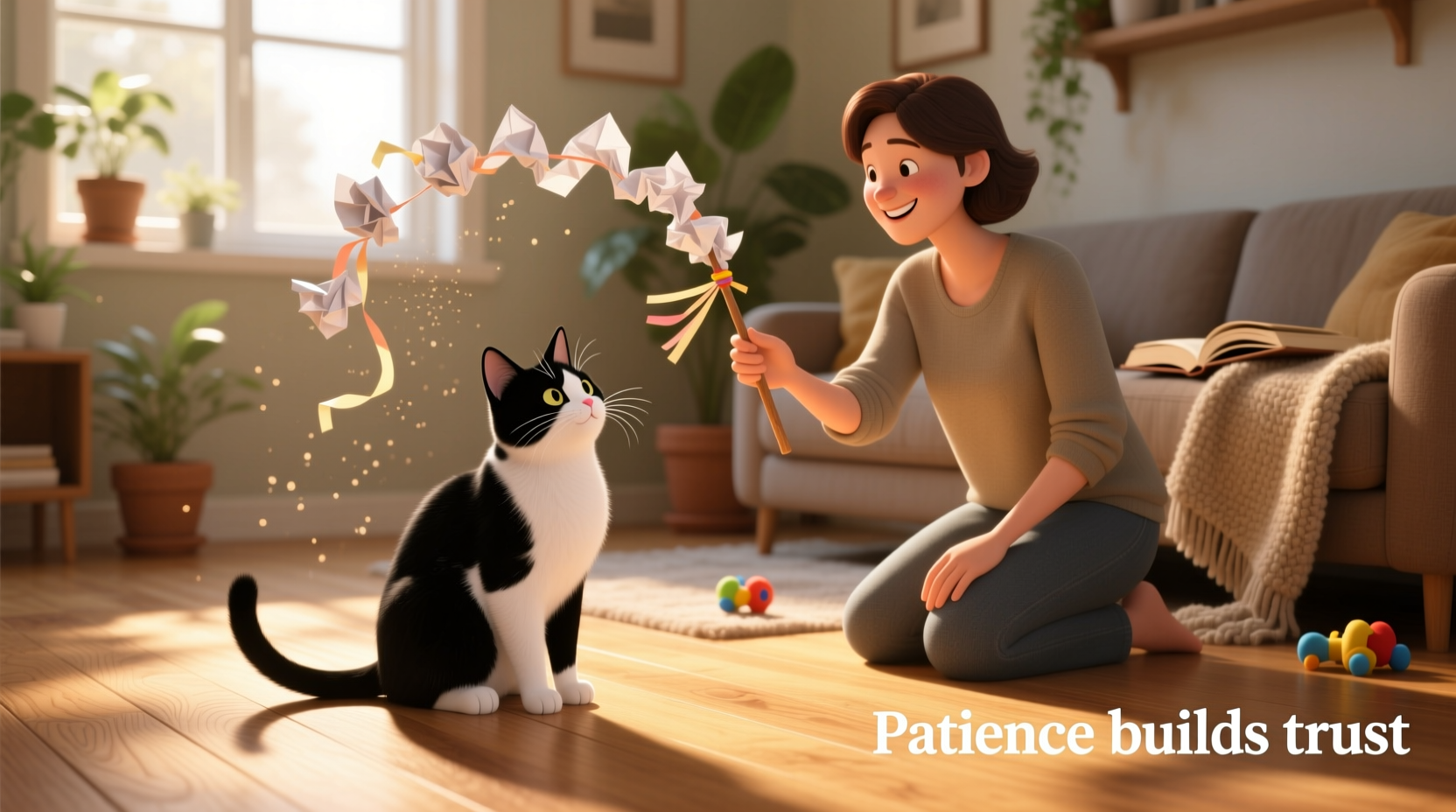
Cats reject toys for many reasons: past negative experiences, lack of stimulation, fear, or simply personal preference. A toy might move too fast, make an unsettling noise, or smell artificial. Indoor cats, especially those without early socialization, may not have developed strong predatory play habits. Others may be highly observant but prefer mental over physical stimulation. Recognizing these factors helps shift focus from “getting them to play” to “inviting them into meaningful interaction.”
Dr. Sarah Thompson, a certified feline behavior consultant, explains:
“Cats don’t play just for fun—they practice survival skills. If a toy doesn’t mimic prey movement or trigger instinct, it won’t register as interesting. The key is matching the cat’s natural hunting sequence: stalk, chase, pounce, bite, and ‘kill.’”
This insight reframes how we approach engagement—not as entertainment, but as participation in their primal behaviors.
Non-Toy Play: Creative Alternatives That Work
Engaging a toy-resistant cat often means stepping outside traditional play tools. Instead of relying on store-bought items, use everyday objects and environmental cues to spark interest.
- Shadow and light games: Use a flashlight or sunlight filtering through blinds to cast moving shadows. Many cats will track and bat at shifting light patterns.
- Crinkled paper trails: Tear strips of paper and drag them slowly across the floor. The sound and motion simulate small prey scurrying.
- Cardboard tunnels and boxes: Arrange boxes into a maze. Hide treats or catnip inside to encourage exploration.
- Water droplets: Turn on a faucet to a slow drip. Some cats enjoy pawing at the falling water—just ensure they aren’t getting soaked.
- Scent trails: Use silver vine or valerian root powder to create a path leading to a cozy spot or treat.
Building Trust Through Daily Rituals
Strong bonds form not during play, but in quiet moments. Cats value consistency and predictability. Incorporating low-pressure routines into your day fosters security and encourages voluntary interaction.
- Morning grooming invitation: Sit nearby during breakfast and gently brush areas your cat likes (usually head and neck). Let them initiate contact.
- Mealtime interaction: Use puzzle feeders or hand-feed small portions to associate your presence with positive outcomes.
- Evening wind-down: Sit quietly with a book or soft music. Allow your cat to approach if they choose. Avoid forcing lap time.
These rituals reinforce that you are a source of comfort, not demand. Over time, your cat begins to anticipate and seek out your company—not because you’re holding a toy, but because you’re part of their safe space.
Interactive Enrichment Without Physical Toys
Environmental enrichment is often more effective than play sessions for reserved cats. Consider your home from a feline perspective: elevated perches, hidden nooks, and sensory variety matter far more than plastic mice.
| Enrichment Type | Practical Idea | Bonding Benefit |
|---|---|---|
| Vertical Space | Install shelves or a cat tree near a window | Encourages shared observation time |
| Scent Rotation | Introduce new scents weekly (cat-safe herbs, laundered clothing) | Invites investigation near you |
| Sound Stimulation | Play bird sounds or gentle purring audio | Creates calming joint experiences |
| Food Puzzles | Use muffin tins covered with tennis balls | Promotes cooperation and problem-solving |
The goal isn’t to entertain your cat constantly, but to design a habitat where engagement happens organically. When your cat jumps onto a shelf beside you to watch birds, that’s bonding in action.
Mini Case Study: Turning Around a Toy-Averse Senior Cat
Milo, a 10-year-old domestic shorthair adopted from a shelter, showed little interest in any toys. His owner, Lena, tried everything—from automatic lasers to plush mice—but Milo would only sniff and walk away. Concerned about his mental health, she consulted a behaviorist who suggested focusing on scent and routine instead.
The turning point came when Lena began placing a worn sweater near Milo’s favorite chair. She also started using a silver vine-dusted cotton ball, rolling it slowly down the hallway each evening. Within two weeks, Milo began following the trail. By week four, he was batting the cotton ball into corners and retrieving it—a behavior Lena never expected.
More importantly, Milo began greeting Lena at the door and sitting beside her during dinner. The toys weren’t the bridge; the consistent, scent-based rituals were. This case illustrates that engagement isn’t about enthusiasm—it’s about relevance.
Step-by-Step Guide to Building Engagement Over 30 Days
Follow this timeline to gradually deepen your connection with a toy-resistant cat:
- Days 1–7: Observe and Map Behavior
Track when your cat is most alert, where they spend time, and what stimuli they notice (e.g., birds, lights). - Days 8–14: Introduce One Novel Stimulus
Try a scent trail or shadow game during peak activity hours. Keep sessions under 5 minutes. - Days 15–21: Add Routine-Based Interaction
Begin feeding by hand or brushing gently during calm periods. Reward proximity, not touch. - Days 22–30: Combine Elements
Use a scent trail that leads to a food puzzle placed near your seating area. Let your cat solve it while you read nearby.
Progress may be subtle. A longer gaze, a slow blink, or a brief rub against your leg are victories. Celebrate them.
Frequently Asked Questions
Can an older cat learn to play if they never liked toys?
Yes. While kittens are more naturally playful, adult and senior cats can develop new interests when introduced gradually and on their terms. Focus on low-effort, high-reward activities like scent games or food puzzles.
What if my cat seems scared of movement?
Avoid sudden motions. Start with still objects that have interesting smells or textures. Let your cat investigate at their own pace. Fear often stems from unpredictability—consistency builds confidence.
Is it bad if my cat never plays?
Not necessarily. Some cats are observers rather than hunters. As long as they’re mentally stimulated, socially connected, and physically active in other ways (like climbing or exploring), they can live fulfilled lives.
Checklist: 7 Actions to Strengthen Your Bond Today
- Observe your cat’s favorite spots and active times
- Introduce one new scent (cat-safe herb or worn clothing)
- Create a simple paper trail across the floor
- Sit quietly near your cat without demanding attention
- Hand-feed a few kibble pieces during a calm moment
- Set up a sunlit perch or cardboard hideaway
- End the day by blinking slowly at your cat—a sign of trust
Conclusion
Engaging a cat that doesn’t like toys isn’t about changing who they are—it’s about meeting them where they are. True connection grows from patience, observation, and respect for their unique personality. Whether it’s a flickering shadow, a whispered word, or a shared moment of silence, every interaction counts. You don’t need flashy gadgets or endless toys. You need presence, creativity, and consistency.
💬 What’s one small way your cat has surprised you with affection? Share your story—we’d love to hear how quiet bonds turn into deep connections.








