
Dogs thrive on connection, movement, and mental engagement. While daily walks and basic commands are essential, interactive play with toys offers a powerful avenue to deepen the bond between you and your dog while simultaneously boosting their cognitive health. Far beyond simple fetch sessions, creative play taps into your dog’s natural instincts—chasing, hunting, problem-solving, and retrieving—transforming routine moments into enriching experiences. The right approach doesn’t just keep your dog entertained; it reduces anxiety, prevents destructive behaviors, and fosters mutual trust.
Why Interactive Play Matters Beyond Physical Exercise
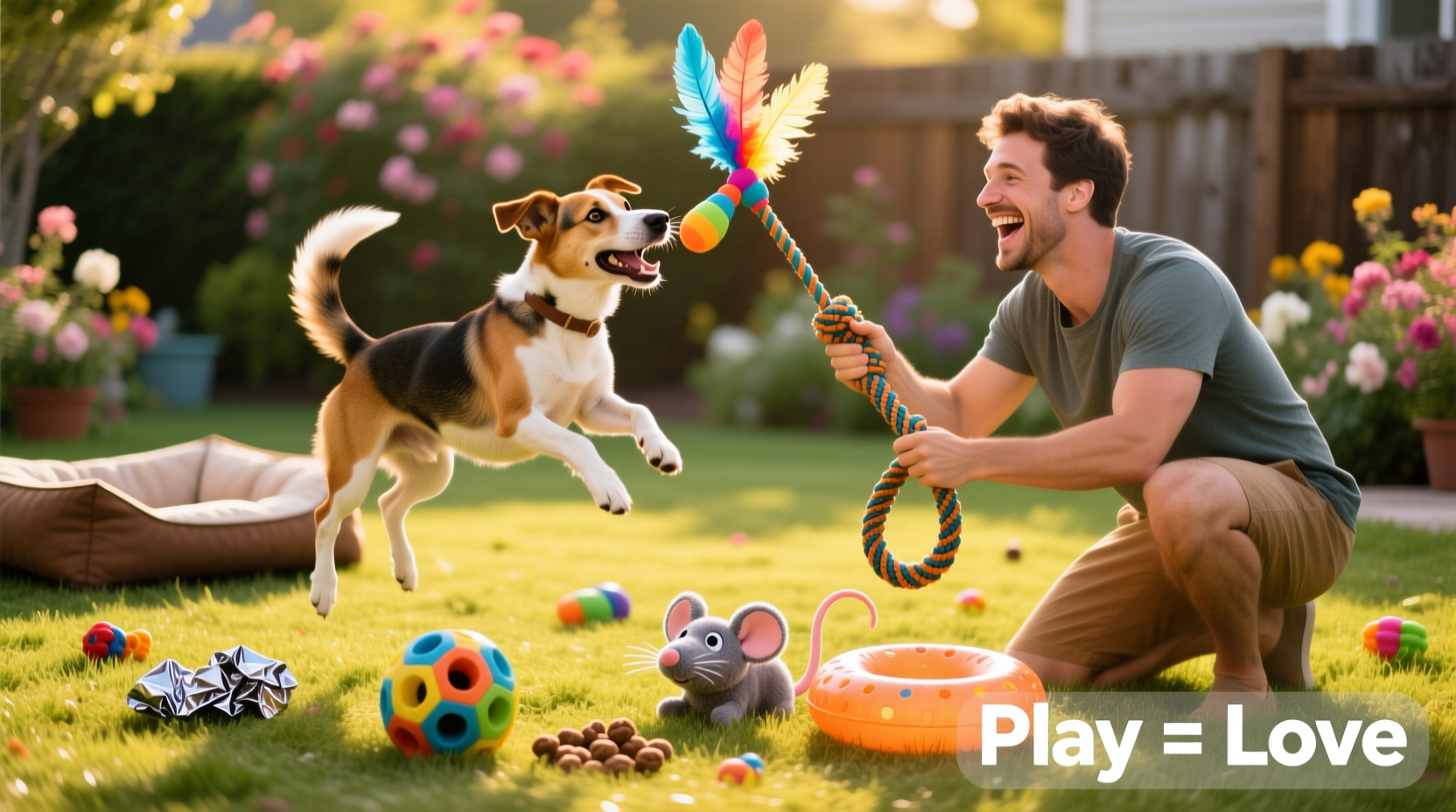
Physical exercise keeps dogs healthy, but mental stimulation is equally vital. Dogs left without cognitive challenges often develop compulsive behaviors like excessive barking, digging, or chewing. Interactive toy play activates different areas of the brain, mimicking real-world survival tasks such as tracking scents, solving puzzles for food, or navigating obstacles. When you participate directly in these activities, your dog learns to look to you for guidance, rewards, and fun—strengthening emotional attachment.
“Dogs don’t just need to move their bodies—they need to use their minds. Engaging them through structured play builds confidence and reinforces the human-animal bond.” — Dr. Laura Bongiorno, Veterinary Behaviorist
Unlike passive entertainment (like leaving a dog with a squeaky toy), interactive play requires coordination, anticipation, and communication between you and your pet. This two-way exchange is where true bonding occurs.
Creative Toy-Based Games to Boost Engagement
Traditional fetch has its place, but introducing imaginative variations keeps your dog mentally alert and eager to participate. Below are several innovative games that combine physical activity with problem-solving—all centered around toys.
1. Hide-and-Seek with Scented Toys
Use a treat-dispensing toy or one infused with a familiar scent (like peanut butter or chicken). Let your dog smell it, then hide it in an accessible spot indoors or outdoors. Encourage them to “find it” using verbal cues. Gradually increase difficulty by hiding the toy behind furniture or under light coverings.
Tip: Start with easy hides and reward enthusiasm, not just success. Positive reinforcement builds motivation.2. The Shell Game with Treat Pouch Toys
Use three opaque cups and a soft toy that holds treats. Place the toy under one cup while your dog watches. Shuffle the cups slowly. Ask your dog to choose the correct cup. This game sharpens memory and focus. Over time, increase shuffles or add distractions.
3. Obstacle Course with Tug and Reward Stations
Create a backyard or indoor course using tunnels, low jumps, and weave poles. At each station, insert a short play session with a specific toy—a quick tug-of-war, a toss of a frisbee, or a puzzle toy release. This combines obedience, physical exertion, and toy interaction in one dynamic experience.
4. “Steal the Toy” – A Controlled Chase Game
Take a durable tug toy and pretend to “steal” it from your dog. React with exaggerated surprise and chase them briefly before letting them “win.” Reverse roles occasionally. This builds confidence and impulse control, especially when paired with a “drop it” command after playful tugs.
5. Storytime Fetch
Add narrative elements to fetch. Use differently colored balls or toys, each assigned a “character” (e.g., “Mr. Blue Ball is lost in the garden!”). Call out the story as your dog retrieves, turning a repetitive game into an imaginative adventure.
Choosing the Right Toys for Maximum Interaction
Not all toys lend themselves to interaction. Prioritize those that invite shared participation rather than solo chewing. Consider durability, safety, and functionality.
| Toy Type | Best For | Interaction Potential | Caution |
|---|---|---|---|
| Tug ropes | Strength building, bonding | High – direct handler involvement | Avoid aggressive pulling; use commands |
| Treat-dispensing puzzles | Mental stimulation | Medium – best when owner guides | Supervise to prevent frustration |
| Fetch balls & launchers | Endurance, retrieval | High – if owner participates | Don’t overuse; balance with rest |
| Squeaky plush toys | Prey drive simulation | Low – usually solo play | Monitor for ingestion of parts |
| Interactive electronic toys | Independent play | Low – minimal human contact | Use sparingly; not a substitute |
The most effective toys are those you actively engage with. Rotate toys weekly to maintain novelty and prevent habituation.
Step-by-Step Guide: Building a Daily Interactive Play Routine
Incorporating interactive play into daily life doesn’t require hours. Even 15–20 minutes a day can yield significant benefits. Follow this sequence to build consistency:
- Assess your dog’s preferences: Does your dog love chasing, tugging, or sniffing? Match toys to their natural inclinations.
- Select 2–3 interactive toys: Choose one tug toy, one puzzle, and one fetch item to rotate.
- Schedule two short sessions: Morning and evening slots work well—before or after walks.
- Begin with a warm-up game: Start with gentle fetch or a quick recall drill to get attention.
- Introduce a challenge: Use a puzzle toy or hide-and-seek variation to stimulate thinking.
- End with cooperative play: Finish with tug or a trick-reward combo to reinforce teamwork.
- Observe and adjust: Note energy levels, focus, and enjoyment. Modify duration or complexity as needed.
Real Example: How Interactive Play Transformed Max, a Rescue Terrier
Max, a 3-year-old Jack Russell Terrier adopted from a shelter, exhibited high anxiety and obsessive digging in the yard. His owners initially assumed he just needed more walks. After consulting a trainer, they introduced a structured play plan focused on interactive toys.
They began with a treat-dispensing ball used during evening play. The owner rolled it short distances, encouraging Max to nudge and chase it. Within days, Max started bringing the ball back, initiating play. They added a fabric tunnel with hidden toys inside, prompting exploration. Over three weeks, digging incidents dropped by 80%. Max became more attentive, slept better, and initiated “check-ins” during walks—looking back at his owner frequently.
The key wasn’t just the toys—it was the consistent, joyful interaction that taught Max his humans were sources of fun and safety.
Essential Checklist for Effective Interactive Play
- ✅ Choose toys that encourage shared participation, not solo chewing
- ✅ Limit play sessions to 10–20 minutes to maintain intensity and focus
- ✅ Use verbal praise and treats to reinforce desired behaviors during play
- ✅ Rotate toys weekly to sustain interest
- ✅ Incorporate commands (sit, stay, drop it) into games for training value
- ✅ Supervise all play to ensure safety and redirect inappropriate behavior
- ✅ Adjust games based on your dog’s age, breed, and energy level
Frequently Asked Questions
How do I know if my dog is mentally stimulated enough?
Signs of adequate mental stimulation include calm downtime after activity, reduced destructive behavior, eagerness to learn new tasks, and improved sleep patterns. If your dog seems restless despite long walks, they may need more cognitive challenges.
Can older dogs benefit from interactive toy play?
Absolutely. Senior dogs still need mental engagement. Adapt games for lower impact—use slow-paced hide-and-seek with soft toys or stationary puzzle feeders. Cognitive exercise can delay age-related decline.
My dog loses interest quickly—what should I do?
Variety is key. Rotate toys, introduce new scents, or change locations. Also, ensure you’re actively involved—dogs often disengage when play feels mechanical or solitary.
Strengthen Your Bond, One Play Session at a Time
Interactive play isn’t just about keeping your dog busy—it’s a language of trust, joy, and mutual understanding. By creatively using toys as tools for connection, you transform everyday moments into opportunities for growth and closeness. Whether it’s a puzzle toy that sparks curiosity or a game of hide-and-seek that ends in laughter, each interaction tells your dog: “I see you. I’m here. And we’re in this together.”
💬 Ready to elevate your playtime? Try one new interactive game this week and share your experience in the comments. What did your dog love—or teach you?








