As the leaves fall and temperatures drop, dressing your dog isn’t just about fashion—it’s a practical necessity. Cold weather demands protection, but that doesn’t mean sacrificing flair. With thoughtful accessories, you can elevate your dog’s seasonal wardrobe while ensuring they stay warm, dry, and comfortable. From functional gear to statement pieces, the right accessories blend utility with personality. This guide explores inventive yet practical ways to enhance your dog’s autumn and winter ensembles, helping them strut through the season in both comfort and confidence.
Why Accessorizing Matters Beyond the Coat
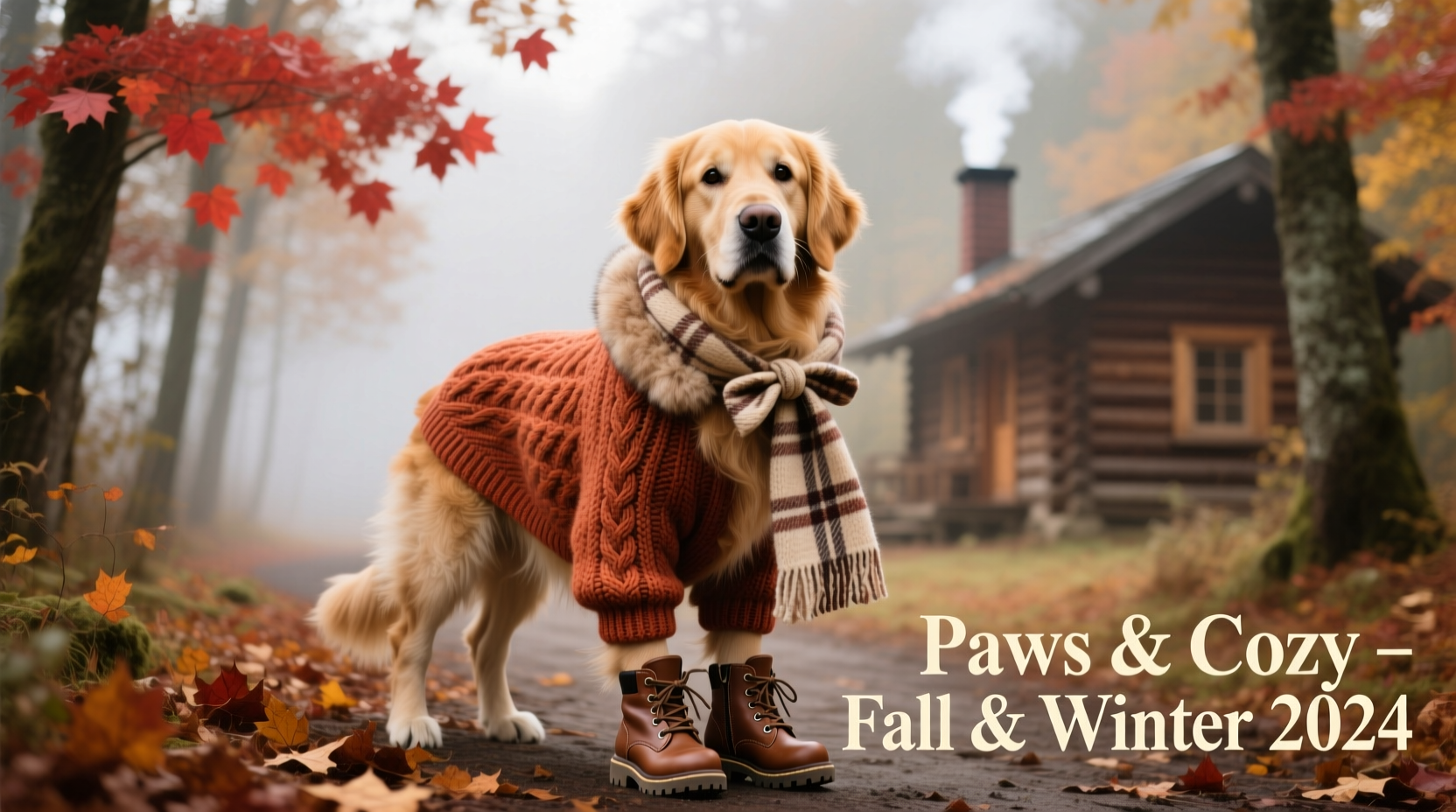
A waterproof jacket or cozy sweater is often the foundation of cold-weather dog wear, but accessories complete the look—and improve performance. The right additions protect vulnerable areas like paws and ears, increase visibility in low light, and reflect your pet’s unique character. More importantly, well-chosen accessories prevent discomfort, reduce slipping on ice, and even support joint health in older dogs. When selected wisely, accessories don’t just complement an outfit—they enhance safety and wellbeing.
Tip: Always test new accessories during short indoor sessions to monitor fit, mobility, and your dog’s reaction before heading outside.Top 5 Creative Accessories for Seasonal Dog Style
Move beyond basic collars and leashes. These five innovative accessories merge function with fashion, transforming your dog’s cold-weather look into something truly special.
1. Knit Beanies and Ear Warmers
Dogs with short ears or thin fur—like Chihuahuas, Greyhounds, or senior pets—are prone to heat loss through their heads. A soft, stretchy beanie not only keeps ears warm but adds undeniable charm. Look for moisture-wicking materials like merino wool blends or acrylic knits with non-slip bands to prevent sliding.
2. Reflective Harnesses with Decorative Patches
Visibility is critical during early sunsets and snowy mornings. Swap standard harnesses for reflective models, then personalize them with sew-on or Velcro patches featuring seasonal themes—think mini pumpkins, snowflakes, or paw-print patterns. Choose washable fabrics so designs stay vibrant all season.
3. Paw Protectors with Style
Salt, ice, and slush wreak havoc on paw pads. While booties are functional, many dogs resist wearing them. Try stylish alternatives: clear gel balms infused with shea butter create a protective barrier, while colored, non-toxic waxes add a fun tint without compromising grip. For braver pups, patterned neoprene socks offer traction and insulation under boot-free conditions.
4. Personalized Bandanas with Thermal Lining
Swap summer cotton bandanas for insulated versions lined with fleece or thermal fabric. Fold them into classic triangle shapes and secure with snaps instead of knots for easy removal. Add embroidery with your dog’s name or a witty phrase like “Hot Cocoa Connoisseur” for a personalized touch.
5. Light-Up Collar Charms
Mini LED charms that clip onto collars provide subtle illumination during evening walks. Available in colors like amber, blue, or red (which are less disruptive to night vision), these battery-powered accents double as safety tools and conversation starters. Opt for waterproof models with replaceable batteries.
“Dressing dogs isn’t about human vanity—it’s about adapting care to climate. The best accessories serve a purpose first, look great second.” — Dr. Lena Torres, Veterinary Behaviorist & Pet Lifestyle Consultant
Do’s and Don’ts of Winter Dog Accessorizing
| Do | Don’t |
|---|---|
| Choose lightweight, breathable materials that wick moisture | Use bulky accessories that restrict movement or cause overheating |
| Ensure all fasteners are secure but quick-release for emergencies | Attach dangling items that could snag on fences or furniture |
| Wash accessories regularly to remove salt and bacteria | Leave wet gear on your dog after walks—dry everything thoroughly |
| Mix textures (e.g., knit + metallic) for visual interest | Over-accessorize; more than three pieces can overwhelm small dogs |
| Introduce one accessory at a time to gauge comfort | Force an item if your dog shows signs of stress or irritation |
Step-by-Step: Building a Coordinated Winter Outfit
Creating a cohesive, stylish ensemble takes planning. Follow this timeline to ensure comfort, functionality, and flair.
- Assess Your Dog’s Needs: Consider breed, age, coat thickness, and activity level. A senior arthritic dog may need joint-supporting boots, while a playful pup might enjoy colorful light-up charms.
- Select a Base Layer: Start with a moisture-wicking thermal undergarment or a mid-weight sweater. Ensure it fits snugly without riding up.
- Add Functional Accessories: Attach a reflective harness and paw balm. Test mobility indoors—your dog should sit, run, and squat comfortably.
- Incorporate Style Elements: Add a lined bandana or ear warmer. Coordinate colors with your dog’s natural coat (e.g., burgundy for golden retrievers, slate gray for black labs).
- Test in Real Conditions: Take a 10-minute walk in light rain or cold air. Check for rubbing, slipping, or behavioral changes.
- Refine and Rotate: Keep 2–3 full ensembles on rotation to extend wear life and offer variety.
Real-Life Example: Bella the Border Terrier’s Winter Glow-Up
Bella, a spirited 7-year-old Border Terrier from upstate New York, used to dread winter walks. Her owner, Maya, noticed shivering and paw licking after outings. After consulting her vet, Maya introduced a layered approach: a turtleneck thermal top, waterproof booties with grippy soles, and a custom beanie with ear flaps. She added a red-and-plaid bandana and a collar charm shaped like a tiny lantern.
The transformation was immediate. Bella stopped shaking, walked longer distances, and even posed for neighborhood photos. The booties reduced salt burns, and the beanie prevented ear infections from wind exposure. Best of all, Bella now runs to the door when she sees her “winter hat,” signaling comfort and confidence.
Frequently Asked Questions
Can accessories cause skin irritation?
Yes, especially if made from low-quality synthetics or left on when damp. Always choose hypoallergenic linings and remove gear after returning indoors. Watch for redness, scratching, or odor, which may indicate irritation or trapped moisture.
How do I clean dog accessories safely?
Hand-wash delicate items like beanies and bandanas in lukewarm water with mild pet-safe detergent. Air-dry flat to preserve shape. For harnesses and collars, wipe with a damp cloth and disinfect monthly with a vinegar-water solution (1:1 ratio). Avoid bleach or fabric softeners.
Are light-up accessories safe for dogs?
Most modern LED pet charms are designed with safety in mind—waterproof, shatterproof, and securely enclosed. However, supervise your dog initially to ensure they don’t chew on the device. Replace units with cracked casings immediately.
Final Thoughts: Style with Substance
Accessorizing your dog for autumn and winter isn’t about turning them into fashion props—it’s about enhancing their experience of the season. Every scarf, bootie, and beanie should earn its place by contributing to warmth, safety, or mobility. When function and creativity align, your dog doesn’t just look good—they feel good, too. By choosing smart, well-fitted accessories and introducing them gradually, you empower your pet to enjoy crisp fall strolls and snowy adventures with enthusiasm.
💬 What’s your dog’s favorite winter accessory? Share your tips, hacks, or adorable combos in the comments—let’s inspire fellow pet parents to dress smarter and love harder this season!








