Dogs thrive on routine, movement, and mental engagement. When outdoor walks are limited due to weather, health, or space constraints, indoor stimulation becomes essential. A bored dog is often a destructive one—chewing shoes, barking at shadows, or digging into couch cushions. The solution isn’t more treats or longer naps; it’s purposeful play and cognitive challenges that tap into your dog’s natural instincts. By incorporating thoughtful indoor activities, you can prevent behavioral issues, strengthen your bond, and support your dog’s emotional well-being—all from the comfort of your home.
Why Mental Stimulation Matters as Much as Physical Exercise
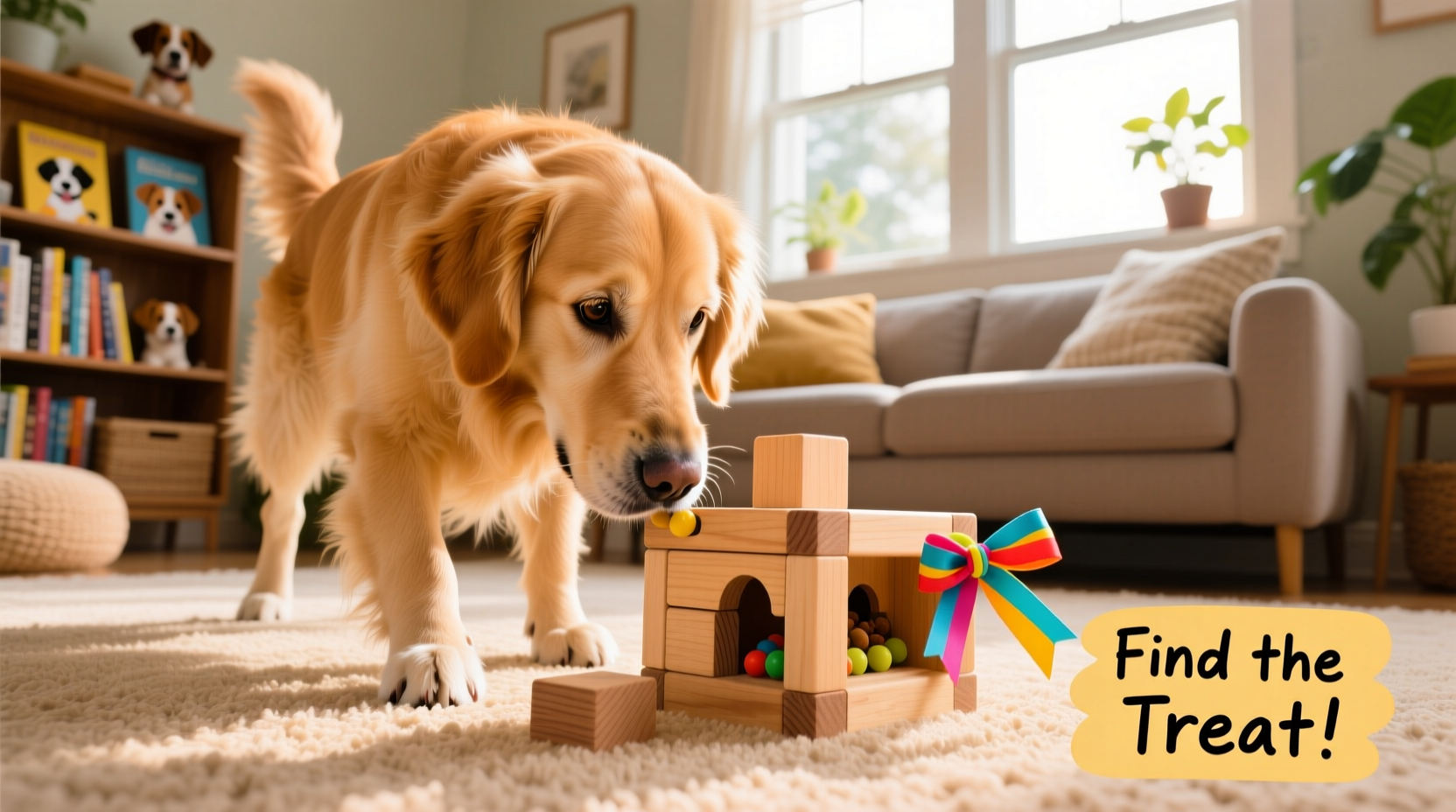
Physical activity keeps a dog’s body healthy, but mental exercise sustains their emotional balance. Dogs evolved as problem solvers—whether tracking scents, navigating terrain, or interpreting social cues. Without outlets for these instincts, they may develop anxiety, hyperactivity, or obsessive behaviors. Studies show that just 15 minutes of focused brain work can be as tiring as a 30-minute walk. Puzzle games, scent work, and learning new tricks engage different parts of the brain, reducing stress and increasing confidence. For breeds like Border Collies, Poodles, or Australian Shepherds, whose minds crave constant input, indoor enrichment isn’t optional—it’s a necessity.
Tip: Rotate toys and games weekly to maintain novelty and prevent habituation.DIY Scent Games to Tap Into Your Dog’s Natural Nose
Scent work is one of the most satisfying activities for dogs because it leverages their primary sense. You don’t need special equipment to start. Begin by hiding treats under upside-down cups or behind furniture while your dog watches. As they improve, increase difficulty by concealing items in harder-to-reach spots or using multiple layers of distraction. Introduce specific target odors later—like anise or lavender—by pairing them with rewards. This builds focus and precision over time.
To structure a simple scent game:
- Choose three identical containers (mugs or small bowls).
- Place a treat under one while your dog watches.
- Let them find it using only their nose.
- Gradually hide the container instead of showing where you place it.
- Eventually, use odor-only cues without food rewards to test recognition.
This kind of game builds patience and impulse control, especially in excitable dogs. It also provides calming effects—many owners report their dogs nap peacefully after a good sniffing session.
Innovative Puzzle and Food Dispensing Challenges
Puzzle toys transform mealtime into a workout. Instead of dumping kibble in a bowl, make your dog earn every bite. Start with beginner-level puzzles like the Kong Wobbler or Nina Ottosson’s Dog Tornado, then progress to multi-step devices requiring sliding panels, flipping lids, or rotating compartments.
For a no-cost alternative, build your own puzzle using household items:
- Roll kibble inside a towel and let your dog unravel it.
- Create a muffin tin game: place treats in some cups, cover all with tennis balls.
- Use cardboard boxes with flaps—hide treats beneath layers.
| Activity | Skill Developed | Time Required |
|---|---|---|
| Muffin Tin Game | Problem-solving, fine motor skills | 10–15 min |
| Towel Roll Feed | Patience, tactile exploration | 5–10 min |
| Cup Memory Game | Visual tracking, memory | 8–12 min |
| Indoor Agility Course | Coordination, obedience | 15–20 min |
The key is matching challenge level to your dog’s ability. Frustration leads to disengagement. If your dog walks away, simplify the task. Success breeds motivation.
“Mental fatigue is just as important as physical tiredness. A dog who’s been thinking hard is less likely to act out.” — Dr. Lisa Radosta, Veterinary Behaviorist
Teaching New Tricks and Commands for Cognitive Growth
Training isn’t just for puppies. Older dogs benefit immensely from continued learning, which supports neural plasticity and delays cognitive decline. Teach practical skills like “spin,” “play dead,” or “go to your mat,” or focus on precision in known commands like “stay” with increasing distractions.
A structured 10-minute daily training session yields visible results within weeks. Break lessons into micro-steps. For example, teaching “find it” involves:
- Saying “find it” while tossing a treat nearby.
- Gradually increasing distance and hiding complexity.
- Using verbal cues only—no pointing or eye contact.
- Generalizing to different rooms and surfaces.
Consistency matters more than duration. Short, positive sessions reinforce attentiveness and deepen communication between you and your dog.
Tip: Use high-value rewards (small bits of chicken or cheese) for new or difficult tasks.Mini Case Study: Rainy Week Rescue with Max, a High-Energy Terrier Mix
Max, a three-year-old Jack Russell Terrier mix, lived in a fourth-floor apartment with limited outdoor access during a week of heavy rain. His owner, Sarah, noticed increased chewing on baseboards and nighttime barking. She introduced a rotation of indoor activities: morning scent games, midday puzzle feeders, and evening trick training. Within two days, Max’s destructive behavior decreased. By day five, he was choosing to work on his Kong toy instead of pacing. After the storm passed, Sarah kept the routine for 20 minutes daily. “I didn’t realize how much he needed this,” she said. “He’s calmer, listens better, and seems genuinely happy.”
Build an Indoor Agility Circuit Using Household Items
You don’t need a backyard or expensive equipment to practice agility. Create a safe, low-impact course indoors using common objects:
- Use broomsticks supported by stacks of books as jump bars.
- Set up tunnels with large cardboard boxes or collapsible pet tents.
- Mark weave poles with water bottles spaced 18–24 inches apart.
- Designate a “pause table” using a sturdy ottoman or platform.
Start with one element at a time. Reward your dog for approaching, touching, or crossing each obstacle. Gradually chain actions together. Always prioritize safety—avoid slippery floors and ensure clear space around each station. Even shy or older dogs enjoy modified versions, such as stepping onto a mat or walking through a hoop held at chest height.
Checklist: Weekly Indoor Enrichment Plan
Ensure balanced stimulation with this weekly guide:
- ✅ 3x per week: Puzzle feeding or DIY food maze
- ✅ 2x per week: Scent detection game
- ✅ Daily: 10 minutes of trick training or command refinement
- ✅ 1x per week: Full indoor agility circuit or obstacle sequence
- ✅ Rotate toys every 5–7 days to maintain interest
- ✅ Observe behavior: Adjust difficulty if dog appears frustrated or disengaged
Frequently Asked Questions
How do I know if my dog is mentally stimulated enough?
Signs of adequate mental stimulation include calm resting after activity, reduced attention-seeking behaviors, and improved focus during training. If your dog settles easily after play or problem-solving, they’re likely getting enough cognitive input. Conversely, repetitive behaviors like tail chasing, shadow staring, or excessive licking suggest under-stimulation.
Can senior dogs benefit from these activities?
Absolutely. Older dogs may move slower, but their minds remain capable. Adapt activities to their mobility—use floor-level puzzles, shorter training sessions, and scent games that don’t require jumping. Cognitive exercises help delay symptoms of canine cognitive dysfunction, similar to dementia in humans.
What if my dog loses interest quickly?
Lack of interest often signals mismatched difficulty or lack of reward value. Simplify the task, use higher-value treats, or shorten the session. Some dogs prefer human interaction over toys—incorporate more hands-on games like hide-and-seek or interactive training. Observe what motivates your dog: food, praise, or toy rewards—and tailor accordingly.
Keep Their Mind Active, and You’ll See a Happier Companion
Indoor enrichment isn’t about filling time—it’s about honoring your dog’s intelligence and instinctual needs. Whether you live in a studio apartment or face a snowstorm that cancels walks, these creative activities offer meaningful engagement that goes beyond basic obedience. The best part? Most require minimal setup, little cost, and deliver outsized benefits in behavior and bonding. A mentally active dog is a fulfilled dog—one who feels secure, challenged, and deeply connected to you.
💬 What’s your dog’s favorite indoor game? Share your success stories or inventive setups in the comments—your idea might inspire another pet parent to try something new!








