
Cats are intelligent, curious creatures with strong instincts for hunting and problem-solving. When left unstimulated, they can become bored, anxious, or even develop destructive behaviors. One of the most effective ways to keep a cat mentally active is through interactive play—specifically, puzzle toys that challenge their cognitive abilities. While commercial options exist, nothing compares to a custom-built, multi-level puzzle toy designed specifically for your cat’s skill level and preferences. This guide walks you through creating a \"mega\" DIY cat puzzle toy that combines multiple challenges in one engaging structure.
Why Mental Stimulation Matters for Cats
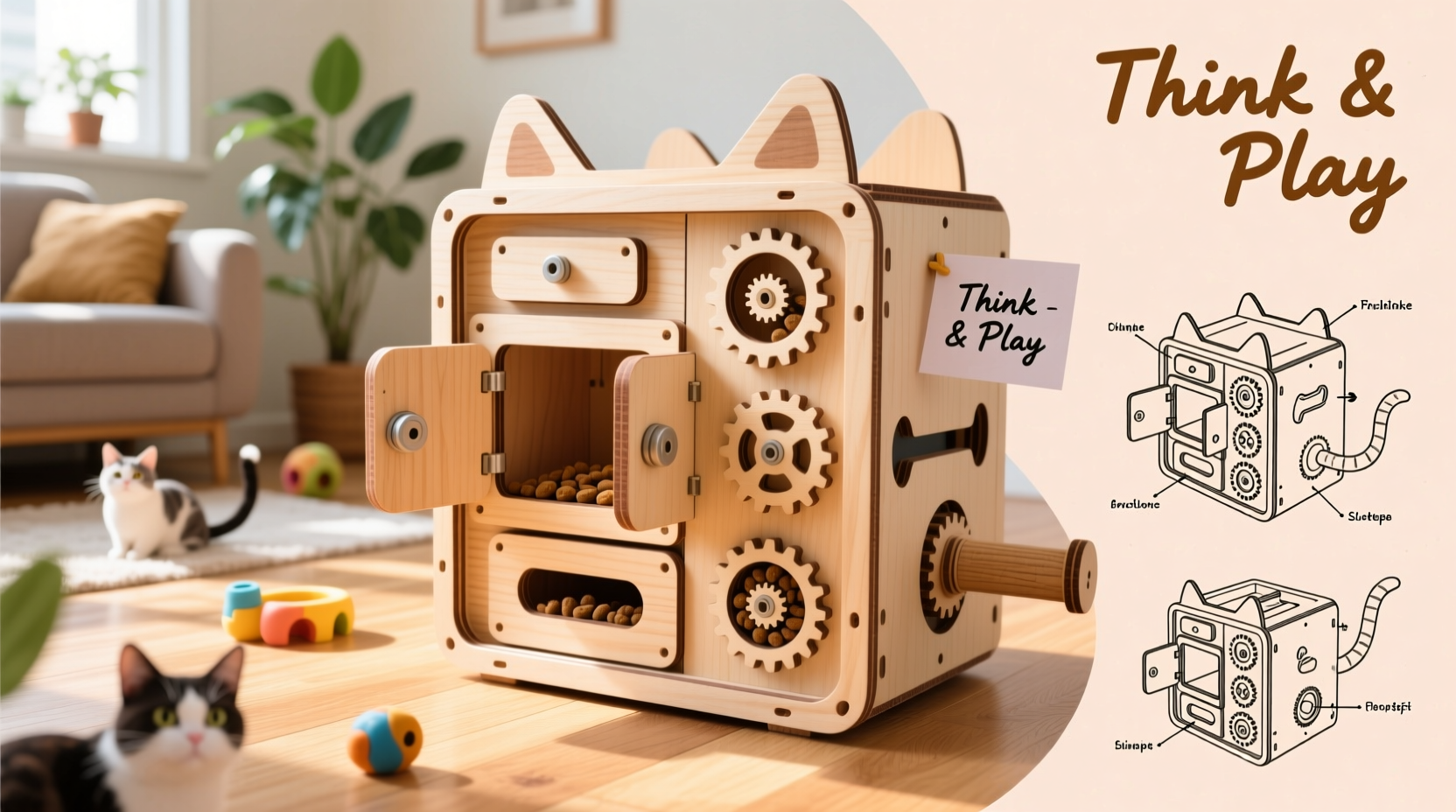
Domestic cats may live in safe, comfortable homes, but their brains are wired for survival. In the wild, felines spend hours stalking, chasing, and solving problems to obtain food. Modern feeding routines—where kibble appears in a bowl at predictable times—offer no such challenges. Without mental engagement, cats can suffer from what veterinarians call \"behavioral stagnation,\" leading to overgrooming, aggression, or excessive meowing.
Puzzle feeders reintroduce the hunt into mealtime. Studies show that cats using food puzzles exhibit reduced stress, improved digestion, and increased physical activity. According to Dr. Sarah Ellis, co-author of *The Trainable Cat*, “Food puzzles tap into a cat’s natural foraging behavior, providing enrichment that satisfies both physical and psychological needs.”
“Cognitive enrichment is just as important as physical exercise for cats. A stimulated mind leads to a calmer, happier pet.” — Dr. Mikel Delgado, Feline Behavior Scientist
Design Principles for a Mega Puzzle Toy
A \"mega\" puzzle toy isn’t just larger—it integrates multiple types of challenges into a cohesive system. The goal is to create a progression: start simple, then increase complexity so your cat learns and adapts over time. Key design elements include:
- Variety of mechanisms: Sliding drawers, rolling tubes, flip lids, and hidden compartments.
- Adjustable difficulty: Features that can be modified as your cat improves.
- Safe materials: Non-toxic, easy-to-clean components that won’t splinter or break easily.
- Portability and stability: Lightweight enough to move, but sturdy during use.
Step-by-Step: Building Your Mega Cat Puzzle Toy
This project uses common household items and basic tools. Total cost: under $20. Estimated build time: 2–3 hours.
- Gather Materials
- Wooden crate or plastic storage bin (approx. 12” x 12”)
- Cardboard tubes (paper towel or toilet paper rolls)
- Plastic bottles (cut and sanded smooth)
- Small wooden blocks or drawer pulls (for sliders)
- Non-toxic wood glue, sandpaper, duct tape (non-adhesive side out for safety)
- Treasure items: treat balls, ping pong balls, crinkle paper, kibble
- Prepare the Base Structure
Use the crate or bin as the main frame. Sand any rough edges. If using wood, seal with water-based, pet-safe varnish. Arrange sections inside by marking zones: Foraging Zone, Rolling Challenge, Slider Maze, and Hidden Cache.
- Create the Foraging Zone
Fill cardboard tubes with kibble and place them upright or on their sides. Partially cover openings so your cat must nudge or paw them open. Tape ends securely to prevent choking hazards.
- Build the Rolling Challenge
Cut plastic bottles in half lengthwise to form tunnels. Place treats inside and roll closed with duct tape (ensure no sticky side is exposed). Position so the cat must bat it around to release food.
- Design the Slider Maze
Attach small wooden blocks to bottle caps or flat lids. Glue these to the base as movable sliders. Hide treats underneath. Cats learn to swipe the block aside to access rewards.
- Add a Hidden Cache Compartment
Create a false bottom in one corner using a removable wooden panel. Slide it open manually at first, then encourage your cat to nose or paw it. Fill with high-value treats like freeze-dried chicken.
- Test and Refine
Introduce the toy without food first. Let your cat explore. Then load with treats and observe. Adjust difficulty: if too easy, cover more openings; if too hard, leave one fully accessible to build confidence.
Do’s and Don’ts of DIY Cat Puzzle Toys
| Do | Don't |
|---|---|
| Use non-toxic, washable materials | Leave loose strings or small detachable parts |
| Supervise initial use | Assume all cats will engage immediately |
| Rotate puzzle elements weekly | Use sticky adhesives that could be ingested |
| Incorporate your cat’s favorite treats | Make puzzles so difficult frustration sets in |
| Clean regularly to prevent bacteria buildup | Leave the toy out permanently—rotate to maintain novelty |
Real Example: Luna Learns the Mega Puzzle
Luna, a 3-year-old tabby living in Seattle, had developed a habit of waking her owner at 4 a.m. demanding food. Her routine was predictable: eat, nap, stare out the window, repeat. Her owner, Jen, built a mega puzzle toy following this guide. At first, Luna sniffed the structure cautiously. Jen placed a few treats in open tubes and praised her when she investigated. By day three, Luna was batting bottles and sliding blocks. Within two weeks, she spent 15–20 minutes each morning working through the entire sequence. The 4 a.m. wake-ups stopped. “It’s like she finally has a job,” Jen said. “She’s prouder, calmer, and actually naps after solving it.”
Tip: Pair puzzle time with a consistent daily routine—morning or pre-dinner works best.Customization Ideas for Advanced Cats
Once your cat masters the basics, keep them challenged with upgrades:
- Color-coded zones: Paint sections different colors (using pet-safe paint) and train your cat to find treats in a specific color via clicker training.
- Moving platforms: Attach a lazy Susan base so part of the puzzle spins, increasing difficulty.
- Scent trails: Rub catnip or silver vine on certain compartments to guide or distract.
- Time-release layers: Stack trays so treats only appear after earlier puzzles are solved.
The key is progression. A puzzle that stays the same becomes predictable. Rotate elements every few days to maintain curiosity.
Frequently Asked Questions
How do I know if my cat is interested in puzzle toys?
Most cats show interest in movement, sound, and scent. If your cat bats at dangling objects, digs in houseplants, or pounces on crumpled paper, they’re likely to enjoy a puzzle. Start simple—even a cup covering a treat can spark engagement.
Can kittens or senior cats use this toy?
Absolutely. For kittens, reduce complexity and focus on exploration. Use soft sounds and bright textures. For seniors, prioritize accessibility—avoid high reaches or tight spaces. Focus on smell and touch rather than agility.
What if my cat ignores the puzzle?
Patience is key. Try placing familiar treats in obvious spots. Sit nearby and interact with the toy yourself. Some cats need to see a human “solve” it first. Others prefer watching their owners before joining in. Avoid forcing interaction—let curiosity lead.
Final Checklist Before Launch
- All materials are clean and pet-safe
- No sharp edges or loose parts
- At least one easy-access treat zone for beginners
- Toy is stable and won’t tip when batted
- You’ve observed your cat’s body language for signs of stress or excitement
- Plan to rotate or modify the toy weekly
Conclusion: Enrichment Is an Act of Love
Creating a mega cat puzzle toy isn’t just a craft project—it’s a meaningful way to deepen your bond and support your cat’s well-being. Mental stimulation prevents boredom, strengthens instinctual behaviors, and can even improve sleep and appetite patterns. What starts as a box of recycled materials becomes a dynamic tool for lifelong enrichment.
Every cat is capable of learning, adapting, and enjoying challenges—if given the right opportunity. Build your puzzle, watch your cat engage, and celebrate the small victories: the first paw swipe, the moment of discovery, the proud grooming afterward. These are signs of a mind at work.
💬 Did you build your own mega puzzle toy? Share your design, tips, or your cat’s reaction in the comments. Inspire other cat lovers to enrich their pets’ lives—one puzzle at a time.








