Cats are naturally curious creatures, drawn to confined spaces, movement, and tactile stimulation. While store-bought cat toys have their place, nothing captures a cat’s attention quite like a cardboard box—especially one that’s been transformed into an interactive plaything. With minimal effort and zero cost, you can turn ordinary boxes into engaging entertainment zones that stimulate your cat’s instincts, encourage exercise, and reduce boredom-related behaviors.
The best part? You don’t need crafting skills or specialty tools. All it takes is a few clean boxes, some basic household items, and a little imagination. These DIY toys not only provide mental and physical enrichment but also strengthen the bond between you and your feline companion by showing thoughtful engagement with their needs.
Why Boxes Are Naturally Appealing to Cats
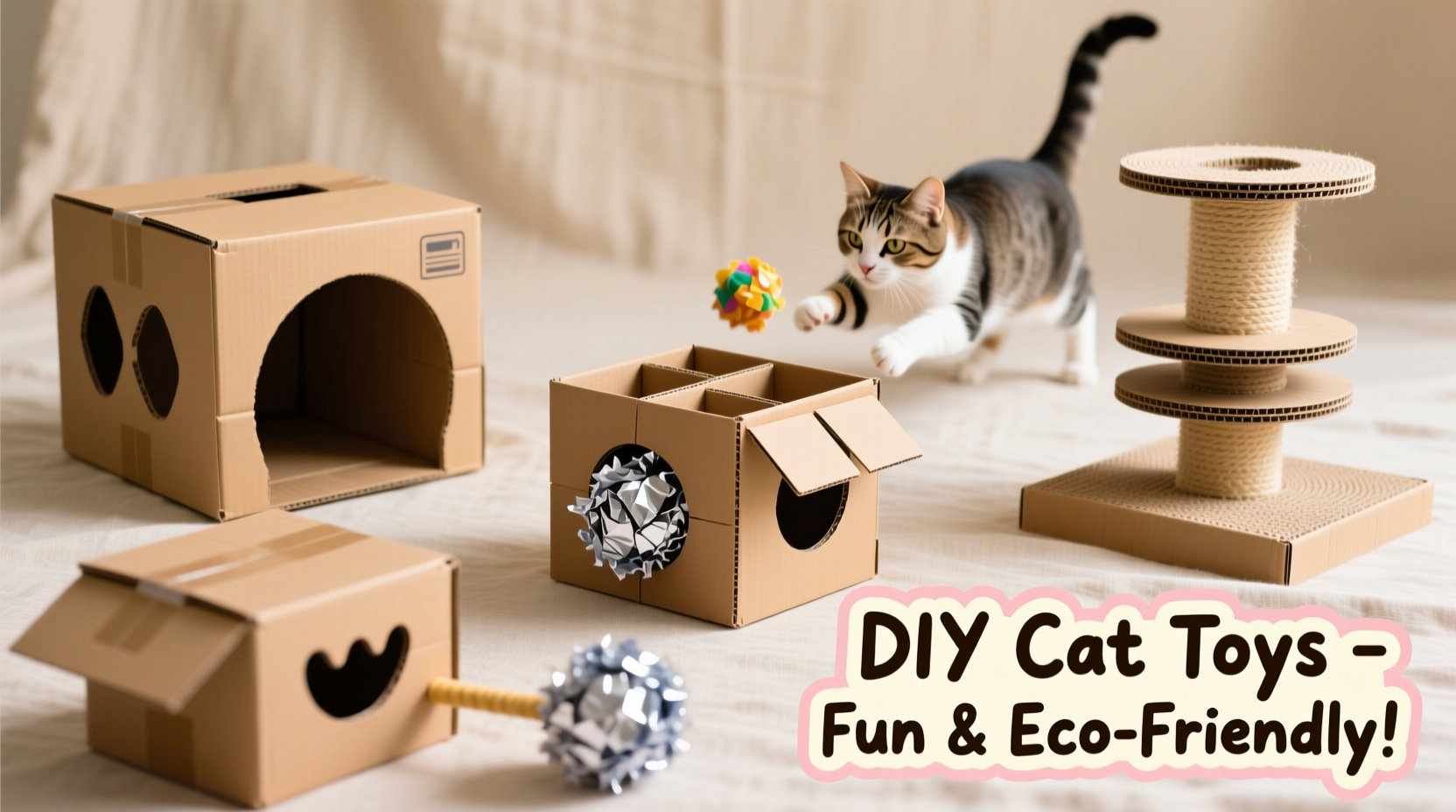
Cats are ambush predators by instinct. In the wild, they seek sheltered spots where they can observe their surroundings while remaining hidden. Cardboard boxes mimic this ideal environment—offering security, warmth, and concealment. Studies have shown that access to enclosed spaces reduces stress in cats, especially in unfamiliar environments.
Additionally, the texture of cardboard provides a satisfying surface for scratching, and the crinkly sound when pawed at can mimic prey movement. When you enhance a box with tunnels, holes, or moving parts, you tap directly into your cat’s predatory drive, encouraging pouncing, batting, and exploration.
“Enrichment doesn’t have to be expensive. A well-designed box toy can offer hours of mental stimulation and physical activity.” — Dr. Lydia Chan, Feline Behavior Specialist
Step-by-Step Guide: Turning Boxes Into Cat Entertainment Zones
Creating stimulating toys from boxes follows a simple process. The key is variety: combine hiding spots, movement, and surprise elements to keep your cat engaged over time. Below is a practical timeline for building three different types of box-based toys.
1. The Multi-Entry Hideout (15 minutes)
- Select a medium-sized shipping box with a lid.
- Use scissors or a utility knife to cut entry holes on multiple sides—vary the sizes and shapes (circular, oval, slit-like).
- Leave one side fully open for easy access during initial use.
- Place soft fabric or a small blanket inside for comfort.
- Optional: attach dangling ribbons or strips of fleece through small slits in the top for batting practice.
2. The Treat-Dispensing Maze (20 minutes)
- Gather several small to medium boxes (like cereal or shoeboxes).
- Arrange them in a staggered line or zigzag pattern inside a larger open box.
- Cut connecting openings between each compartment so your cat must weave through.
- Place kibble or treats in some chambers, leaving others empty to create mystery.
- Top with a loose lid full of peek-a-boo holes so your cat has to reach in or nudge flaps to retrieve food.
3. The Crinkle Tunnel Express (10 minutes)
- Take two or more same-size boxes and remove both ends to create tunnels.
- Link them together with packing tape or twine, bending slightly for curve appeal.
- Line the interior with crinkled parchment paper or aluminum foil for auditory feedback.
- Place feather-on-a-stick toys near the exit to entice emergence.
- Add a sprinkle of catnip at one end to draw initial interest.
Enhancement Ideas: Simple Add-Ons That Make a Big Difference
You can dramatically increase play value without spending a cent. Common household items often become the most captivating features.
- Bottle Caps on Strings: Thread unused plastic caps onto yarn and suspend them inside a box. The clinking noise intrigues cats.
- Paper Balls: Wadded-up sheets of scrap paper rolled inside a box act as movable obstacles.
- Peekaboo Windows: Cut viewing holes and cover them with tissue paper. Cats enjoy swatting through the fragile barrier.
- Rotating Rollers: Slide empty toilet paper rolls across the base of a shallow box. Cats love to knock them around.
- Scent Swaps: Refresh old toys by adding dried silver vine or valerian root instead of catnip.
Do’s and Don’ts of Box Toy Safety
| Do | Don't |
|---|---|
| Use clean, chemical-free boxes (no grease stains or labels with adhesives) | Use tape with strong glue that could stick to fur or be ingested |
| Supervise first interactions with new toys | Leave loose strings unattended (risk of entanglement) |
| Reinforce weak joints with masking tape (safer than duct tape) | Use staples, nails, or sharp edges that could scratch or injure |
| Replace toys once heavily chewed or structurally unsound | Assume all cats react the same—introduce gradually based on personality |
Mini Case Study: How One Shelter Transformed Playtime With Boxes
A community cat shelter in Portland, Oregon, faced challenges with limited enrichment resources. Staff began collecting clean delivery boxes and creating rotating “toy stations” for resident cats. Each week, volunteers redesigned a central play area using interconnected boxes, treat mazes, and hanging elements made from recycled materials.
Within a month, staff observed significant behavioral improvements: less pacing, reduced aggression, and increased adoption rates. One shy tabby named Miso, previously hiding in corners, began confidently exploring and even playing with visitors after engaging daily with a multi-chamber box setup. The program was so successful it became part of their standard enrichment protocol.
Checklist: Building Your First Cat Box Toy System
Follow this concise checklist to ensure your creation is fun, safe, and effective:
- ☐ Choose a sturdy, clean cardboard box (remove all stickers and tape residues)
- ☐ Plan entry and exit points for airflow and escape routes
- ☐ Use non-toxic materials only (masking tape, water-based glue, plain paper)
- ☐ Avoid small detachable parts that could be swallowed
- ☐ Test stability—ensure the structure won’t collapse during play
- ☐ Introduce slowly—place the toy nearby before encouraging interaction
- ☐ Monitor initial use to assess interest and safety
- ☐ Refresh weekly with new configurations or scents
Frequently Asked Questions
Can I use colored ink or printed boxes?
Yes, modern printing inks are generally soy-based and low-toxicity, but avoid heavily dyed or wax-coated boxes. If in doubt, line the interior with plain newsprint or parchment paper.
How long do box toys last?
Most last 2–4 weeks depending on chewing habits. Replace when walls become thin, floors collapse, or edges splinter. Rotating multiple designs extends overall usability.
My cat ignores the toy. What should I do?
Cats often take time to approach new objects. Try placing treats inside, rubbing the toy with catnip, or playing near it with a wand toy to spark curiosity. Some cats prefer watching from a distance before interacting.
Conclusion: Turn Waste Into Wonder
Transforming discarded boxes into dynamic cat toys isn’t just economical—it’s a form of mindful pet parenting. Every cut, fold, and addition reflects attention to your cat’s natural instincts and emotional well-being. These simple creations foster play, reduce stress, and turn everyday waste into sources of joy.
🚀 Start today: Save your next delivery box and build a mini adventure zone. Share your design online and inspire other cat lovers to get creative!








